A smartwatch, dumbbell set, recovery device, or running shoe earns its place only when it makes exercise easier to repeat. Product rankings that focus on functionality should begin with the training you already do, not a sensor or campaign.
This guide considers Garmin, Fitbit, Bowflex, Theragun, and Nike through everyday training needs: comfort, setup, storage, upkeep, and the time you have for movement.
Start With the Habit You Want to Support
Before browsing, describe a normal week: where you train, what gets skipped, and what tends to interrupt a session.
A product can be well made yet wrong for someone who dislikes charging, needs quiet workouts, or has limited floor space.
Find a repeatable routine first, then choose the smallest useful tool that removes one obstacle instead of creating another project.
Decide Whether You Need Data, Equipment, Recovery, or Comfort
Some people want a record of pace and routes; others need a way to lift at home, ease ordinary muscle tightness, or walk without foot discomfort. Those are separate jobs.
Ask what you will do differently after using the item, rather than assuming more data or a higher price will create motivation.
This keeps real training goals ahead of feature shopping and avoids paying for tools that sit unused.
Check Your Space Before Ordering Home Gear
Home exercise often fails for ordinary reasons: the bench will not fit, the machine is too loud, or equipment cannot be stored safely afterward. Measure the floor area, doorway, ceiling height, and storage corner before buying weights or cardio gear.
If you share the space, consider work hours, sleeping children, and traffic through the room. Those checks turn space planning into a safety habit, not a delivery-day surprise.
Wearables Should Match How You Read Feedback
A tracker can support consistency, but a complicated dashboard can also distract from movement. Decide whether you want simple activity and sleep trends, structured running guidance, navigation, or a little of each.
Then check battery life, band comfort, phone compatibility, and what features operate in your country. The right wearable should offer information without making daily numbers feel like a verdict.
Garmin Can Suit Training That Happens Outdoors
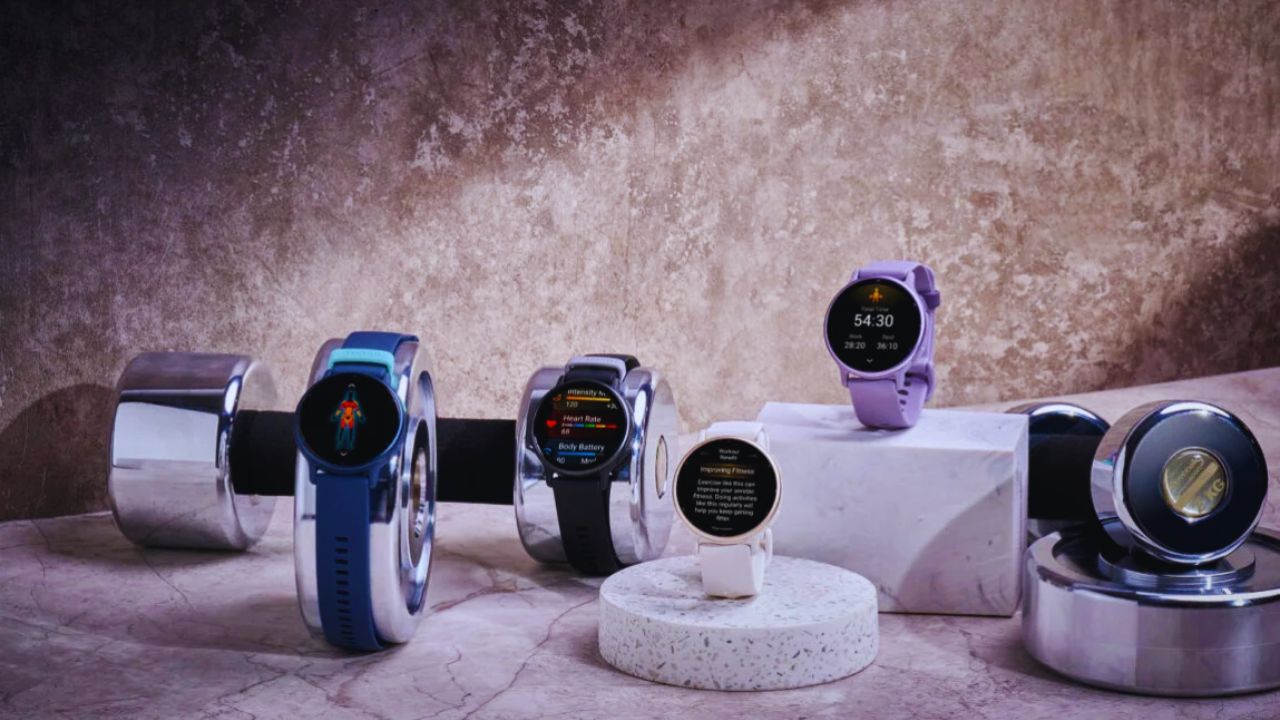
Garmin is worth examining when outdoor training such as running, cycling, hiking, swimming, or multisport sessions appears often in your week.
Its range includes simpler GPS running watches as well as sport-focused models with deeper training and recovery features. A beginner may need a readable pace screen, while an experienced runner may use navigation or structured sessions.
Start with training relevance, then assess screen size, comfort, battery expectations, and the data you will actually revisit.
Fitbit May Fit a Lighter Daily Check-In
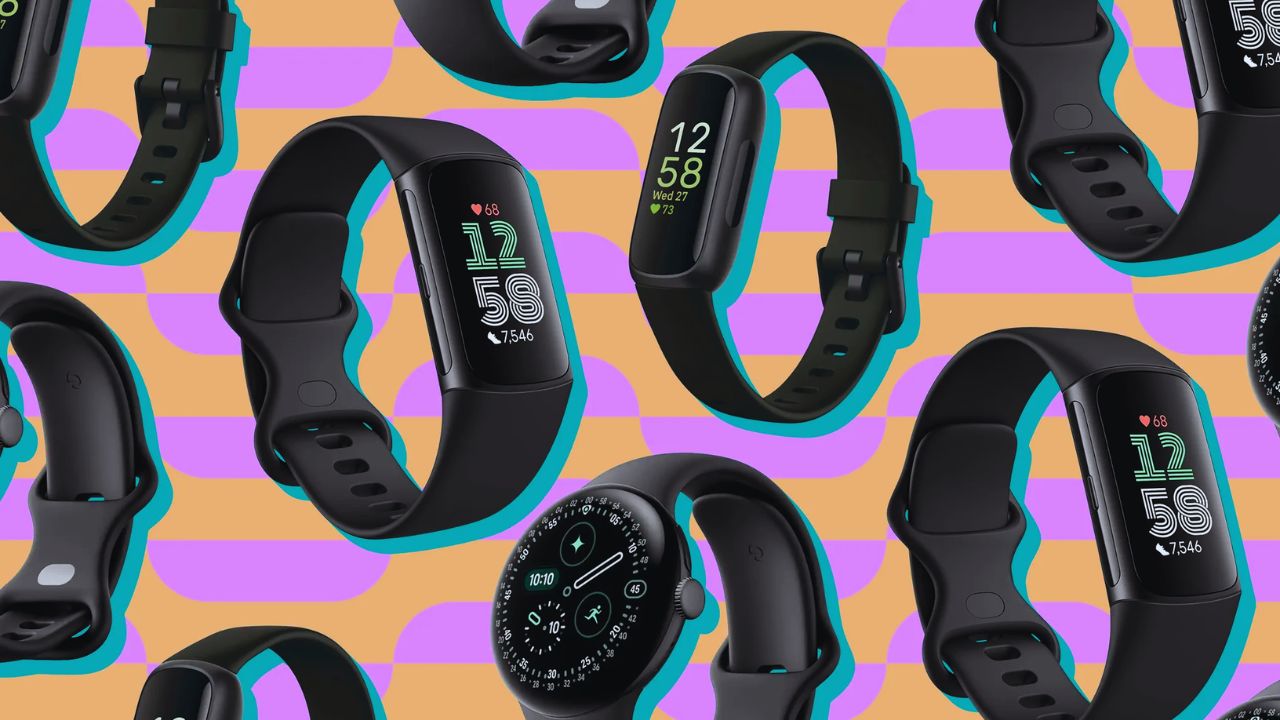
Fitbit may suit people who want activity and sleep trends without a technical sports watch. It can be useful when the goal is noticing movement and rest habits, not analysing every workout.
Check which functions require a compatible phone, account, or subscription locally. Its value lies in easy check-ins, while consistent wear matters more than collecting every possible score.
Home Strength and Recovery Need Realistic Boundaries
Equipment can remove a barrier to training, but it does not replace gradual progress, rest, or professional help when pain needs assessment.
Think about what will fit your room, what you can set up safely, and how often you will use it without a class or gym schedule. The best home option makes repeat sessions more achievable while respecting your current capacity and budget.
Bowflex Can Reduce the Amount of Equipment You Store
Bowflex offers adjustable dumbbells, benches, cardio products, and home-gym equipment for people who cannot leave a full rack of weights in one room.
Adjustable weights can replace several separate pairs, but check the maximum load, increment size, handle feel, stand, and reset mechanism. A broad range is less useful when its lowest jump is too heavy for a smaller exercise.
Link progressive loading to real home use by reviewing your intended movements and the surface beneath you.
Also Read: Best Products Ranked for Practical Scenarios
Theragun Is a Recovery Tool, Not a Shortcut
Theragun devices may appeal when percussion therapy feels easier than reaching tired muscles by hand after a workout. They are not a replacement for rest, medical assessment, or a careful return after injury.
Check attachment use, handle reach, noise, charging, and whether short sessions genuinely fit your week. Read the guidance and stop if discomfort increases.
Put body awareness before device enthusiasm, especially when pain, pregnancy, circulation concerns, or health conditions are involved.
Footwear and Clothing Should Solve a Physical Problem
Fitness clothing and shoes can improve movement comfort, but they cannot compensate for a routine that is too intense or footwear that does not fit.
Think about heat, rain, laundry, terrain, foot shape, pocket needs, and the activity you repeat. A shoe for running is not automatically right for lifting, and a fashionable trainer may not suit long walks. Prioritise fit and activity match before branding, colour, or athlete associations.
Nike Is Most Useful When You Know the Activity
Nike shoes, layers, and training resources can suit walking, running, gym work, or general movement, depending on fit and use. Try footwear where possible, or check return terms before ordering online; a brief indoor test can show rubbing, instability, or a toe box that feels wrong.
Choose apparel for one need, such as weather, chafing, secure pockets, or laundry frequency. This keeps gear spending connected to practical comfort, rather than creating a new identity that stays in a drawer.
Use a Short Check Before Buying
Keep a shortlist of two or three options, not a cart full of equipment. Use this final check to confirm that the purchase decision fits your real schedule:
- Will you use it at least twice most weeks?
- Does it fit your space, phone, body, and budget?
- Are charging, cleaning, storage, and replacement costs manageable?
Let Consistency Decide What Has Value
The most functional fitness product is often the one that asks least from you after a tiring day. Begin with an activity you already enjoy, choose gear that removes one obstacle, and test it within the return period before adding anything else.
Notice whether it makes the next session easier to begin. When purchases support steady practice and respect personal limits, they can help a routine last beyond a brief burst of motivation.