
A simple purchase should remove a recurring hassle, not add a manual, subscription, or drawer of unused accessories. Best products ranked for simple needs are not universal winners; they fit a room, routine, and budget.
This guide compares IKEA, Muji, and Xiaomi through real household routines, not promises that one brand suits everyone. It suits people wanting fewer ordinary decisions.
Define the Job Before You Browse
“Simple” can mean less setup, less visual clutter, fewer pieces to store, or one item that does a small job reliably. Before opening a product page, name a weekly inconvenience: loose cables, a dim desk, a crowded bedside table, or notes lost between bags.
That gives you a specific starting point and guards against wish-list shopping. The useful item fixes a known problem without creating a new routine.
Give Every Item a Clear Place in the Room
A side table, storage box, cart, or lamp needs a job before it takes floor or shelf space. Ask where it will live, what it will hold, and whether you will use it after the room is tidy.
A compact table may serve a sofa or bed, but not every heavy appliance or rough move. This protects usable space and keeps temporary purchases from becoming clutter.
Make Sure “Easy” Does Not Hide Extra Work
A product can look simple until it needs special refills, an app, regular charging, or careful cleaning. Read instructions before paying, especially for water, electricity, moving parts, or shared access.
Look at what happens after delivery, not only at unboxing. This creates realistic expectations and avoids small frustrations that make a good-looking purchase unnecessary.
IKEA Is Most Useful When the Room Needs a System
IKEA may be a practical starting point when furniture, storage, and lighting must work together in a compact home. Its range can match shelves, carts, boxes, and tables, but assembly and measurements still matter.
Review the exact item, materials, return terms, and local stock, not a styled room image. Value comes from a coordinated setup that fits your actual layout.
Start Small With a LACK Table or RÅSKOG Cart
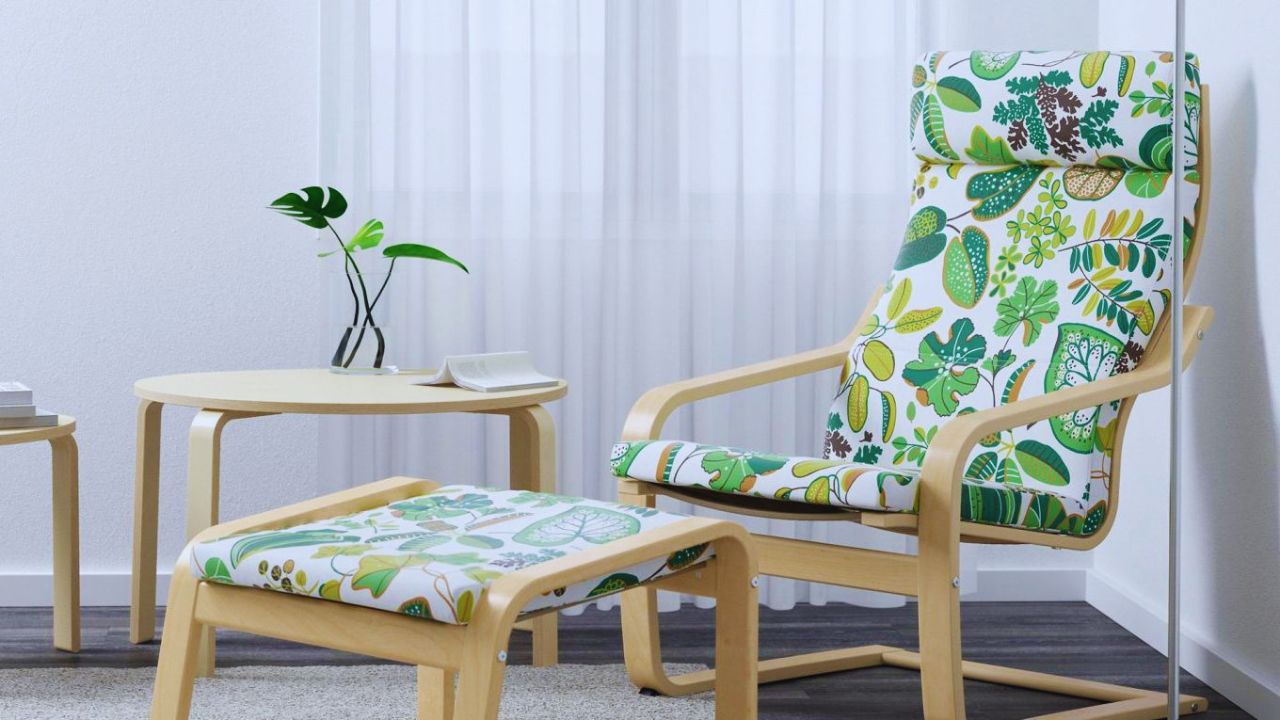
An IKEA LACK side table can work as a bedside surface, printer stand, or small table when dimensions fit. A RÅSKOG utility cart may suit chargers, art supplies, pantry items, or bathroom products because it moves between tasks.
Neither item organizes itself, and both become dumping grounds when their purpose is unclear. Give them one repeatable function and leave enough walking space around them.
Avoid Treating Modular Storage as an Instant Solution
Shelving, boxes, and inserts can make a small home feel calmer, but only after you decide what belongs in each section. Buying containers before sorting possessions often creates prettier places for unused things.
Start with one shelf, drawer, or cart and name its job. This supports visible order and makes weekly resets easier during busy weeks.
Muji Can Suit People Who Prefer Visual Quiet
Muji often suits shoppers who want plain storage, stationery, textiles, and home goods that do not compete for attention. The minimalist look can suit a desk area, wardrobe, or bathroom, but it does not create order by itself.
Choose pieces for one category, then leave room to see inside. This supports calmer surroundings and prevents overfilled storage from hiding essentials.
Use Polypropylene Drawers for Things You Reach for Often
Muji polypropylene drawers can be practical for stationery, cables, skincare, documents, or craft supplies when their size and opening direction suit the space. Measure shelf depth and check whether drawers open fully without hitting a wall or chair.
Put one category in each unit; do not mix unrelated items. That makes daily access simpler and reduces searching time when you need something.
Treat Pens and Diffusers as Personal Preferences
Muji gel pens may suit planners and note-takers, while an aroma diffuser may appeal to someone who likes a short evening ritual. Neither is essential for every home.
Pens depend on the paper and grip you prefer, while diffusers need water, cleaning, oils, and safe placement. See them as small comforts with real upkeep, not solutions for stress, sleep, or air quality.
Xiaomi Can Help When Technology Replaces a Repeated Step
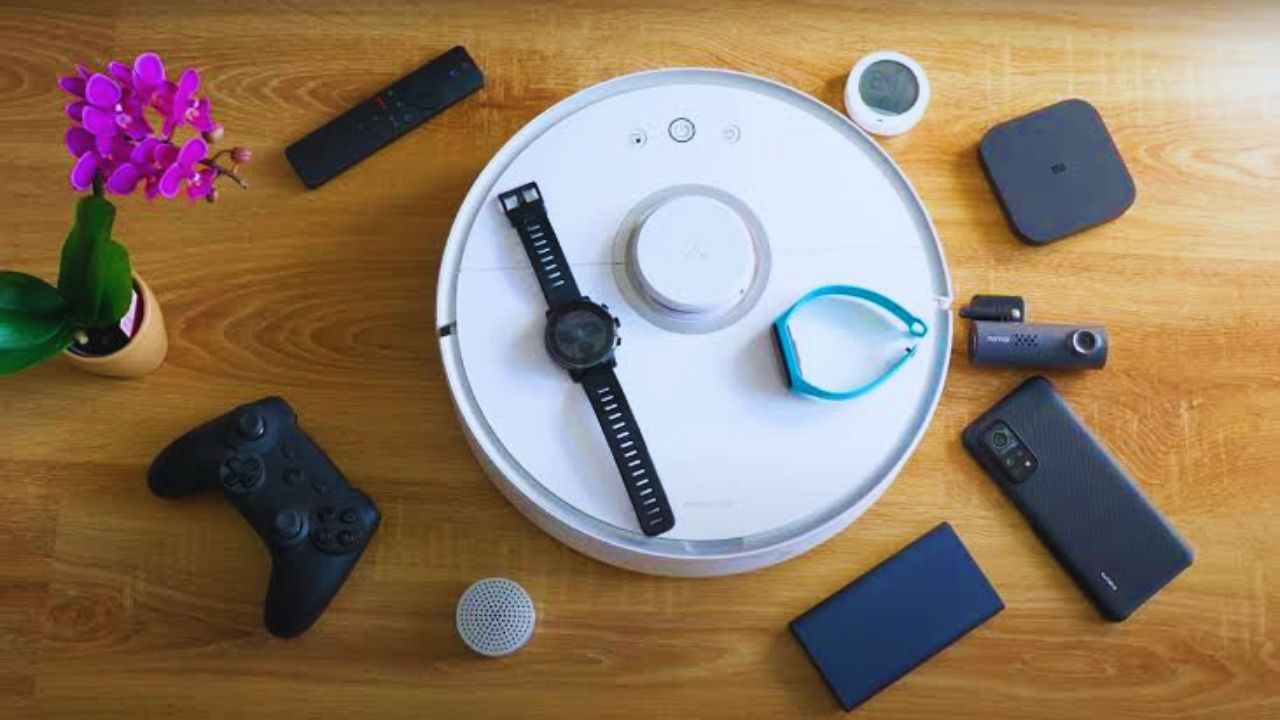
Xiaomi offers bands, lamps, cameras, and connected devices that may suit people wanting simple technology outside premium ecosystems. Fit depends on the exact model, local availability, app compatibility, accounts, and updates.
Ask whether you will use the main function without opening an app all day. That separates useful convenience from setup fatigue and stops gadgets from multiplying.
A Smart Band Works Best as a Quick Prompt
A Xiaomi Smart Band can offer a glanceable clock, alarms, reminders, activity trends, and basic sleep information in a lighter format than a full smartwatch.
It may suit someone wanting fewer notifications or a cue to move during desk sessions. Treat readings as general information, not medical advice or proof of health change. Switch off unused alerts to protect battery life and attention.
A Desk Lamp Should Improve the Work Surface
A Xiaomi desk lamp may help with reading, writing, or keyboard work when its height, angle, brightness, and controls suit the desk. It cannot correct screen glare, poor posture, or a cramped workstation.
Check the plug type, cable length, available socket, and whether it works without a phone. These details affect visual comfort and safe placement more than finish alone.
Also Read: Product Rankings That Focus on Functionality
Use a Short Check Before Ordering
Keep the final choice tied to the home and routine you already have. A simple check prevents a useful-looking product from becoming another object that needs storing, returning, or explaining. It should test your available space and your normal schedule:
- Measure the shelf, doorway, desk, socket, and storage area.
- Confirm materials, care rules, assembly, and return conditions.
- Count accessories, refills, batteries, and app requirements.
Build a Routine, Not a Collection
The best simple products are easy to clean, move, refill, and store. Start with one repeated annoyance, choose one item that addresses it, and live with the result before adding more.
Keep receipts and assembly notes during the first weeks, when returns or exchanges are easier to solve. When purchases serve ordinary daily life and respect honest limits, they create steadier value than trendy solutions and forgotten impulse buys that consume space and attention.