A kitchen appliance should help with meals you already cook, not ones imagined after a shopping spree. Best products ranked for practical scenarios start with ordinary dinners, packed lunches, quick breakfasts, and cleanup.
This guide considers multi-cookers, prep tools, countertop heat, and coffee machines through daily kitchen habits. It is for people who want less friction and fewer unused gadgets.
Begin With Your Last Seven Dinners
Before comparing brands, replay what you cooked recently. Notice where time disappears: waiting by a pot, chopping vegetables, reheating unevenly, washing pans, or making food in shifts.
That record reveals a real bottleneck, not a vague wish for “better equipment.” It also stops a purchase becoming a weekend-only gadget that solves nothing.
Find the Task That Creates the Most Work
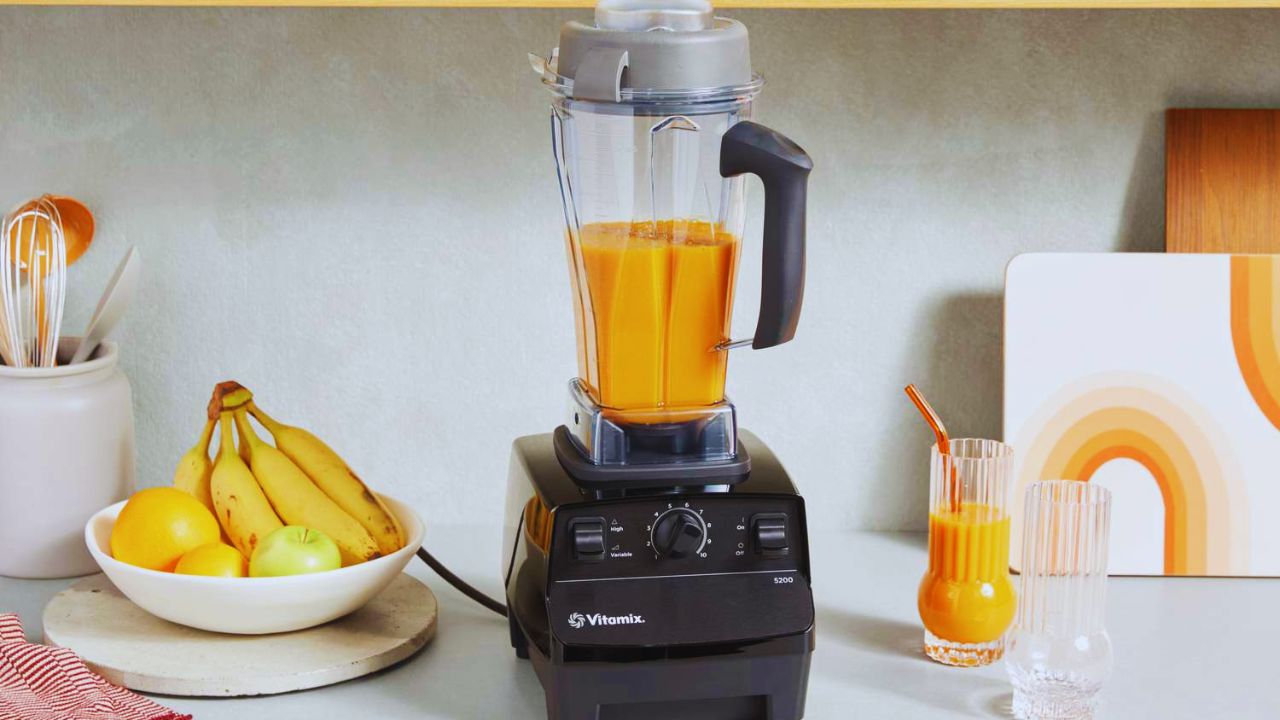
A multi-cooker may help with regular beans, rice, soups, or batch meals; a blender may fit daily sauces, smoothies, or pureed soups. Do not buy both because they appear in one recipe video.
Name the step that feels slow, messy, or tiring. That turns a general frustration into a specific cooking job you can compare.
Separate Daily Cooking From Occasional Ambition
It is easy to picture baking, meal prepping, and roasting every week after a new machine arrives. Look at meals you make when tired, busy, or feeding several people.
A simple appliance used three times weekly is often better value than a complicated model used twice yearly. Keeping ordinary meals at the centre limits aspirational shopping and makes storage decisions easier.
Multi-Cookers Work Best When They Replace a Real Step
A multi-cooker may be useful when it replaces regular work from a pot, rice cooker, slow cooker, or crowded burner. It can suit batch cooks, shared homes, or small kitchens, but steam release, lid height, and inner-pot cleaning still need space.
Consider the meals you repeat and the maintenance you will tolerate. Many settings do not guarantee less kitchen work or a simpler routine.
Instant Pot Can Fit Batch Meals and Limited Burners
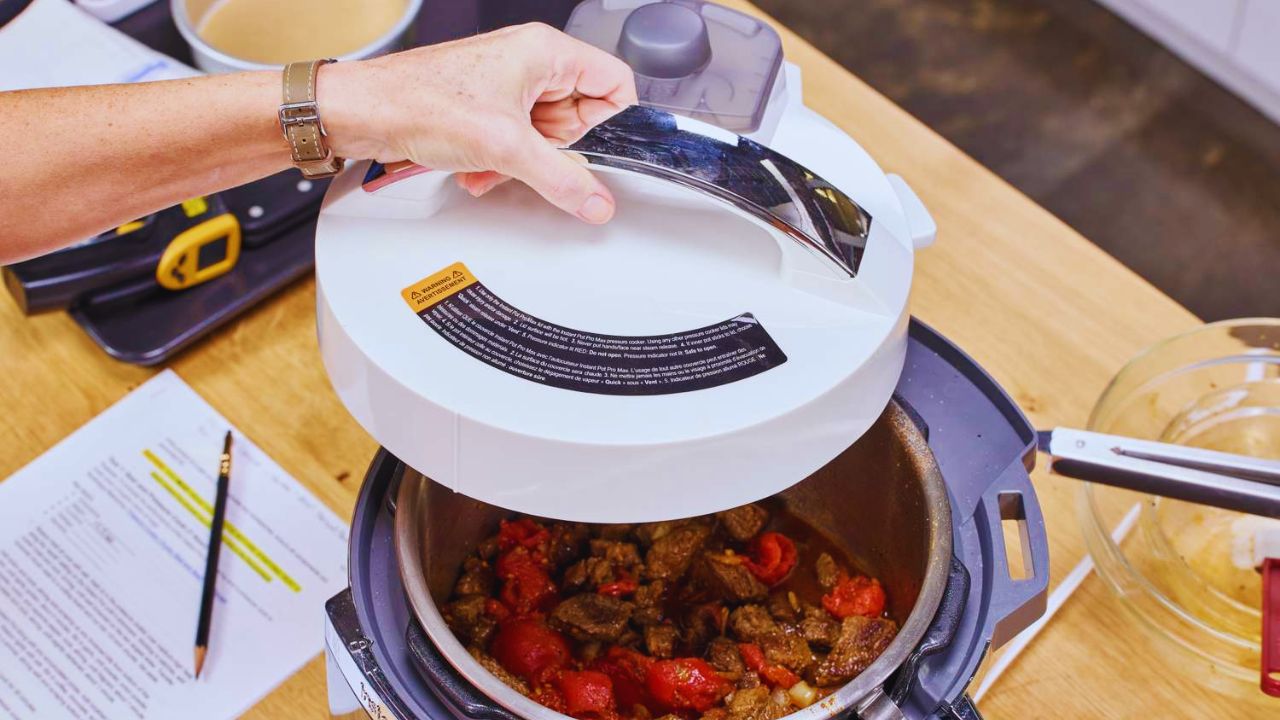
Instant Pot is worth examining if you regularly cook soups, grains, beans, and make-ahead dinners. Its multi-cooker range can reduce the number of separate pans, but capacity should match normal portions instead of one holiday meal.
Check where the lid opens, how the sealing ring is cleaned, and whether the inner pot feels manageable when full. The useful match is between your meal volume and your available storage.
Ninja Can Suit Homes That Want Crisping Often
Ninja can make sense when air-fried vegetables, reheated leftovers with texture, or compact roasted meals appear in your routine. A combination appliance may reduce oven use for small portions, but baskets and lids can take more space than expected.
Measure the counter, cupboard, and ventilation area first. Consider after-meal cleaning alongside crisping convenience, especially when oil or sticky sauces are involved.
Prep Tools Need to Match Ingredients and Cleanup
Blenders and food processors both save time, but they solve different parts of a meal. A blender suits liquids, smoothies, purees, and soups, while a processor may speed up chopping, slicing, grating, or dough.
Start with the texture and quantity you usually need. That protects ingredient control and avoids duplicate functions competing for the same cupboard.
A Blender Is Not a Processor With Fewer Parts
A blender can handle frozen fruit and smooth sauces, yet it may be poor at small dry quantities or chopping without turning food into paste. A processor can speed up vegetables, but it may feel excessive for one onion or a snack.
Check jar shape, blade access, minimum capacity, and dishwasher rules. Those daily usability details matter long after a power rating has stopped sounding impressive.
Storage and Cleaning Often Matter More Than Motor Power
A tall blender may not fit beneath cabinets, while a processor with several discs may be difficult to store neatly. Consider the route from shelf to counter, how much washing each part needs, and whether pieces dry without trapping moisture.
A smaller model may suit one or two people better than a larger unit with unused capacity. The best option respects counter space and keeps cleanup resistance low.
Countertop Heat and Coffee Need a Clear Place
Countertop ovens, air fryers, and coffee machines can make routines smoother, but they also demand outlets, cleaning, and storage. Their value depends on portion size, heat-up time, ventilation, and what happens during your busiest hour.
A small oven may help with toast and leftovers; a coffee machine may help with a weekday ritual. Match serving habits to the appliance footprint before bringing one home.
Use Small Heat for Small Meals, Not Every Dinner
A toaster oven or air fryer can work well for one or two servings, frozen foods, vegetables, and reheating. It is less useful when you regularly cook several trays, tall dishes, or meals for a larger household.
Check interior dimensions and basket size against cookware you already own. This prevents awkward pan sizes and keeps weekday heating from becoming a cramped compromise.
Coffee Machines Should Match Morning Pace
A hands-on espresso machine may suit someone who enjoys grinding, timing, and steaming milk, while a one-touch model can fit a household that needs coffee before work or school.
Check the cleaning steps, water tank, milk system, grinder noise, and service options before choosing. More control is useful only when you want to use it. Put morning pressure beside daily effort rather than buying according to café-style claims.
Also Read: Product Rankings Based on User Experience
Use a Short Final Check Before Ordering
Keep the shortlist to two or three appliances that solve the same main problem. Compare the exact model, included parts, return terms, dimensions, and replacement costs, then use this check to protect your actual routine and the space you have:
- Measure the counter, cabinet height, outlet, and storage route.
- Review cleaning steps, dishwasher rules, and part availability.
- Match capacity to normal servings, not rare gatherings.
Let Your Week Decide What Is Worth Keeping
The most practical appliance rarely has the longest list. It is the tool you can reach, use, clean, and store after a tiring day. Begin with the meal that frustrates you most and compare only products that address it.
When a purchase supports ordinary cooking and respects real limits, it can reduce work instead of becoming another promise on your counter.