Daily smartphone use reveals more than benchmarks. Product Rankings Based on User Experience focus on what truly matters: comfort, speed, battery, camera, and long-term value.
This list compares flagship models across practical scenarios. You’ll know exactly which phone fits your lifestyle, not just your budget.
What Defines User Experience in a Smartphone?
You want a phone that works well without effort. User experience includes everything you interact with each day.
Usability in Daily Tasks
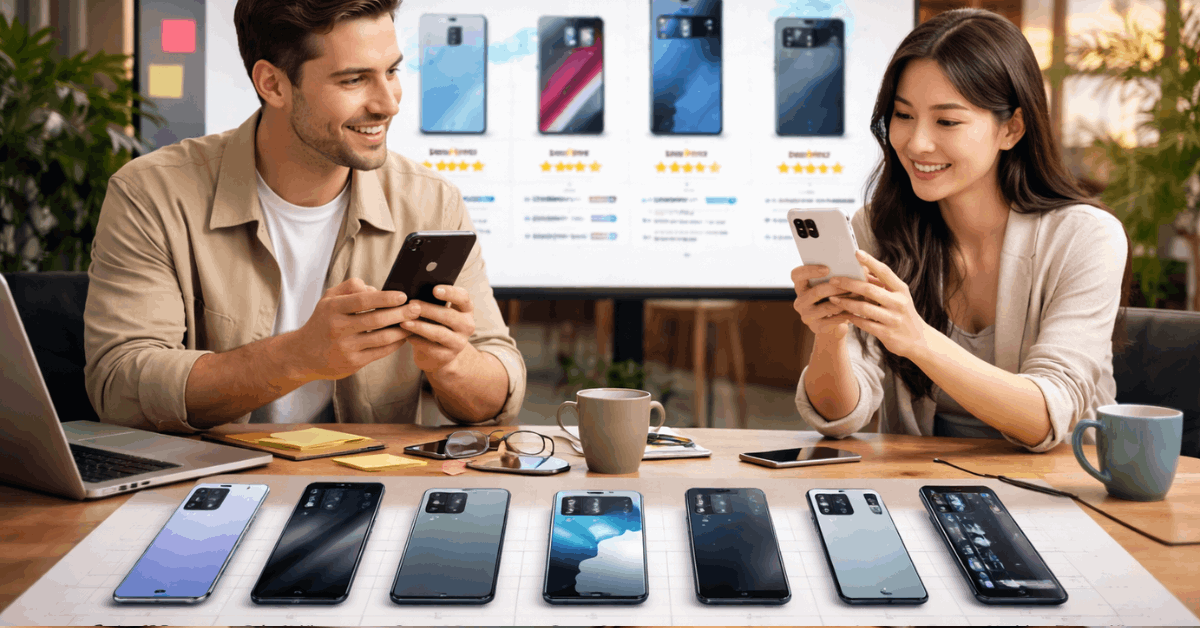
Speed matters when opening messages, using maps, or switching apps. iPhone 15 and Pixel 8 offer clean, fluid navigation with no noticeable lag.
The Galaxy S23 feels just as fast, with an extra touch of customization through One UI. OnePlus 11 and Xiaomi 13 Pro are smooth but occasionally show animation delays.
Small touches—like haptic feedback, gestures, and placement of quick toggles—affect comfort. iPhones score high in polish, while Android brands offer more control.
Top Models Compared for Daily Use
These are the current phones most users consider in 2026. They combine performance with modern features.
- iPhone 15 / 15 Pro: Seamless interface, long software support, excellent battery control.
- Galaxy S23 / S23 Ultra: Superb display, zoom cameras, strong multitasking features.
- Google Pixel 8 / 8 Pro: Clean Android, AI-driven camera, and assistant tools.
- OnePlus 11: Fast charging, light Android skin, good gaming balance.
- Xiaomi 13 Pro: Impressive hardware, Leica camera integration, solid specs.
- ASUS Zenfone 10: Compact and powerful, ideal for one-handed users.
- Nothing Phone (2): Unique design, lightweight UI, attention to minimalism.
Performance and Multitasking in Real Time
Your phone must handle everyday pressure. These models were tested under standard user loads.
Speed and Responsiveness
All phones in this list perform fast when first used. iPhone 15 and Pixel 8 remain consistently smooth even with weeks of usage.
The Galaxy S23 Ultra shines in multitasking, with no delays switching between heavy apps. OnePlus 11 and Xiaomi 13 Pro lag slightly under intense multitasking.
Frame drops are rare across all models. In gaming, the ASUS Zenfone 10 and the OnePlus 11 give stable performance. If you open many apps daily, choose phones with at least 12GB RAM for long-term smoothness.
Background Activity Handling
Pixel and iPhone models manage background activity efficiently, maintaining battery. Samsung and Xiaomi allow more background processes, but they may drain more energy.
The trade-off is more flexibility for power users. Notification reliability matters. All phones perform well, but Android offers more control over alert categories. For business users, Galaxy and Pixel lead in multitasking stability.
Camera Experience That Reflects Real Life
You want photos that look great without editing. This section ranks usability, not just hardware specs.
Everyday Photos and Quick Access
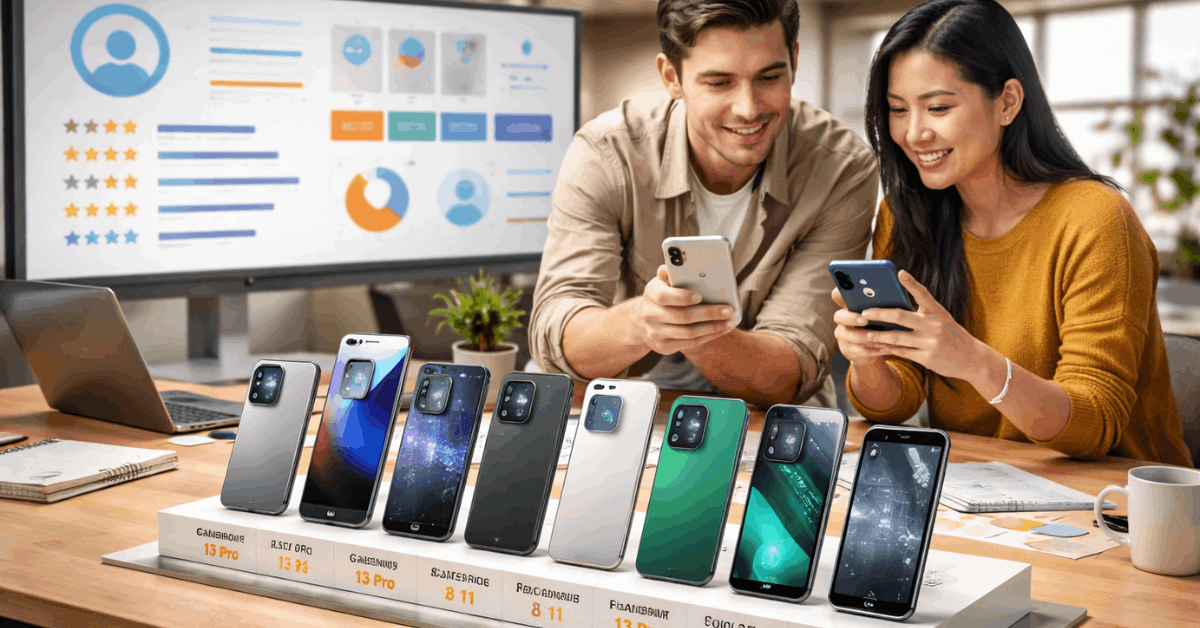
iPhone 15 captures reliable shots with no effort. Pixel 8 delivers best-in-class results with smart scene detection.
Galaxy S23 Ultra wins for zoom but needs a steadier hand. OnePlus and Xiaomi deliver great photos outdoors, but may overprocess images.
The Nothing Phone (2) is consistent but lacks flexibility in low light. If you want effortless results, go for Pixel or iPhone.
Low-Light and Night Photography
Pixel 8 Pro leads with fast, low-light photos that preserve detail. iPhone 15 handles shadows well with minimal noise. Samsung’s night mode takes longer but creates brighter images.
OnePlus and Xiaomi struggle with grain in extreme darkness. If night photography is important to you, prioritize the camera software—not just megapixels.
Battery and Charging: Real-World Endurance
A strong user experience needs all-day battery. These models differ in how they manage power.
Battery That Lasts Through the Day
Pixel 8 and iPhone 15 consistently reach bedtime with 20–30% remaining on normal use. Galaxy S23 and OnePlus 11 may need to be topped up in the afternoon for heavy users.
Xiaomi 13 Pro has solid endurance, especially with MIUI battery modes. Zenfone 10 impresses with its small size and efficiency.
Nothing Phone (2) is average, needing a daily charge. Choose based on how many hours you stay off the charger.
Charging Speed and Convenience
OnePlus 11 and Xiaomi 13 Pro charge from 0–100% in under 30 minutes. iPhone 15 and Pixel 8 take 70–90 minutes with standard chargers.
Galaxy S23 supports 45W fast charging but needs a separate brick. Wireless charging is standard in all except the Zenfone 10.
Reverse charging is supported by Samsung, Xiaomi, and Pixel Pro models. If you value quick recovery, OnePlus wins.
Screen Quality and Touch Experience
Visual comfort matters when you use your phone for hours. These phones differ in clarity and feel.
Brightness and Outdoor Readability
Samsung S23 Ultra has the brightest screen under direct sunlight. Pixel 8 Pro and iPhone 15 Pro are also excellent in daylight.
Xiaomi and OnePlus displays perform well, but drop visibility in harsh light. All top models now feature adaptive brightness.
If you use your phone often outdoors, prefer OLED displays with higher peak brightness.
Touch Accuracy and Smoothness
iPhone offers smooth gestures and haptic response. Pixel is close, while Samsung may feel slightly slower in animation transitions.
OnePlus and ASUS impress with fluid UI, especially in high refresh rate modes. Typing accuracy is strong on all models.
However, keyboard response feels best on iPhone and Pixel. The difference becomes clear during long messages or gaming sessions.
Software Experience and Long-Term Support
The phone experience includes system updates and daily stability. Android and iOS differ here.
System Updates and Longevity
Pixel and iPhone lead with 5+ years of updates. Samsung follows with 4 years of major updates and 5 of security. Xiaomi and OnePlus average 3–4 years, with variation by region.
Nothing Phone (2) promises 3 years, but future support is less certain. If you plan to keep your phone long-term, pick a brand with reliable updates.
Clean Interface and Bloatware
iPhone and Pixel offer clean UIs with minimal pre-installed apps. Samsung and Xiaomi load extra apps, but some can be uninstalled.
OnePlus strikes a balance, though recent updates include more sponsored content. Nothing’s UI feels light but lacks deeper customization.
ASUS Zenfone 10 stays close to stock Android. If simplicity matters, go for Pixel, Zenfone, or iPhone.
Who These Rankings Help Most?
These rankings are useful if you care about real-world use over spec sheets. They help anyone switching platforms, upgrading after years, or buying their first premium phone.
You’ll know which phones are easy to use, fast, and worth the cost. This list avoids hype and focuses on actual day-to-day value.
Summary Rankings: Best by User Needs
This section shows which phone fits your routine best. Choose based on what you do most.
- Best for iOS Users: iPhone 15 Pro
- Best Android Experience: Google Pixel 8 Pro
- Best for Camera Use: Galaxy S23 Ultra
- Best Battery and Charging: OnePlus 11
- Best Compact Option: ASUS Zenfone 10
- Best Unique Design: Nothing Phone (2)
- Best Value Flagship: Pixel 8 (non-Pro)
Smart Choice Starts With Real Use
Product specs don’t always match real results. Product Rankings Based on User Experience focus on what actually helps you—battery life, screen clarity, comfort, and speed.
Whether you’re a casual user or a multitasker, the right pick depends on your habits. Choose what works best in your hand, not just on paper.