A cleaning tool earns its place when it handles the messes you face without becoming another chore afterward. Product rankings based on everyday performance should look beyond dramatic suction claims and polished demos.
This guide compares familiar brands through daily cleaning habits, including pet hair, crumbs, muddy entryways, storage, noise, and upkeep. It does not crown a universal winner; it helps you match a machine with the work waiting at home.
Start With the Cleaning Job, Not the Brand Name
Before comparing logos, think through a normal week. Do you collect crumbs after meals, vacuum rugs, remove pet hair, manage spills, or keep floors presentable between deeper cleans?
That pattern identifies the main cleaning task and the right tool category faster than a generic ranking. It can also stop you paying for automation, attachments, or power that will rarely be used.
Quick Pickups Need a Tool You Can Reach Easily
A cordless vacuum often suits small, frequent messes because it can be lifted from a dock, used on stairs, and returned quickly. That convenience fades when the bin fills too fast or the battery cannot finish your usual areas.
Check the pickup routine and the real runtime at the power level you expect to use. A lightweight machine is useful only when it does not leave you halfway through a room.
Whole-Home Cleaning Requires More Than Strong Suction
Homes with carpets, multiple rooms, or shedding pets may need a larger bin, longer cord, replaceable brush roll, or second battery. A powerful vacuum can still be tiring if it is awkward on stairs or difficult around furniture.
Consider the floor mix and the cleaning route you repeat most often. It becomes easier to see whether a cordless, upright, wet-dry cleaner, or robot is the sensible starting point.
Read Brand Strengths as Starting Points
Brand names can organize research, but no company makes one machine for every home. Use them to understand the cleaning approach available, then inspect the exact model, warranty, tools, and local repair options.
The useful comparison is between your household demands and the machine limits, not marketing slogans. A familiar name should simplify research, not decide for you.
Dyson Can Suit Frequent Cordless Cleaning
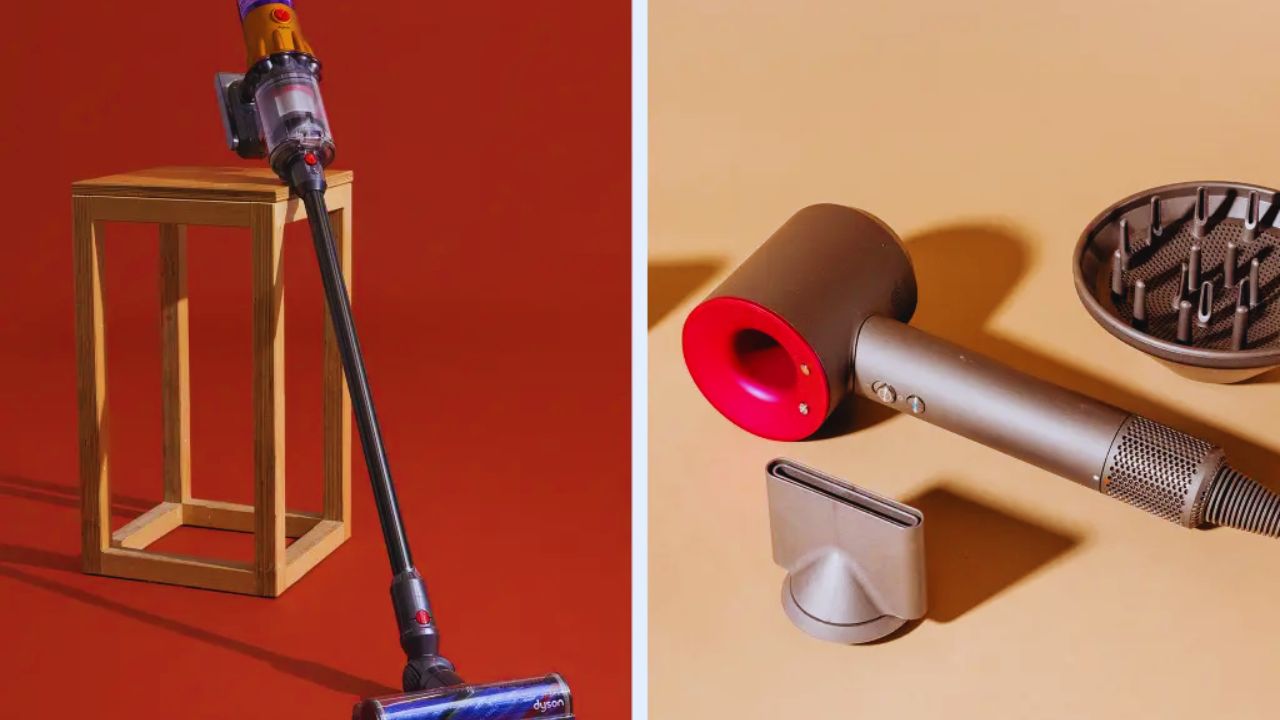
Dyson is worth considering when you want cordless cleaning for regular pickups, stairs, upholstery, or a smaller home. Its range includes cordless, corded, robot, wet-and-dry, and other floorcare products, so capacity and features vary.
Compare bin size, charging setup, attachments, and filter care. Ask whether the cordless convenience justifies the higher upfront cost for your routine.
Shark Often Works for Mixed Floors and Practical Attachments
Shark can be useful for homes needing an upright, bagless, or Lift-Away-style vacuum across carpets and hard floors. Its options may appeal if you want familiar controls, a larger dust container, and tools for stairs or furniture.
Still, check weight, storage height, cord management, and brush-roll cleaning. Those details shape weekly comfort and ongoing maintenance more than a headline suction claim.
iRobot Fits Scheduled Maintenance, Not Every Mess
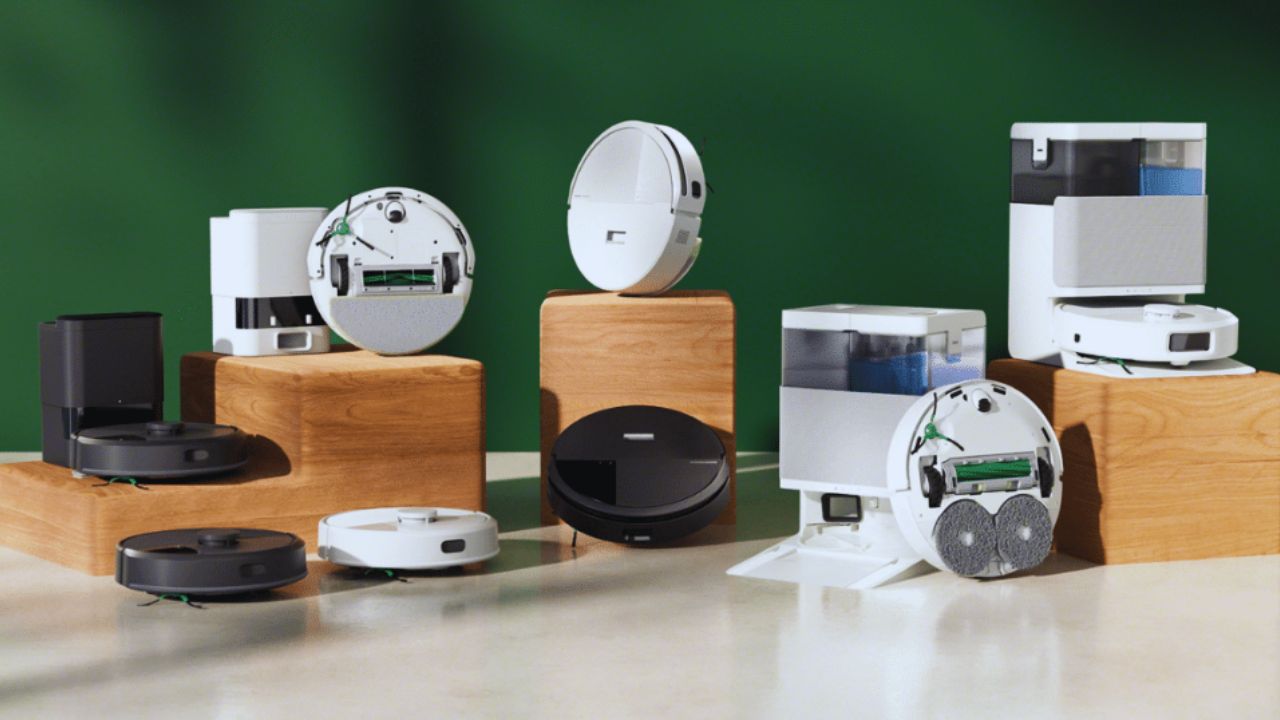
iRobot Roomba models can help keep dust, crumbs, and pet hair under control between manual cleans. They suit homes with predictable floor plans, clear pathways, and time for brush, bin, dock, and map maintenance.
A robot cannot replace every task, especially edges, stairs, heavy debris, or sticky spills. Treat it as background upkeep with layout limits, not a completely hands-free cleaner.
Bissell Can Be Practical for Wet Messes and Pet Areas
Bissell is worth examining when muddy paw prints, small spills, carpets, upholstery, or sealed hard floors cause the most work.
CrossWave-style wet-dry machines can reduce steps on compatible floors, while pet-focused models may include purpose-built tools.
Cleaning solution, tanks, brush rolls, and drying still need attention. Check the surface rules and the after-use cleanup before assuming a wet-dry tool will save effort everywhere.
Count the Work That Begins After Cleaning
Judge a machine by what it asks from you after the dirt is gone. Emptying bins, washing filters, detangling hair, charging batteries, refilling solution, and finding storage can decide whether you use it.
Include maintenance time and replacement costs when comparing prices. A strong day-one product can become a poor fit when routine care clashes with your schedule.
Also Read: Best Products Ranked for Beginners
Filters, Brush Rolls, and Tanks Need a Realistic Plan
Check how often filters need washing or replacement, whether brush rolls collect hair, and where wet components can dry. A self-emptying dock may reduce bin trips but add bags, dock space, and noise.
Wet cleaners need tanks emptied promptly to avoid lingering smells. These are repeat chores that shape long-term satisfaction. Read manuals and owner feedback before treating a convenience feature as a time saver.
Storage and Noise Can Change the Decision
Measure the closet, charging spot, or corner where the machine will live. A tall upright may not fit under shelving, while a robot needs clear dock space.
Think about when cleaning happens, too: a loud model may not suit sleeping children, remote meetings, or thin apartment walls. Matching the storage reality with the household schedule makes daily use less frustrating.
Build a Small Comparison Before You Buy
The final shortlist does not need ten machines. Pick two or three options that solve the same main problem, then compare ownership details.
Keep a note on expected use and acceptable trade-offs instead of chasing every feature. This protects your time and makes a sale price easier to judge honestly.
Keep the Final Check Short and Specific
Before paying, confirm the model number, tools, return terms, warranty coverage, and cost of common parts. Use this check to compare ownership instead of box claims.
It keeps the purchase decision tied to everyday needs:
- Floor type, pet hair, spills, and room layout.
- Storage space, noise tolerance, and cleaning frequency.
- Filter, brush, bag, battery, or solution costs.
Choose the Tool You Will Actually Keep Using
The right cleaning tool is one you can reach, run, empty, and store without turning a ten-minute job into a project. Start with your most common mess, test the limits that matter, and accept the trade-off you can live with.
When you buy for ordinary routines instead of perfect demos, you have a better chance of lasting usefulness.
That is a more honest measure of everyday performance than a universal ranking for your household right now.