A blender earns its place when it suits the meals, storage, and cleanup habits. A product comparison based on user needs begins with your weekly routine, not a universal “best blender” label.
This guide helps smoothie drinkers, batch cooks, and occasional users weigh practical features before buying. It also points out the limits that can turn an attractive machine into an unused appliance.
Begin With What You Blend in an Ordinary Week
Think about the last three things you blended, rather than recipes you rarely make. Frozen fruit, sauces, pancake batter, soups, crushed ice, and nut butter put different demands on a machine.
That answer reveals the right blender type more clearly than labels such as “premium” or “professional.” It also shows whether a personal cup, full-size jug, or extra attachment will fit your normal portions.
Daily Smoothie Drinkers Usually Need Speed and Easy Cleanup
For weekday smoothies, check how the blender handles the ingredients you use before work: frozen fruit, ice, greens, oats, or protein powder. A travel cup and simple controls may matter more than a long list of presets when breakfast is rushed.
Look at whether ingredients collect under the lid or remain near the blades. For this routine, cup shape and quick cleanup can matter more than extra accessories.
Batch Cooks Need Capacity Without an Awkward Jar
People making sauces, dips, soups, or several servings at once often need a stable base and enough control to stop at the right texture. A large container is not helpful when it is too tall for a cabinet, heavy when full, or difficult to wash.
Match capacity to the portions you actually prepare, not the biggest number on the box. Before blending hot food, check the model’s heat rules and lid guidance.
Compare the Features That Affect Daily Use
Wattage catches attention because it is easy to compare, but it does not explain every result. Blade arrangement, jar shape, cooling, and the amount inside the container also affect performance.
Use power as a starting clue, then ask how the exact model handles your toughest regular ingredients. This creates a fairer shortlist than choosing the largest number on a product page.
Match the Motor to Your Hardest Regular Ingredient
Soft fruit, milk, and thin dressings do not need the same effort as frozen bananas, dates, nuts, seeds, or fibrous vegetables.
A casual cook may be fine with a simpler machine for drinks and sauces, while thick daily smoothies can need steadier blending strength.
Be realistic about what will test the motor most often. Using a light-duty unit for heavy mixtures can cause early wear and uneven texture.
Do Not Ignore the Jar, Seal, and Blade Assembly
A strong base is less useful when the container leaks, stains, cracks, or is hard to store. Check jar material, lid seal, blade access, pouring shape, and whether replacement cups or lids are sold later.
A tall jug may clash with upper cabinets, while a personal cup can be too small for family recipes. These details shape everyday comfort and long-term maintenance more than a display panel.
Include the Friction That Decides Whether You Will Use It
A blender that is loud at the wrong time, difficult to reach, or annoying to wash may remain in a cupboard. Measure storage height and counter clearance, especially if the jar stays assembled.
Consider when you blend: early-morning noise can matter in a shared apartment more than it does in a detached home. Good comparisons include kitchen limits and time pressure, not only recipes and motor claims.
Choose a Setup That Works on Busy Mornings
A parent making breakfast while a child sleeps may prefer a compact setup or a model that can be cleaned quickly. A student in a small rental may want one cup and a lighter base instead of a large system with several pieces.
Think about the minutes between blending and rinsing, especially with sticky ingredients that dry around lids. The right choice is one you use regularly, not one reserved for weekend projects.
Also Read: Comparison Guide for Smarter Choices
Pause for Three Practical Checks Before Ordering
A short check can prevent a machine that looks good online from failing in your kitchen. Keep it tied to the space, servings, and ingredients you use, so the comparison protects your available space and routine needs:
- Measure cabinet clearance, counter depth, and jar width.
- Match the cup or jug to your usual servings.
- Read rules for heat, ice, nuts, and dishwasher cleaning.
Use Brand Websites to Verify the Exact Model
Brand names can help you check dimensions, included parts, manuals, warranty wording, and current availability, but they should not decide the purchase.
Start with the official main websites of Vitamix and Ninja, then compare the models you can actually buy where you live. The goal is matching specific details to your routine, not assuming a brand gives the same fit everywhere.
Vitamix May Appeal to Frequent, Full-Size Use
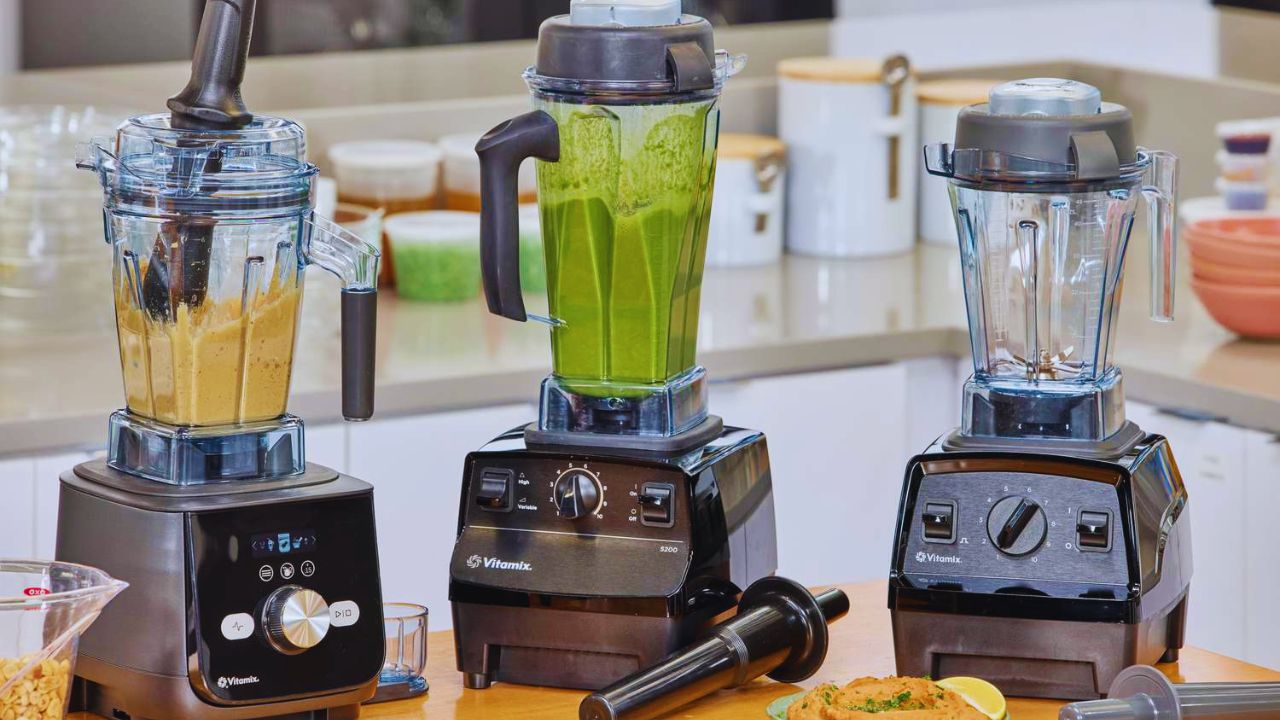
Vitamix is worth examining when you expect frequent use, make thicker blends, or want a full-size jar for sauces and soups. It may be less sensible for someone who only blends soft fruit once a week or lacks counter space.
Compare height, controls, cleaning method, price, warranty terms, and local availability before deciding. Its value depends on recipe demands and regular use, not reputation alone.
Ninja May Fit People Comparing Cups, Pitchers, or Systems
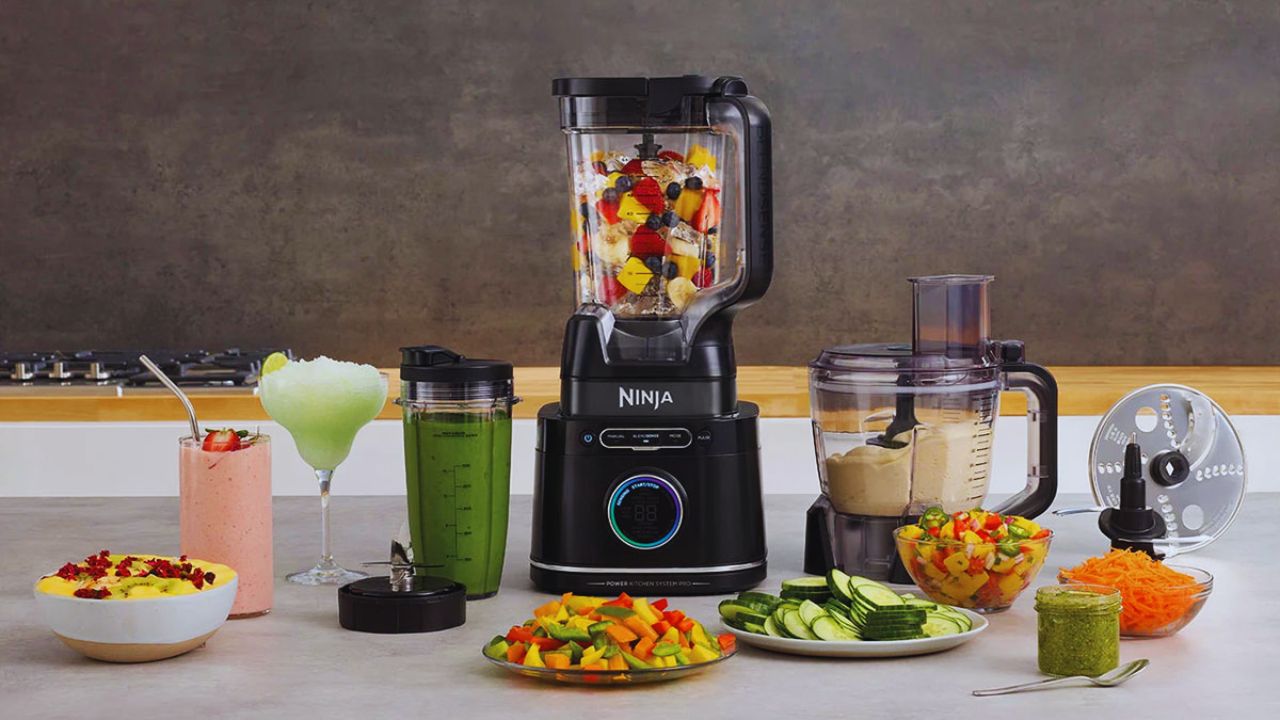
Ninja can be useful when you want to compare personal cups, pitcher blenders, or multi-piece systems for different serving sizes. Check the exact bundle, because containers, blades, and accessories can vary between models and retailers.
Presets may suit some users, while others would rather wash fewer parts and use a simple dial. Focus on included pieces and cleanup effort, because both affect weekday use and later costs.
Choose for Weekday Reality, Not the Unboxing Moment
The best blender is not the one that wins a universal ranking. It handles common ingredients, fits your storage, and feels manageable on a tired evening.
Before checkout, compare the exact model’s dimensions, care rules, included parts, warranty, and the cost of any likely replacement cup, lid, or seal.
Matching daily habits with honest limits makes it less likely that you will pay for untouched features or replace a machine that never suited your kitchen.