A cleaning product can look convenient until it creates extra steps after the visible mess is gone. This guide compares common formats by daily effort: setup, cleanup, storage, and work left for later.
It suits renters and busy households seeking a simpler system. The point is not a universal winner, but a routine you can repeat.
Start With the Work Before and After Cleaning
Ease includes more than cleaning power. It includes how you begin, what you touch, and the rinsing, laundering, refilling, or storing that follows. A minute saved can still leave another chore tomorrow.
Dishwashing Liquid Fits Small Batches and Immediate Cleanup
Hand washing is usually easier when only a few dishes need attention and a full load is impractical. A dishwashing liquid lets you control the amount for one pan or cup.
You still scrub, rinse, and manage the sink, so too much soap can add time. This format suits people cleaning as they cook. In crowded households, it can become constant hands-on work instead of a reset.
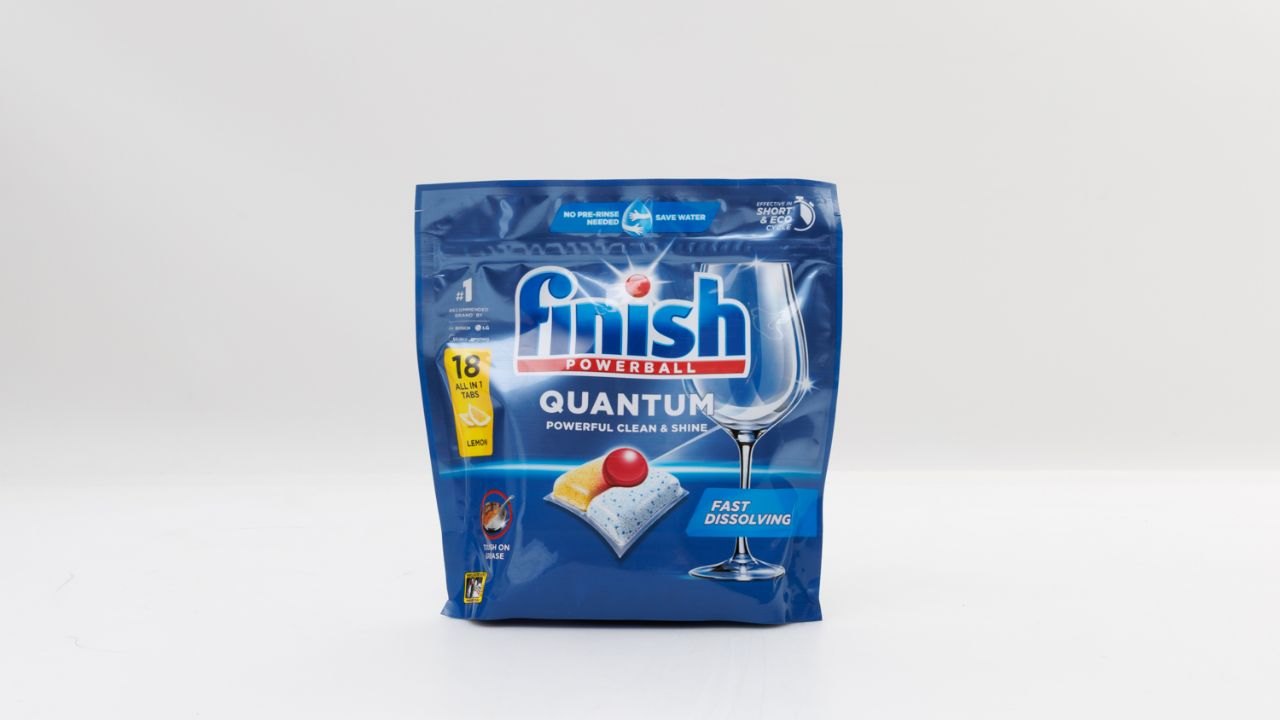
Dishwasher Tablets Reduce Handling for Full Loads
Dishwasher tablets make sense when enough dishes collect for a complete cycle. You place a tablet in the dispenser, start the machine, and reduce direct contact with dishes and detergent.
The tradeoff is timing: plates remain unavailable until the cycle ends and someone unloads them. It is less useful with an unreliable machine or limited dishes. It works best when batch cleaning already fits your schedule.
Wiping Tools Depend on the Follow-Up You Accept
Counter spills look small, but the answer changes with follow-up. The choice is instant disposal or washable upkeep, not a good or bad product. Grease, pet messes, storage space, and laundry habits should guide the comparison.
Paper Towels Remove Messes Without a Second Task
Paper towels are direct for grease, raw-food spills, pet accidents, and moments when the mess must go immediately.
You take a sheet, wipe, and discard it, leaving almost no aftercare or storage decision. That convenience creates repeat spending and can fill cupboards faster than expected.
They are less useful for dusting or light water spills, where a roll disappears fast. Their main benefit is quick disposal, not long-term economy.
Microfiber Cloths Need a Simple Wash-and-Dry Routine
Microfiber cloths handle dust, mirrors, counters, and light spills without creating trash each time. They work best when a clean stack is available and damp cloths can dry, because poor storage can cause odors.
Rinsing is quick, but washing and sorting later still belong in the job. People who run frequent laundry may find that step minor. For others, maintenance effort cancels out the savings.
Laundry Choices Reveal What You Can Remember
Laundry tools are easy for different reasons. One adds a single-use action every load, while the other needs a storage habit between loads. Consider where folding happens, who does laundry, and whether reusable tools tend to wander.
Dryer Sheets Simplify the Moment of Use
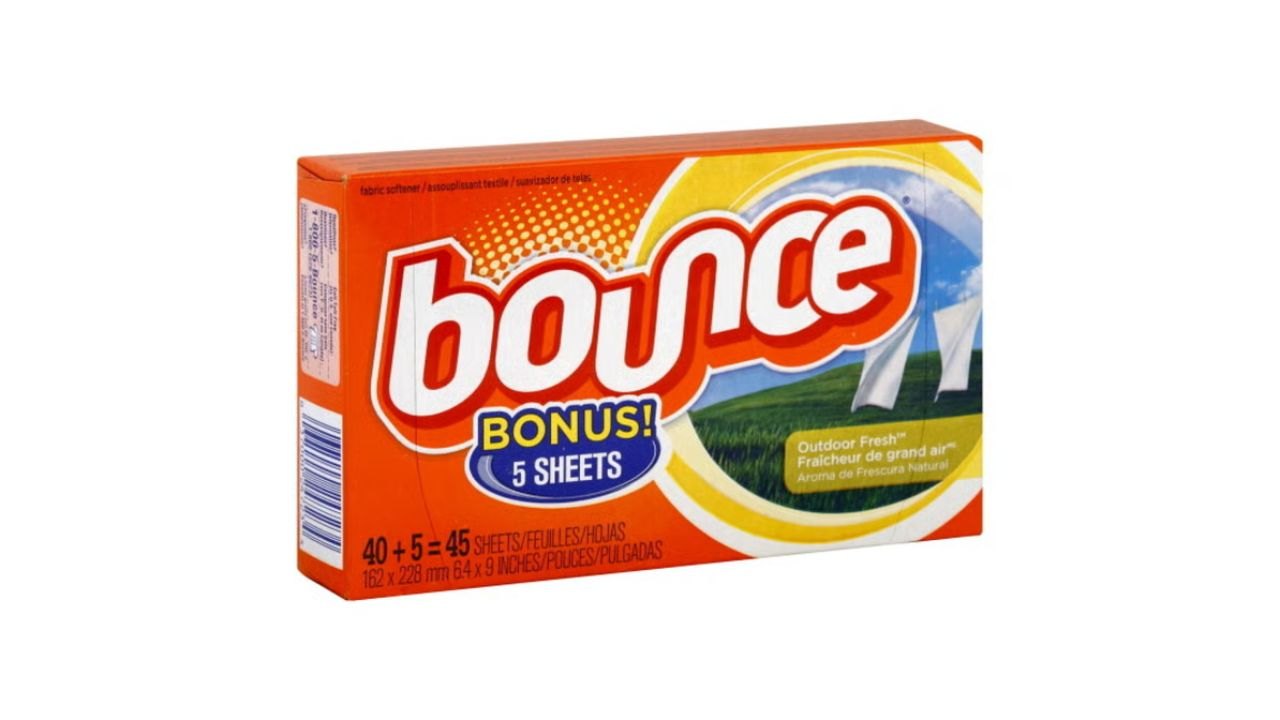
Dryer sheets are familiar because the action is simple: take one, add it, and start. They require no cleaning and little planning once a box stays nearby. This suits homes with shared laundry spaces.
The cost is regular restocking and a used sheet after every load. Their appeal is low mental effort and predictable handling.
Wool Dryer Balls Reward a Set-and-Keep System
Wool dryer balls can feel easier once they stay in the dryer or a basket beside it. They remove the need to open a new box each cycle, suiting people who prefer reusable tools.
The routine can fail when balls mix with folded clothes or roll into another room. Static control may vary with fabric, weather, and load size. They work best when consistent storage is already a laundry habit.
Floor Care Depends on Room Size and Cleaning Depth
Floor tools make setup differences easy to notice. A quick system helps with small resets, while a bucket method may suit larger sessions and heavier buildup. Choose based on your rooms, common messes, and tolerance for dirty water.
A Spray Mop Supports Fast Weekly Resets
A spray mop is convenient for footprints, crumbs, and small spills when you do not want a bucket. It stores upright, starts quickly, and reduces preparation in smaller homes.
You still need pads and solution, so a forgotten refill can stop the routine. It may disappoint on heavily soiled floors or several rooms. Its value is fast access and light setup.
A Mop and Bucket Make Sense for Larger Areas
A mop and bucket require water, wringing, emptying, rinsing, and drying. That work can be worthwhile when you clean several rooms and control floor moisture.
The bucket takes space, and dirty-water cleanup is a disadvantage. It can feel excessive for a five-minute kitchen spill. This method fits people who prefer deeper cleaning over instant convenience.
Also Read: Which Product Is Easier To Use? A Comparison Guide To Three Bathroom Cleaning Staples
Use a Short Check Before Building a Collection
The best choice usually suits your most common job. Compare your normal routine with follow-up work instead of buying every version of a cleaning tool. Use this quick screen when two choices still seem close:
- Few dishes or full loads
- Wipe now or wash
- One load or many
- Small rooms or whole floors
- Refills, storage, and follow-up
Test One Routine During an Ordinary Week
Try one format during a normal week before buying related refills or alternatives. Notice when you avoid using it, what runs out, and whether cleanup creates tomorrow’s task.
Write a note about time spent and repeat annoyance after two or three uses. If a tool works only when you feel unusually motivated, it may not fit your schedule. The goal is repeatable ease, not a dramatic first result alone.
Conclusion: Choose the Work You Are Willing to Repeat
No format wins every task. Hand washing helps small batches, tablets reduce handling for full loads, paper towels remove messes, and cloths need upkeep.
Spray mops serve quick resets, while buckets suit broader sessions. Choose the method whose tradeoff you accept and whose aftercare fits home.