A product can impress on delivery day and become frustrating once it joins an ordinary routine. Long term performance shows itself through charging, cleaning, carrying, cooking, adjusting, and storing, not through a polished product page.
This guide is for people who want to judge lasting value before spending, especially when an item will be used several times each week. It focuses on wear, repair, and the small ownership details that decide whether something remains useful.
Start With the Parts That Do the Most Work
The finish, color, or headline feature may catch your eye first, but the parts under constant stress usually decide how an item ages. Think about what gets pressed, bent, scrubbed, rolled, heated, or recharged in your home.

Those high use components deserve more attention than a short launch review because they shape everyday reliability. A sturdy outer shell cannot make up for one fragile part that makes the product annoying after a few months.
Find Likely Failure Points Before Comparing Prices
For phones and laptops, check batteries, charging ports, hinges, keyboards, storage limits, and cooling vents. With cookware, look at handles, coatings, warping risk, and how the surface reacts to normal utensils and cleaning.
Furniture buyers should inspect seat foam, caster wheels, drawer runners, and adjustment levers, because these parts reveal daily durability long before fabric or finish wears out. Ask which component will face the most repeated stress in your actual routine.
Check Repairability Before You Need It
Repairability only helps when it is practical for your location and budget. Look for replacement parts, clear instructions, delivery times, service options, and tool requirements before a fault appears.
A product may be described as repairable yet still require expensive shipping or a technician who is difficult to find. The useful question is whether the repair route is realistic after normal wear, not whether the word repairable appears in marketing copy.
Use Brand Examples as Questions to Ask
For a concrete benchmark, inspect Framework and Fairphone as brands that make longer ownership part of their product conversation.
Their main websites can help you see what to ask about replaceable components, upgrade paths, guides, and parts availability.
Still, do not treat either brand as an automatic answer; availability, price, service, and local delivery can change the experience. The real lesson is to look for a visible ownership plan and check the local support behind it.
Compare Products in the Conditions You Actually Have
Products do not age in a showroom, and they rarely live in the ideal conditions shown in an advert. Heat, humidity, hard water, pet hair, children, travel, storage space, and hurried cleaning all affect how materials perform.
Compare options against your real household habits, not the most flattering scenario in a sales image. This is where an item that looks basic can outperform a feature heavy alternative because it suits your daily environment.
Cookware and Appliances Need Care You Will Keep Up
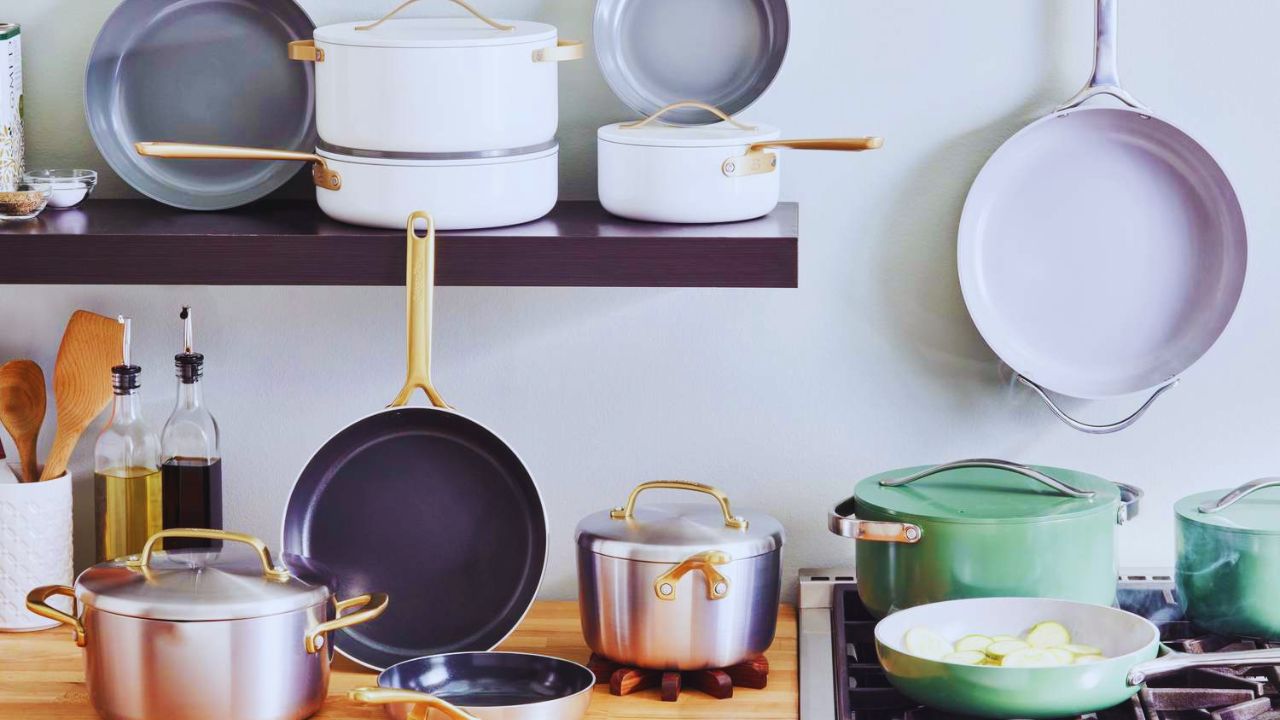
A coated pan may make eggs and delicate foods easier to cook, but high heat, metal utensils, and abrasive scrubbing can shorten its usable life.
Cast iron and stainless steel may last for years, yet each asks for different cleaning and storage habits. For blenders and food processors, check motor ventilation, jar material, blade access, and whether seals can be replaced.
The better choice depends on your cooking routine and the care you can sustain, not on claims that one material is always superior.
Furniture and Mattresses Reveal Their Weaknesses Slowly
A chair or mattress can feel excellent during its first weeks, so early praise needs context. Check frame construction, foam density, fabric care, weight limits, return terms, and whether key components can be replaced.
A stylish chair may suit guests yet struggle during full workdays, while a firmer mattress may feel different after several weeks of adjustment. Think about the user, the room, and the expected workload together instead of relying on appearance alone.
Look for Evidence From the Long Middle
Star ratings can show whether people liked a product when it was new, but they rarely explain how it ages.
Search for reviews written after six months or a year, especially those that mention repairs, fading performance, noise, leaks, sagging, or customer service.
Give more weight to repeated patterns than one dramatic complaint or a vague phrase such as “great quality.” The strongest evidence describes how often the item was used and what changed.
Compare Reviews From Different Ownership Stages
Read a mix of first week reactions, mid year updates, and longer ownership reports. Useful reviewers explain use frequency, conditions, what failed or improved, how the company responded, and whether they would buy again.
Skip comments that praise quality without naming anything that held up. This separates specific experience from advertising language and helps you spot recurring weaknesses before you order.
Also Read: Product Comparison Based on User Needs
Keep a Small Scorecard Before You Decide
A brief scorecard can stop one attractive feature from taking over the decision. Keep it tied to your next year routine, not an ideal lifestyle you may not maintain. Focus on a few practical checks that change the ownership picture:
- Wear points: batteries, hinges, coatings, seams, wheels, and moving parts.
- Repair route: parts, manuals, local service, likely cost, and delivery time.
- Routine fit: cleaning, storage, energy use, refills, and expected frequency.
Buy for the Second Year, Not the Unboxing Moment
The product that performs better over time rarely has the longest feature list. It fits your space, survives normal wear, and has a realistic path when a predictable component fails.
Before checkout, spend ten minutes checking long term reviews, care instructions, warranty exclusions, and the part most likely to wear out.
That small habit makes durable buying more evidence based than first impressions, so the purchase is more likely to stay useful after the excitement fades.
Let Your Routine Make the Final Cut
Do not buy for a version of yourself who follows perfect maintenance instructions, has unlimited storage, or uses an item only occasionally. Once you have narrowed the options, confirm size, compatibility, ongoing costs, and service availability against your real schedule.
Choose the product that supports ordinary use, even when it is less flashy than a competitor, because it is more likely to deliver real value when life gets busy.