
A purchase feels less risky when the reasons are written down. How product catalogs improve buying confidence is not about finding one universal winner.
It is about gathering evidence, comparing it by the same practical rules, and recognising limits before checkout. This guide shows how a catalog replaces scattered tabs, sales pressure, and vague rankings with a record you can revisit.

A Catalog Should Hold the Reasoning
A useful catalog is not a list of products with prices attached. It records why each candidate stayed, what it cannot do, and the evidence behind its placement.
That matters when a discount ends or a new model appears. The aim is visible trade-offs and repeatable judgment, not a polished score that hides uncertainty.
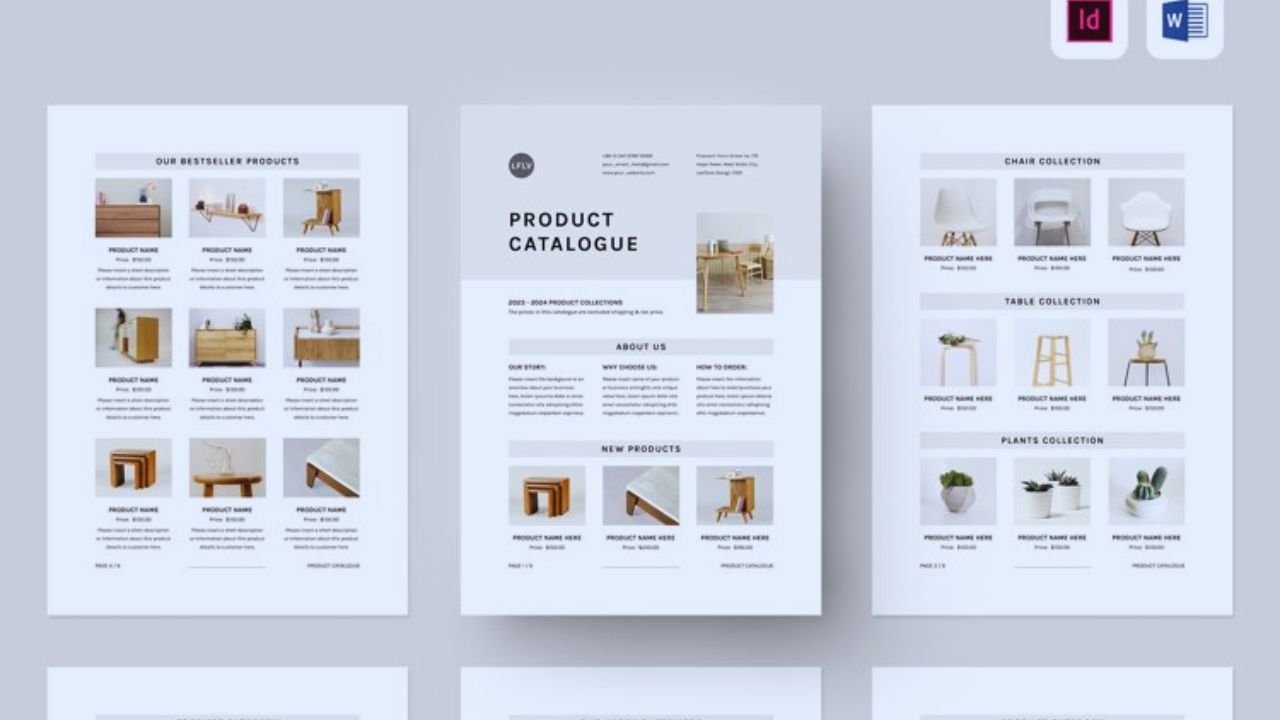
Give Every Candidate the Same Fields
Use the same fields for products in one category: price, dimensions, key performance measure, warranty, return policy, replacement parts, and running costs.
Keep the order fixed, even when a brand describes a feature differently. Mark missing details as not verified instead of guessing. This makes uneven information easier to spot and stops marketing language from making one entry look stronger than it is.
Remove Poor Fits Before Comparing Small Differences
Research expands quickly when every recommendation becomes another tab.
Begin with a manageable group, then remove items that fail a written dealbreaker: wrong size, weak service access, incompatible accessory, or a price beyond reach.
A short list leaves time for better checking. It protects decision energy and prevents late hype from reviving options rejected for sensible reasons.
Separate Facts From Impressions
A catalog becomes trustworthy when it does not blur official information with personal opinion.
Specifications, warranty terms, and manual instructions should sit apart from comfort notes or reviewer reactions.
That separation shows what is stable and what varies by person. It gives documented evidence and individual experience proper weight without pretending they are identical.
Put Official Information Beside the Claim
Manufacturer pages and manuals can confirm dimensions, supported features, care requirements, warranty language, and model numbers. Save the relevant page beside the entry so you can check it later.
When sources disagree, flag it before scoring. A clear source trail reduces copied-specification errors and keeps assumptions out of the final recommendation.
Also Read: Organized Catalog of Everyday Products
Keep Repeated Problems in Plain Sight
Reviews should reveal patterns, not merely dramatic stories.
One damaged shipment may be unusual, but recurring complaints about a loose hinge, poor battery, unreliable connection, or slow support deserve a concise note.
Keep those notes close to the score. This gives known drawbacks real influence and stops high star averages from hiding problems that interrupt everyday use.
Price Is Only the First Number
A lower ticket price can become poor value when filters, batteries, cartridges, subscriptions, accessories, or repairs follow.
Record likely costs beside the product price, including delivery and return charges when relevant.
This is especially useful for appliances, tools, and technology. Showing ownership costs helps buyers judge short-term discounts without letting a sale banner settle the choice.
Build the List Around Real Limits
The strongest catalog does not reward every feature equally.
It first removes options that cannot meet the user’s needs, comfort limits, local support requirements, or budget. Once basics are met, smaller differences can guide the final choice.
This creates clear boundaries and avoids false compromise when a cheap product fails the job it should do.
Keep Must-Haves Separate From Nice Extras
Write three non-negotiables before opening retailer pages.
They may include a certain size, local warranty support, a compatible operating system, washable parts, or a noise limit. Put preferred colours, bundled accessories, and extra modes elsewhere.
This turns minimum requirements into a gate and leaves pleasant extras for actual tie-breaks. It also makes the ranking easy to explain.
Use Tiers for Different People, Not One Winner
“Best value,” “best for travel,” and “best for heavier use” are more honest than one overall champion. Each tier should state who it suits and which trade-off remains.
A compact item may save space but have shorter runtime; a premium model may offer easier repair but cost more. These labels respect different routines and give useful context.
A Small Headphones Catalog Shows the Method
Headphones illustrate how comfort, noise control, microphones, and connection behaviour vary between listeners. Start each entry with its main use case, then note evidence, price, risk, and compromise.
That turns a product card into an ownership forecast, rather than a bundle of driver names and promotional claims.
Compare Real Listening Conditions, Not Only Features
For commuting and shared-office calls, compare Bose QuietComfort Headphones with Sony WH-1000XM6.
Record fit, microphone behaviour in noise, battery under normal settings, switching, return terms, and local support.
Neither belongs first for everyone. The meaningful choice depends on your listening environment and your source devices.
Let the Return Policy Affect the Rank
Fit, sound, glare, and handling cannot always be confirmed online. A straightforward return route lowers the cost of being wrong, while restocking fees or overseas shipping raise it.
Put that information beside the price. Giving exit options a visible place makes purchase risk easier to judge before a card number is entered.
Keep the Catalog Useful When Time Is Short
The method matters when a sale ends, stock looks low, or someone needs an answer quickly. Keep update dates, price checks, and one-line reasons beside top candidates.
That lets you return to work already done. A living catalog offers faster recall and steadier decisions, not a research project that never ends.
Use a Brief Check Before Checkout
Before paying, return to the points that protect your choice. This keeps last-minute pressure from replacing written evidence:
- Does the model meet every must-have and avoid clear dealbreakers?
- Are price, return terms, warranty, and local availability current?
- Can you explain its benefit and accepted trade-off in one sentence?
Keep the Reason, Not Just the Rank
Confidence does not come from choosing the loudest recommendation. It comes from seeing why two or three options fit, where each falls short, and what you are prepared to accept.
Build the catalog around evidence you can check again, then use it when promotions appear. When clear trade-offs stay visible, buying confidence becomes an outcome, not a feeling created by a sales page. It also gives future purchases a starting point, not zero.