
A pair can sound exciting for five minutes and become irritating halfway through a commute, call, or workday.
Headphones Catalog looks past slogans to the details that shape ownership: fit, connection behaviour, microphones, battery habits, and the music you play.
It is for people comparing wireless over-ears, earbuds, and wired models without treating a specifications list as a verdict. The aim is a useful shortlist that fits your phone, routine, and patience for maintenance.
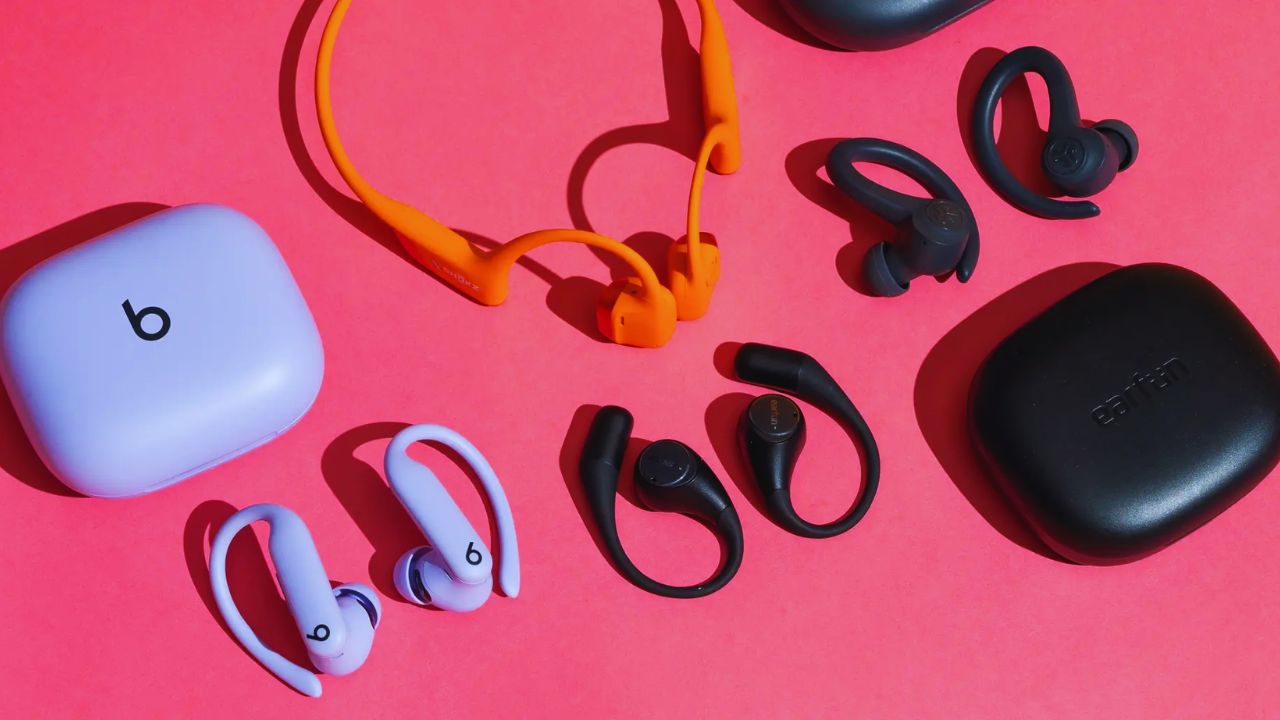
Begin With the Place You Listen Most
Start with the places where the headphones will spend their time, not a driver chart or codec label.
Trains, offices, bedrooms, gyms, and quiet desks create different needs for isolation, weight, controls, and sound leakage.
Think about daily surroundings before paying for premium extras that solve somebody else’s problem. This makes decisions easier.
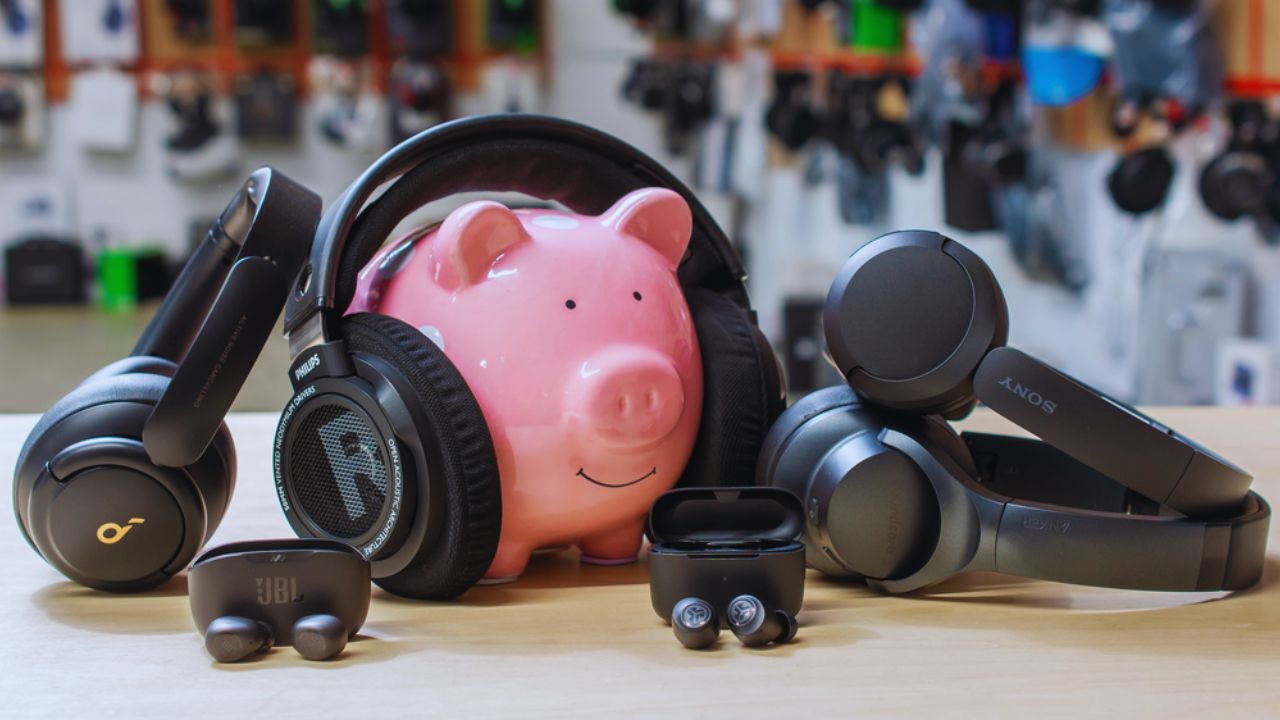
Commuting Rewards a Good Seal
For trains, flights, buses, and busy streets, passive isolation matters before active noise cancellation starts.
A good cushion or ear-tip seal reduces distraction, while a poor one can thin the sound and push volume higher.
Check clamp pressure after thirty minutes and easy controls with gloves or damp fingers. A travel pair should reconnect quickly and pack easily.
Calls Need More Than an ANC Label
Noise cancellation describes what you hear, not always what a colleague hears. Test your voice beside a fan, keyboard, traffic, or café noise instead of trusting a quiet-room sample.
Give microphone clarity and wind handling more weight than an impressive bass description. Music-first headphones can handle occasional calls, but regular meetings need a more careful test.
Driver Names Explain Character, Not Quality
Driver labels can explain why two models feel different, but they do not rank them automatically.
Dynamic drivers often bring natural bass weight, planar designs can emphasise speed and detail, and hybrids divide work across components.
Fit, enclosure design, tuning, and equaliser settings shape what you actually hear as much as the driver itself. Treat sound signatures as preferences, not a scorecard.
Dynamic Designs Remain a Good Default
A well-tuned dynamic driver can handle podcasts, pop, films, and commuting without specialist equipment. Housing, vents, pads, and tuning choices still matter, so two dynamic pairs may sound nothing alike.
Listen for bass that stays controlled when a track becomes crowded and for voices that remain clear. This keeps natural low end from becoming constant boom during long sessions.
Planar and Hybrid Models Need Context
Planar headphones may interest listeners who enjoy detail and at-home listening, but some are heavier or need more power.
Hybrid earbuds can combine bass impact with clearer upper frequencies, yet crossover tuning matters more than a driver count.
Consider listening comfort beside technical detail, especially when the pair travels. A demanding model is less useful when it stays at home.
Match Bluetooth to the Device You Already Own
Bluetooth codecs are shared formats: the source and the headphones need matching support before a higher-quality option becomes available.
Apple users commonly encounter AAC, while Android phones may offer aptX or LDAC; LE Audio adds LC3 for efficient audio at lower data rates.
Give device compatibility priority over codec marketing, because an unsupported badge changes nothing. This check avoids costly features you cannot use.
Keep Codec Debates in Proportion
SBC is the universal fallback and can sound perfectly fine on a well-made pair. AAC is practical for Apple users, while aptX Adaptive or LDAC may matter to Android listeners whose equipment supports them.
A better codec cannot correct harsh tuning, a weak seal, or unreliable connection. Put basic performance before bitrate arguments when comparing products.
Multipoint Should Match Your Work Pattern
Multipoint can make switching between a laptop and phone easier, but behaviour differs by brand.
Check what happens when a call arrives during music, whether audio changes codec, and how quickly the app reconnects.
That matters in hybrid work. Confirm switching behaviour and app controls before assuming the label removes every interruption.
Two Current Over-Ear Examples Illustrate Different Priorities
The Sony WH-1000XM6 is worth researching for people who want noise control, multipoint functions, and newer wireless options.
The Bose QuietComfort Ultra Headphones (2nd Gen) may suit listeners who put comfort, noise reduction, and calls high on the list.
Neither is a universal winner. Check local warranty terms and regional availability before treating either model as a final answer.
Sony Is a Connection-Focused Comparison
Sony may suit listeners moving between phone and computer during the day who want to examine newer connection features.
Its official page can help verify the exact regional version, firmware support, accessories, and stated battery conditions.
Do not assume every feature works on every source device. Compare source-device support with your switching routine before paying extra for connectivity.
Bose Is a Comfort-Focused Comparison
Bose may suit people who spend long stretches travelling, working in shared spaces, or listening at moderate volume.
Comfort is personal, so compare cushion depth, clamp, heat, glasses pressure, and controls you can reach without removing the pair.
A quiet fit can matter more than a tiny sound difference. Give head shape and glasses the same respect as technical features.
Battery, Fit, and Care Decide Whether You Keep Them
Battery claims come from controlled conditions, so volume, noise cancellation, calls, temperature, and multipoint may change actual runtime. Earbuds need a case that charges reliably; over-ears need hinges and pads that hold up.
Check replacement cushions, ear tips, cables, and firmware support before buying. Those ownership details can matter more than launch-day specifications after the first year.
Use the Return Period Like a Real Test
Test the situations that will repeat in your life before the return window closes. This brief check keeps comfort over time beside reliable daily use:
- Wear them through a full call, walk, or work block.
- Test charging, switching, controls, and one noisy environment.
- Confirm return terms, parts, warranty coverage, and firmware updates.
Keep the Pair That Stops Interrupting Your Day
The strongest headphones are not necessarily the newest model or longest feature list.
They should let you hear clearly, speak naturally, move comfortably, and reconnect without fuss in places you genuinely go.
Begin with fit and surroundings, then verify phone compatibility and support before focusing on advanced labels. When ordinary listening leads the decision, lasting satisfaction becomes more likely than a purchase driven by acronyms.