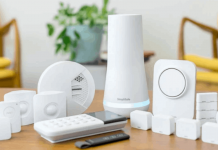
Long term purchases deserve more than a quick price check. An organized catalog keeps ownership details beside the claims that sell a product.
It helps households, renters, and practical buyers compare choices without repeating research every year. The goal is a short record that explains why an item stayed and what could make it leave.
Build the Catalog Around Real Life
A useful catalog follows repeated jobs, not brand names or broad store departments. Begin with daily problems and practical limits such as space, budget, and support access. This gives every section a clear purpose before product pages influence your thinking.

Define Needs and Budget Bands First
Start with the job the item must complete. Record use frequency, location, and users. Put must have needs ahead of nice extras, then list deal breakers.
Set a target price and firm ceiling before browsing. Exceed the ceiling only when an option removes a recurring cost or problem.
Create a Shortlist and a Do Not Buy Record
Keep no more than three candidates after basic filters. Give each one a reason for remaining and one limitation.
Create a note for repeated defects, unclear support, or hard to replace supplies. Do not condemn an item because of one review or delivery problem. Use dated evidence so a revised model can earn another look.

Rank Products for Ownership, Not Hype
A ranking should explain what ownership looks like after the first month. Use simple tier rules and visible tradeoffs instead of a score that hides its logic. The same method makes replacement decisions faster when a sale or new model appears.
Give Value, Balanced, and Premium Tiers Clear Meanings
Value means the lowest realistic cost to own for the task. Balanced means fewer compromises in daily use and support access.
Premium requires stronger durability, repair options, or a feature you will use often. Write the definition before adding products. Keep close models in one tier and describe their difference.
Put Warranty and Repair Information Beside the Price
Warranty length cannot show how practical a claim will be. Record covered parts, exclusions, labor, claim steps, and local service.
Add repair access and return terms beside the price. A cheap item becomes poor value when one small failure requires replacement. Clear support details help calculate risk before a sales page hides fine print.
Track Systems, Supplies, and Hidden Costs
Long term value disappears when items need expensive filters, batteries, attachments, or subscriptions. Record expected replacements and local availability as system costs and future constraints.
A common battery platform can make gradual upgrades cheaper. Proprietary parts are not automatically bad, but their price and supply should be clear. Mark ecosystems that could leave a working product stranded.
Research Sources That Explain Ownership
Research should reveal what living with a product requires after its first week. Begin with official documents and method based reviews, then use retailer feedback to find repeated issues. This order helps evidence outweigh polished opinions and viral claims.
Read Manuals and Support Pages Before Scoring
A manual can reveal setup, cleaning, warnings, maintenance, error messages, and parts. These details expose hidden chores and ownership limits missed by sales pages.
If documentation is difficult to find, mark it as a transparency risk. Clear instructions do not guarantee reliability, but they make care easier to plan. Check support pages for updates, components, or troubleshooting.
Also Read: Complete Catalog of Products by Category

Read Reviews for Patterns, Not Drama
Read recent reviews after confirming the exact model. Look for repeated reports of weak hinges, noisy motors, leaks, batteries, or confusing setup.
Separate product faults from shipping damage, wrong orders, and other variations. Write one repeated strength and one repeated risk relevant to your routine. This turns customer feedback into practical evidence, not extreme opinion.
Apply the Rules to Categories That Matter
The same catalog structure can cover air care, luggage, office equipment, and more. What changes is the evidence that predicts long term performance and avoidable hassle. Keep fields specific enough to reveal each category’s actual failure points.
Air Purifiers Need Supply and Running Cost Math
Air purifier entries should include room guidance, noise, electricity, filter schedule, and yearly cost. Check whether replacement filters match the exact model and remain easy to order.
Low machine prices lose appeal when supplies are expensive or stock is inconsistent. Put supply stability and maintenance cost near the top. This separates cheap units from genuinely affordable systems.
Luggage and Chairs Need Fit, Repairs, and Support
Luggage needs notes on wheels, handles, zippers, material, repair routes, and usual trips. Chairs need seat depth, arm range, lumbar adjustment, trial options, and return terms.
Official warranty terms can help compare support with materials and adjustments. Durable products still fail when they do not fit the person or task. Give body fit and repair options enough weight to change ranks.
Keep the Catalog Useful After Purchase
A catalog should become easier to maintain as you gain ownership experience. Add update triggers and brief ownership notes when facts shift or care becomes harder than expected. This turns a shopping record into a reference for repairs, replacements, and future upgrades.
Refresh Only When Material Facts Change
Recheck after a recall, major price movement, discontinued part, warranty revision, or meaningful model update. Do not restart because color, packaging, or a minor feature changed.
Add the date and reason whenever a product moves tiers. Archive retired models with a brief explanation. This protects ranking history and future research from repeated dead ends.
Before checkout, use these five quick checks for each finalist:
- Confirm exact model numbers
- Price first year supplies
- Read local service terms
- Confirm return route
- Write accepted tradeoff
Build a Record You Can Reuse
A long term catalog does not need perfect information. It needs consistent rules and honest notes about risks that appear after purchase.
Start with one category, choose a few finalists, and record the cost, support, and limitation each carries. Over time, the record helps you spend with calmer judgment and fewer avoidable replacements today.