
Busy homes do better with tools that work quietly in the background. The best low-maintenance products reduce repeat chores without creating complicated care plans.
They should save time and attention after the novelty of the first week disappears. This guide ranks five categories by realistic upkeep, replacement needs, and fit with ordinary routines.
Decide What “Low Maintenance” Actually Means
Low maintenance never means zero care. It means the product asks for small predictable tasks instead of constant resets, troubleshooting, or special supplies. Before adding anything, compare the chore it removes with the work it creates.
Count the Work That Happens After Checkout
Look beyond a sales page and list every task that will repeat. Include cleaning, refills, filter changes, charging, app updates, storage, and replacement parts.
A useful product should reduce weekly friction without replacing it with a hidden routine. Estimate how long those tasks take during a typical month. This creates a fair starting score before brands or discounts influence the decision.
Use these five quick checks before purchase for real household use:
- Name the recurring chore
- Count the cleaning steps
- Check replacement supplies
- Measure storage requirements
- Accept one trade-off
Score Upkeep Simply
Rank tools by attention after the first month. Give equal weight to time spent, replacement cost, cleaning difficulty, and recovery from small failures. A record tests claims.
Score Recurring Tasks, Not Sales Features
Use the same five fields for every candidate: weekly attention, monthly cleaning, supply cost, storage burden, and likely troubleshooting.
Score your own setup, not an imaginary household. A machine needing twelve minutes of care monthly may be easier than one demanding an hour twice yearly.
Keep notes in a plain comparison table so limits remain visible during sales. This turns maintenance effort into a practical factor you can judge.
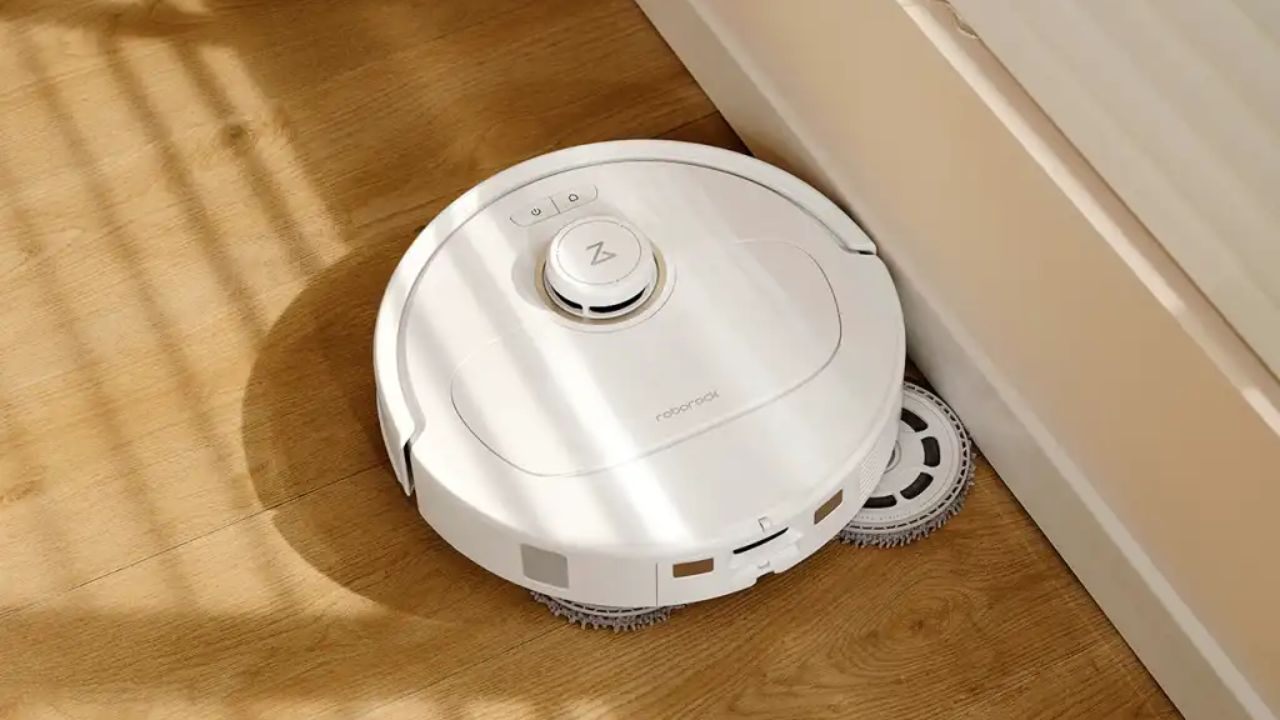
Robot Vacuums: Reduce Floor Work, Not All Care
Robot vacuums can reduce repeated sweeping when the home suits their navigation and bin capacity. They work best when floor layout and pet hair are considered before features. A dock may lower daily effort, but it does not eliminate maintenance.

Choose Navigation and Brushes Before Extra Modes
Prioritize obstacle avoidance, reliable docking, brush access, and parts you can easily order. Read the manufacturer’s robot-vacuum maintenance guidance before assuming a self-emptying dock handles every task.
Long hair, cords, thick rugs, and low furniture can change how often you intervene. Plan short checks for the brush, sensors, filter, and tanks rather than waiting for performance to drop. The best fit delivers predictable floor care with manageable monthly upkeep.
Multicookers: Keep Weeknight Meals and Cleanup Simple
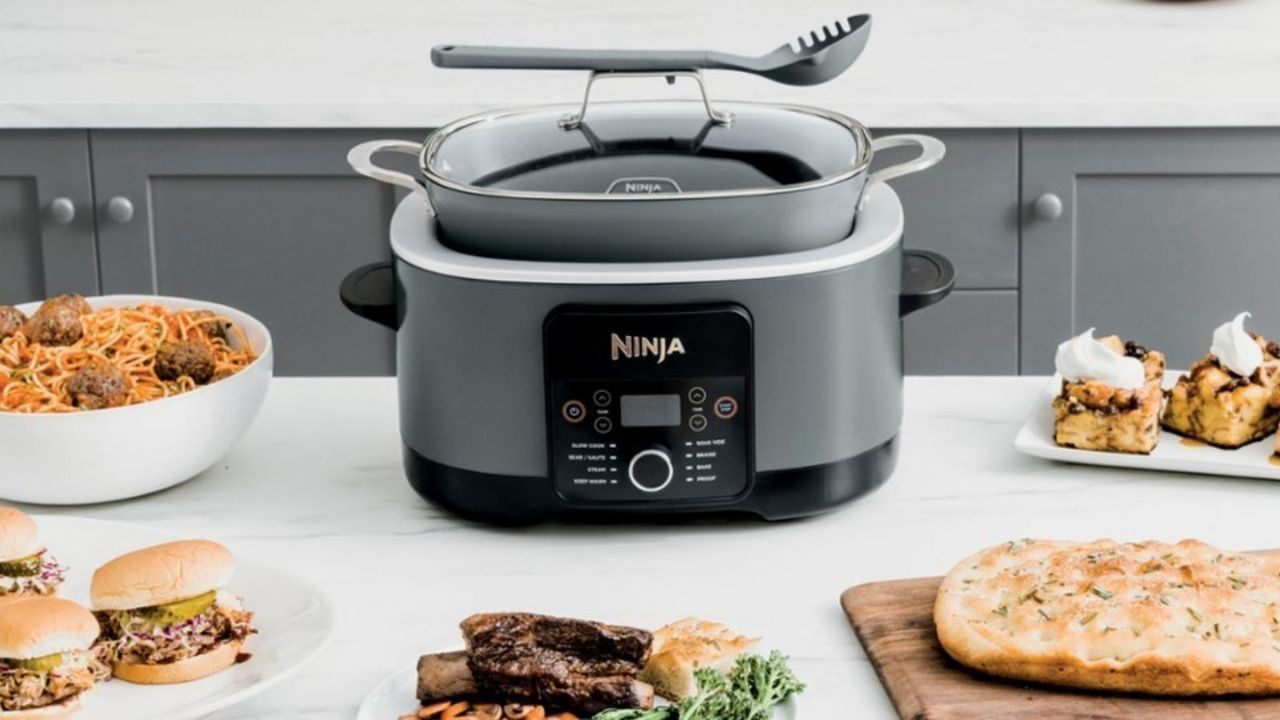
A multicooker earns space when it replaces steps you already repeat. Think about one-pot meals, batch cooking, and the number of dishes you wash afterward. A large control panel cannot compensate for a lid or pot that is unpleasant to clean.
Choose a Pot That Matches Your Regular Recipes
Check the pot shape, coating, lid channels, handles, and how many pieces need washing. Soups, grains, sauces, shredded meat, and simple pasta dishes reveal whether the appliance fits your habits.
Do not reward specialty functions you will use twice a year. A unit with fewer removable parts may be easier to rinse, dry, and store. Good candidates deliver repeatable meals and low cleanup effort on ordinary nights.
Laundry Detergent: Make Results Easy to Repeat
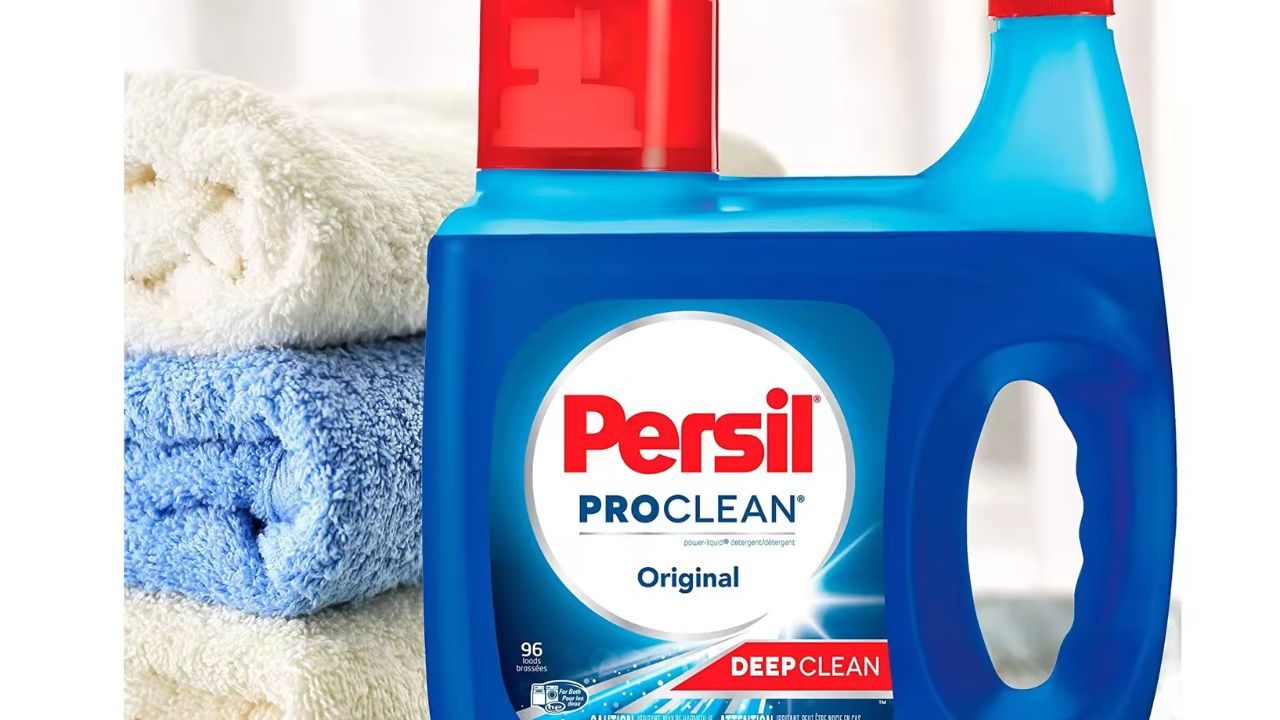
Laundry becomes simpler when one formula and one dosing method work for most loads. The aim is consistent cleaning without rewashes, residue, or a collection of half-used bottles. Keep fabric needs and machine instructions visible before switching formulas frequently.
Build a Routine Around Correct Dosing and Drying
Use the product label and your machine instructions rather than adding more detergent when clothes smell musty. Overloading, poor airflow, and leaving damp items inside can cause problems that another formula will not fix.
Keep one stain-treatment method for common accidents, then review results after several similar loads. If skin irritation or persistent odor continues, change one variable at a time. That process produces stable laundry results and fewer unnecessary purchases.
Air Purifiers: Plan Filter Care Before Buying One
An air purifier can be low maintenance when it has a clear filter routine, sensible placement, and a noise level you tolerate.
It is not a substitute for addressing moisture, smoke, or other sources of indoor-air problems. Check filter availability and room fit before choosing design or app features.
Choose Clear Access and a Predictable Schedule
Look for an intake that can be cleaned safely and a cover that opens without fragile clips. Decide where the unit will sit, then leave clearance around it instead of moving it constantly.
A manufacturer’s air-purifier cleaning guide can show the basic tasks a filter system requires. Record replacement dates and costs when you buy the unit. This makes filter upkeep and quiet daily use easier to sustain.
Also Read: Product Catalog Based On User Demand: Kitchen Essentials That Buyers Actually Choose
Smart Plugs: Automate Small Decisions Safely
Smart plugs work best when they automate one routine you already perform. A lamp, fan, or simple device can benefit from a reliable schedule and clear naming. They should not be treated as a casual solution for every high-power appliance.
Start Small and Respect Electrical Limits
Set up one plug, name it by room and device, and test the schedule before adding more. Check the voltage, maximum load, indoor or outdoor rating, and connection requirements in the official product specifications.
Avoid using a plug beyond its listed limits or relying on an unstable Wi-Fi signal. Keep firmware current and give shared household members simple access instructions. A small system offers useful automation with minimal ongoing attention.
Conclusion: Choose the Chore You Want to Shrink First
The right low-maintenance purchase is not the one with the longest feature list. It is the item that removes a repeated task while leaving you with clear, limited upkeep.
Start with one chore, track the time it saves for a month, and keep the product only when it earns its space. That approach builds a calmer household system without filling it with more work.