
Replacing the same water bottle, pan, or pair of boots every 10 months gets expensive fast. The frustration compounds when the replacement breaks at the exact same spot.
Durable products rarely fail at the body or frame. They fail at the cap, the wheel mount, the coating, or the zipper. Knowing the first failure point changes how you shop.
This list ranks five products for durability based on what breaks first and what survives. These are picks built for daily punishment, not shelf life.
Every recommendation includes the specific weak spot to inspect and the care habit that keeps the product working longer. If you want the best products ranked for durability, start with failure points.
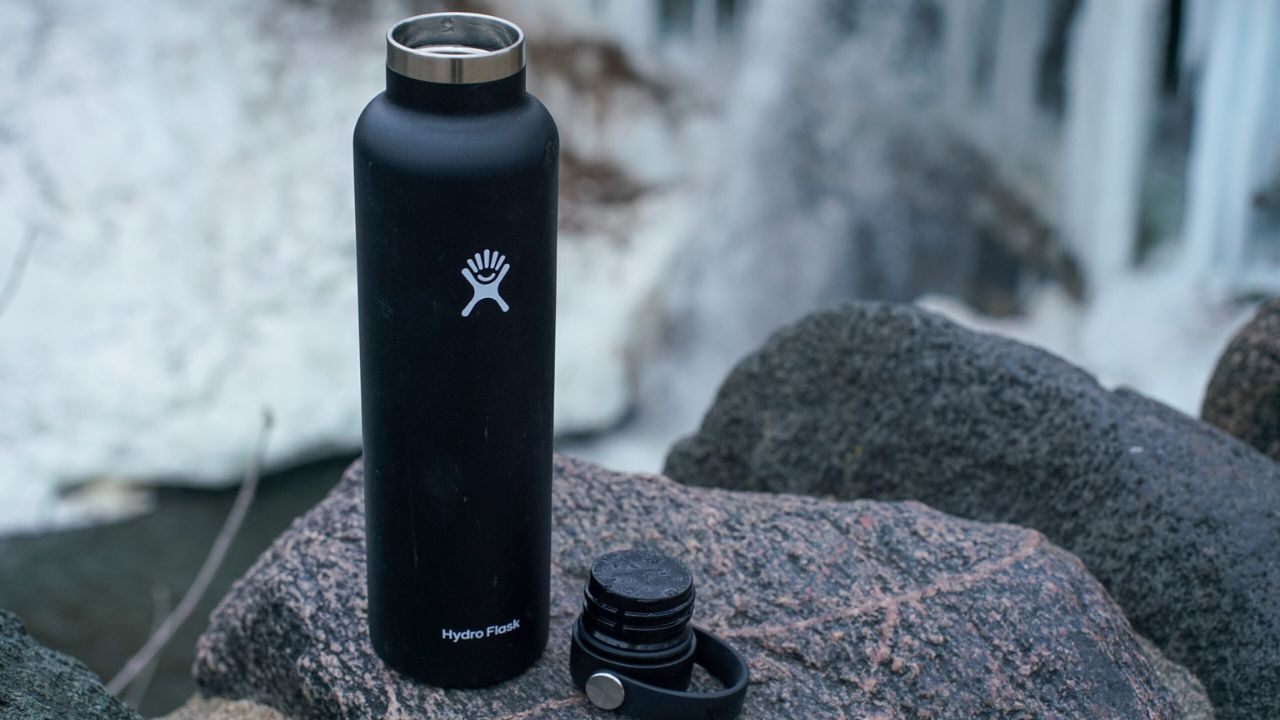
Water Bottles That Survive Drops: Why the Cap Matters More Than the Steel
A stainless steel bottle body can survive almost anything. Dents happen, sure. But dents don’t cause leaks. The cap does.
The Hydro Flask Standard Mouth earns its reputation because the gaskets and caps are individually replaceable. That single design choice extends the bottle’s useful life by years.
A stripped thread or cracked lid on a competitor brand means tossing the whole bottle. On a Hydro Flask, it means ordering a $7 cap.

Thread Alignment and Seal Integrity
Cross-threading is the silent killer of water bottles. One careless twist strips the threads, and the seal never sits right again. Look for bottles where the threads are deep-cut and widely spaced. Shallow threading on cheaper bottles wears out faster under daily use.
The gasket itself should lie completely flat when removed. Any warping, twisting, or compression marks mean the seal is already degrading. A bottle that lets you swap gaskets separately from the cap is a durability win that saves the full replacement cost.
Cleaning Habits That Prevent Early Replacement
People replace bottles because of smell, not structural failure. Residue trapped under the gasket or inside threading creates odors that soap alone cannot fix.
Remove the gasket after every few uses and scrub the groove underneath. Air drying matters more than the washing itself: trapped moisture breeds mold inside sealed threads.
Skip abrasive cleaners that scratch interior coatings and trap residue deeper. A bottle brush that reaches the threading is worth the $5 investment.
Milwaukee M18 FUEL Drill: Power Tool Durability Beyond Peak Torque
Power tools take a specific kind of abuse: heat cycles, vibration, drops from ladders, and loads that push motors past their comfort zone. A drill that handles one hard job means nothing if it grinds down after 50.
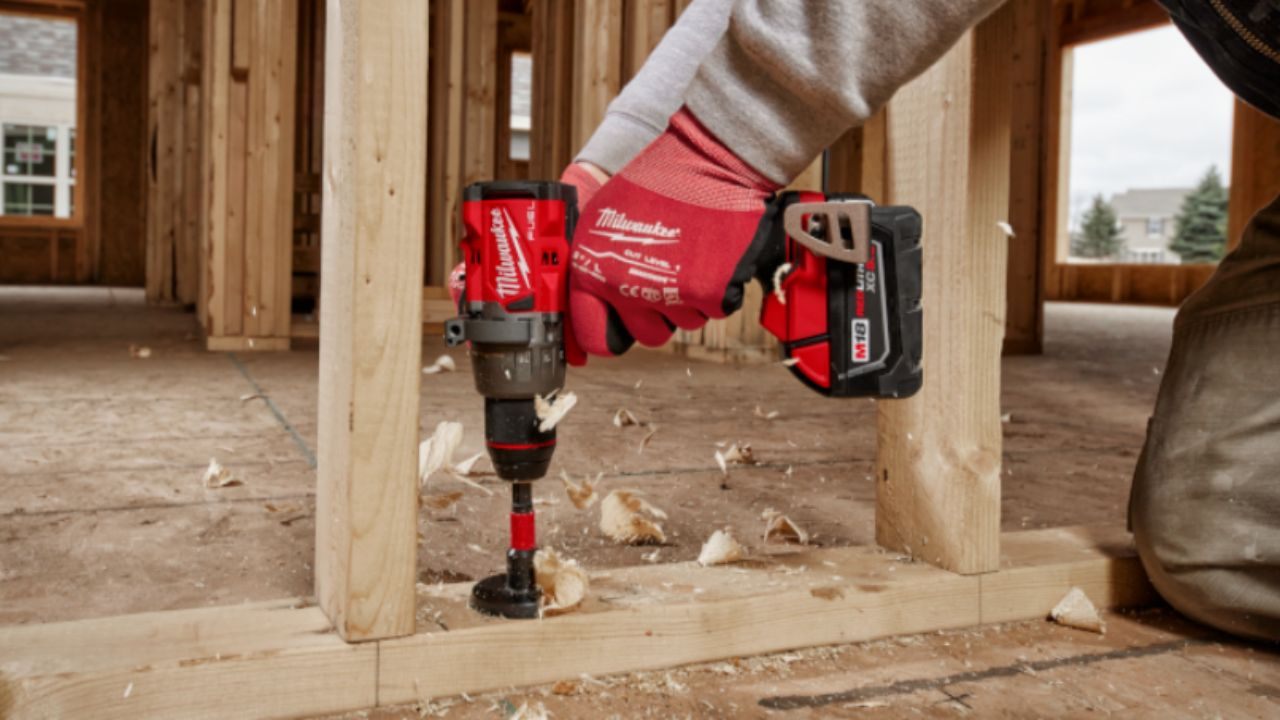
The Milwaukee M18 FUEL Drill Driver stands up because of the M18 battery platform. Packs are widely available, and the ecosystem means a single battery investment covers dozens of tools. But the drill itself earns its place through chuck grip, clutch consistency, and housing reinforcement.
Chuck Grip and Clutch Wear Signals
A weak chuck slips bits under load and chews up shanks. That slip creates wobble, and wobble accelerates wear on every moving part inside the housing.
Clutch engagement should feel consistent across settings. If reviewers mention grinding sounds within the first year, that is a red flag for premature gear wear. Trigger control also plays a role: smooth engagement reduces torque spikes that stress internal components.
Battery Life and Heat Management
I think the biggest mistake drill buyers make is running a single M18 battery pack until it overheats instead of rotating two packs during long projects. Heat is the number one battery killer, and one overworked pack loses capacity far faster than two packs sharing the load.
Store packs at room temperature. Leaving batteries in a hot vehicle or on a sunny windowsill accelerates cell degradation. The right bit at the right speed also matters: a drill that bogs down under load generates heat that shortens both motor and battery life.
Here are habits that protect power tool durability over time:
- Store drills in a case or bag, never loose in a truck bed or toolbox where impacts crack housings
- Wipe battery contacts clean and keep packs away from moisture and metal dust
- Use a lanyard attachment point when working at height to prevent drop damage
- Rotate battery packs during extended use sessions to manage heat buildup
Travelpro Platinum Elite: Luggage Durability for Frequent Flyers
Luggage gets punished in ways most products never face. Conveyor belts, overhead bins, rain-soaked tarmacs, and baggage handlers who treat every bag like a medicine ball.
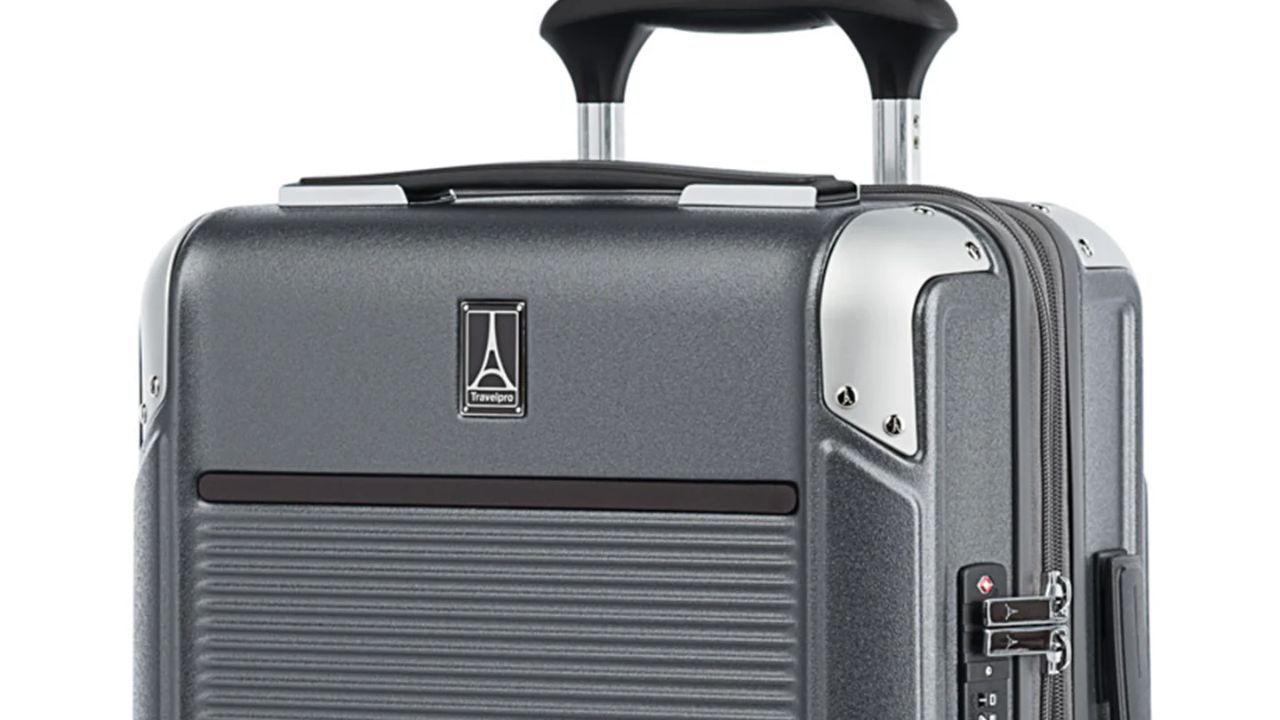
The Travelpro Platinum Elite Carry-On targets the three spots where suitcases die: wheels, telescoping handles, and zipper tracks. Corner reinforcement is a strong signal for overall build quality, since corners absorb the first impact during every handling event.
Wheel Mounts and Handle Wobble Tests
Wheel mounts are the number one failure hotspot on rolling luggage. Side impacts crack the housings, and once a housing cracks, the wheel tracks crooked. Crooked tracking creates vibration that loosens screws across the entire bag.
Spin each wheel on a new bag and push it straight across a flat surface. Wheels should roll true without pulling left or right. Extend the telescoping handle fully and check the lock points for wobble.
Also Read: Top Products Ranked For Ease Of Use: 6 Choices That Feel Simple On Day One
A handle that feels springy instead of rigid under downward pressure will loosen within a year of heavy use.
| Feature | Travelpro Platinum Elite | Typical Budget Carry-On |
|---|---|---|
| Wheel mount reinforcement | Reinforced housing with sealed bearings | Exposed riveted mounts |
| Handle lock points | Multi-stage locks, rigid tube | Single lock, flexible tube |
| Zipper type | Self-repairing coil zipper | Standard chain zipper |
| Warranty coverage | Limited lifetime, includes wheel/handle repair | 1-2 year, often excludes wheels |
The Travelpro’s self-repairing zipper and reinforced wheel housings address the exact points where cheaper bags fail within 12 months of regular travel.
Warranty Support That Covers Real Failures
A warranty is only useful if it covers the parts that break. Read exclusions carefully, especially around airline damage and cosmetic wear. Travelpro’s warranty page lists covered components, so confirm your specific model before assuming full coverage.
Keep the purchase receipt and register the bag if the brand requires it. Parts availability matters too: a broken wheel should mean a $15 repair, not a $300 replacement.
Lodge Cast Iron Skillet: The Cheapest and Longest-Lasting Cookware Pick
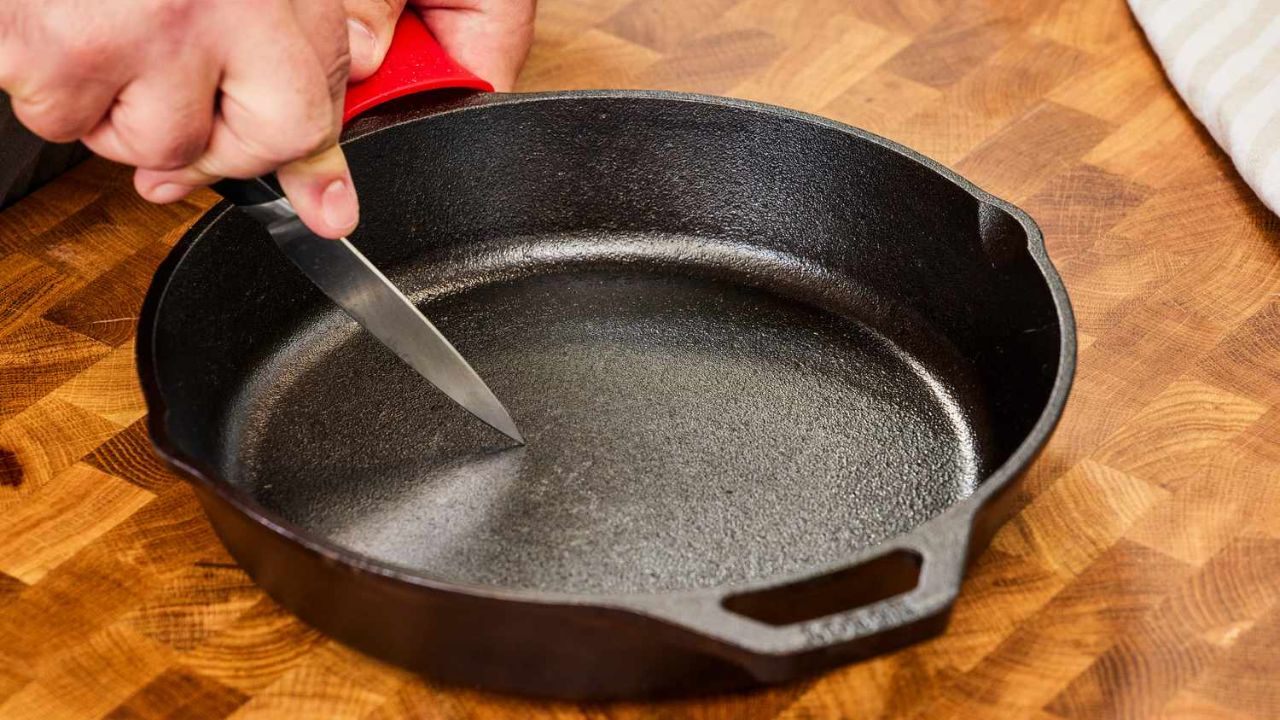
I think the widely repeated advice to “invest in premium cookware” is misleading when a Lodge Cast Iron Skillet costs under $30 and outlasts $200 nonstick pan sets by decades. Nonstick coatings degrade with heat and utensil contact. Cast iron gets better with use. The math is not close.
The Lodge Cast Iron Skillet has no coating to peel, no bonded layers to separate, and no handle rivets that loosen over time. The tradeoff is weight and a basic maintenance routine around moisture control.
Seasoning and Rust Prevention
Seasoning is a polymerized oil layer that protects the iron and reduces sticking. After every wash, dry the skillet fully on a burner or with a towel. A thin coat of cooking oil rubbed across the surface after drying keeps the barrier intact.
Soaking is the fastest way to damage cast iron. Standing water attacks the seasoning and starts rust within hours. If the seasoning gets patchy or food starts sticking, a full re-seasoning in a 450°F oven for one hour restores it.
That ability to rebuild the cooking surface instead of replacing the pan is what makes cast iron a multi-decade tool.
Cleaning Mistakes That Kill Cast Iron Early
Harsh soap strips seasoning. Abrasive scouring pads cut through the oil layer. Long soaks invite rust.
The right approach: warm water, a stiff brush, and mild soap if needed. Dry immediately. If food sticks, pour a little water into the warm skillet and let it deglaze.
Scraping aggressively with metal on a poorly seasoned pan gouges the surface and creates spots where food bonds permanently. A simple daily routine protects the pan better than occasional deep scrubbing sessions.
Blundstone 500 Series Boots: Daily Walking Durability Test
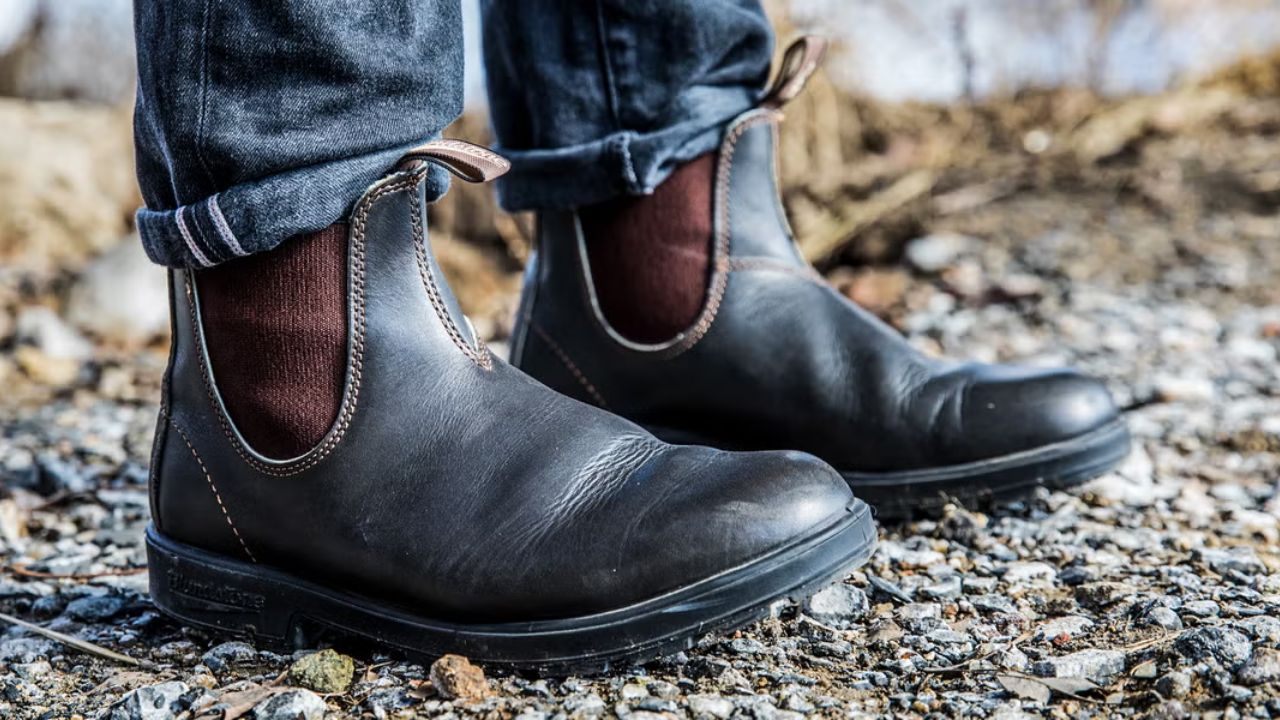
Cheap shoes fail where the sole meets the upper. Stitching separates, adhesive cracks, and the outsole peels away at the toe. The Blundstone 500 Series Chelsea Boot uses a leather upper with a slip-on construction that eliminates lace eyelets, tongue seams, and other common failure points.
Outsole Wear and Stitching Quality
Tread depth and sole density determine how long boots last on rough pavement. A spongy sole wears fast. A dense outsole with deep tread grooves resists abrasion and keeps traction for longer periods.
Check the stitching along the lower welt where the sole bonds to the upper. Tight, even stitching there signals a stronger bond.
Grab the heel and toe and twist: a boot that flexes too easily under hand pressure will break down faster under body weight. Elastic panels should feel taut and firmly attached, not loose or bunching.
Here are care habits that extend leather boot life significantly:
- Brush off dirt after each wear and wipe with a damp cloth before it sets
- Condition the leather every few weeks, more often during rainy seasons
- Air dry away from direct heat sources like radiators or heating vents, since heat hardens leather and weakens seams
- Ask a cobbler about resoling when tread wears thin rather than replacing the entire boot
Questions People Ask About Durable Products
Q: How do I calculate cost per use for a durable product? Divide the purchase price by the number of times you expect to use the item. A $150 pair of boots worn 300 times costs $0.50 per use, while a $40 pair that lasts 50 wears costs $0.80. The cheaper option costs more per actual use.
Q: Are expensive products always more durable? Not even close. The Lodge Cast Iron Skillet costs under $30 and can last over 50 years with basic care. Plenty of $200 nonstick pan sets lose their coating within 2 to 3 years. Price signals quality sometimes, but the material and failure point design matter far more.
Q: Can I fix a durable product instead of replacing it? That depends on the design. Products with replaceable parts like Hydro Flask caps or Travelpro wheels are built to be repaired. Products with bonded or glued components usually force full replacement when one part fails. Check parts availability before purchasing.
Q: Does the warranty matter when buying for durability? A warranty matters when it covers the parts that fail most often: wheels, handles, seals, and coatings. A warranty that excludes normal wear on those components is decoration. Read the exclusions list, not just the coverage headline.
Q: How often should I maintain durable products? Light maintenance after every use beats occasional deep cleaning. Drying a cast iron skillet immediately, cleaning bottle gaskets weekly, and brushing boots after each wear prevents the slow buildup that forces replacements.
Conclusion
The best products ranked for durability all share one trait: replaceable weak points and simple construction.
Spending more rarely fixes a bad design, so focus on what fails first. A $25 cast iron skillet can outlast a $300 pan set when maintained right. Shop by failure point, maintain the weak spots, and stop replacing things that should last for years.