You’re looking for a robot vacuum that fits your lifestyle and lasts over time. Which Product Is Worth Buying depends on cleaning power, reliability, and support.
This guide gives you a real-world comparison, not just a spec sheet. You’ll see how each brand holds up across daily use and long-term ownership.
What This Guide Covers and Why It Matters?
This guide helps you compare robot vacuums based on what actually affects your experience. It uses criteria tied to durability, upkeep, and smart features—not hype.
We cover how each brand performs in real homes. You’ll learn about cost over time, repairs, software support, and daily usability.
This way, you can match the right vacuum to your home and habits. Each section is designed to give you a confident decision-making path.
Brand Approach and Design Differences
You need to know what each brand aims to deliver before comparing the models. Their core priorities shape the entire user experience.
iRobot Roomba: Proven Simplicity and Support
iRobot has a long-standing reputation in robotic cleaning. Its vacuums focus on durable design and excellent support infrastructure.
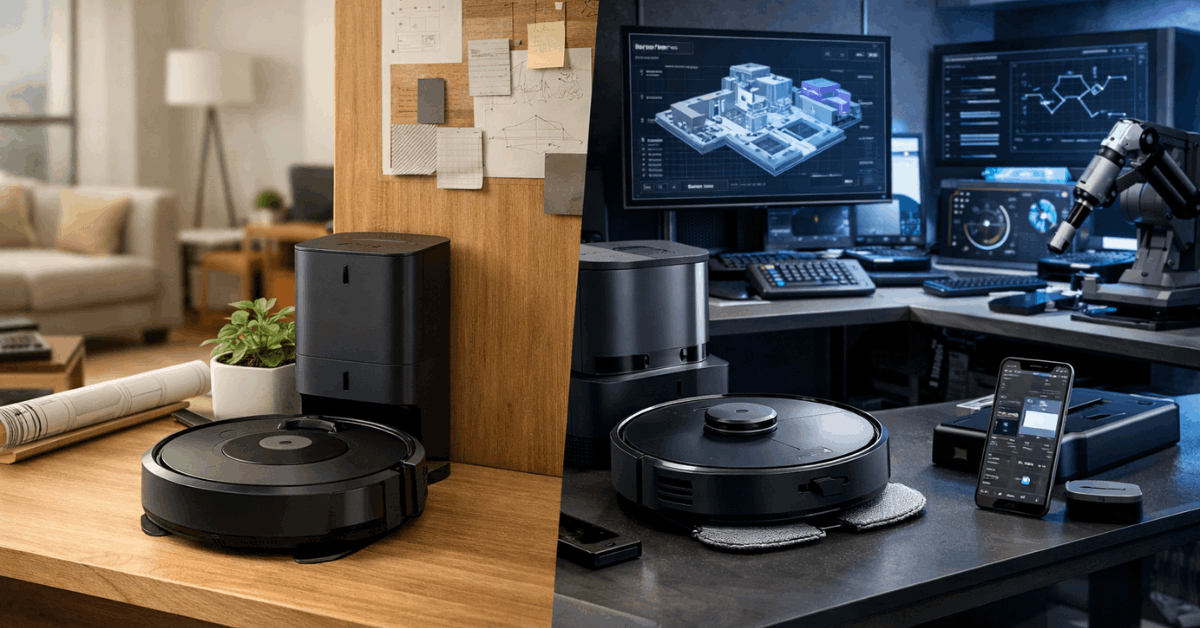
Roomba units often include auto-empty bases and adaptive navigation for tight spaces. Their interface is usually simpler, with fewer app-based customizations.
Roborock: Smart Features and Technical Power
Roborock puts innovation first, offering features like multi-floor mapping and mop-vac combos. The brand appeals to tech-savvy users who prefer deep control through apps.
Most units come with strong suction, LiDAR navigation, and precise mapping. You get more features per dollar, but with a steeper learning curve.
Performance in Daily Use
Daily performance reflects how well the vacuum handles ordinary cleaning tasks. You want consistency, minimal babysitting, and smart automation.
Navigation and Obstacle Handling
Both brands use mapping tech, but Roomba uses vSLAM while Roborock uses LiDAR. Roborock tends to map faster and with higher precision.
It avoids cords and furniture more effectively and can map multiple floors. Roomba’s newer models adapt over time but may require more initial manual setup.
App Control and Cleaning Modes
Roborock’s app has more control layers—zoned cleaning, custom routines, and virtual no-go zones. Roomba’s app is cleaner and simpler, ideal for users who want one-click cleaning.
Both offer Alexa and Google Assistant integration. Roborock edges out in remote control depth, but Roomba is easier to operate for beginners.
Cleaning Effectiveness and Suction Power
Roborock units typically offer more suction power per dollar, with newer models reaching 5100 Pa. Roomba balances suction with dual-brush systems designed for carpets and pet hair.
On hard floors, both perform well, but Roborock’s mopping option adds flexibility. Roomba is better for homes with lots of rugs or pets, while Roborock works well for mixed flooring.
Battery life also matters—Roborock vacuums last up to 180 minutes, compared to Roomba’s 90–120 minutes. That means fewer recharges in large homes. However, both support auto-docking and resume functions, which help complete larger cleaning jobs without manual resets.
Smart Features and Automation Options
Roborock offers advanced mapping, zone cleaning, and customized room-by-room scheduling. It also supports live mapping and smart re-routing when obstacles appear. Roomba focuses more on set-and-forget behavior, learning your patterns over time.
High-end Roomba models offer Clean Base self-emptying and smart scheduling with geofencing. Voice control works well on both, but Roborock offers finer voice commands for specific tasks.
If you like full app and assistant control, Roborock wins. If you want effortless automation, Roomba gets the job done with fewer taps.
Maintenance, Support, and Part Replacement
Maintenance affects long-term cost and ease of ownership. This section explains what to expect after months of use.
Cleaning and Upkeep
Roborock has washable filters and larger dustbins, which reduce cleaning frequency. Roomba’s self-emptying base is a time saver, but only on supported models.
You’ll need to replace filters, side brushes, and rollers on both brands every few months. Roborock parts are slightly cheaper but less available locally.
Repairs and Customer Support
iRobot has established support centers and easier access to service. Users report faster warranty responses and better global coverage.
Roborock relies more on email and online channels, with limited local repair options in some countries. In case of malfunctions, Roomba tends to get you back up and running faster.
Long-Term Reliability and Software Support
Roomba units maintain solid suction but may develop wheel or sensor issues. Filters clog faster if not cleaned regularly.
Roborock’s motors and batteries hold up well, but mapping bugs may appear after firmware updates. Both brands release updates, but Roborock’s often include new features while Roomba’s focus on fixes.
Support longevity matters too—Roomba supports older models longer, while Roborock focuses on newer releases. If you want a vacuum that improves over time, Roborock offers innovation. If you want stability and consistency, Roomba is safer.
Setup and Compatibility Fit
Roborock requires Wi-Fi and app setup before it can start cleaning. Mapping takes longer at first but becomes more reliable.
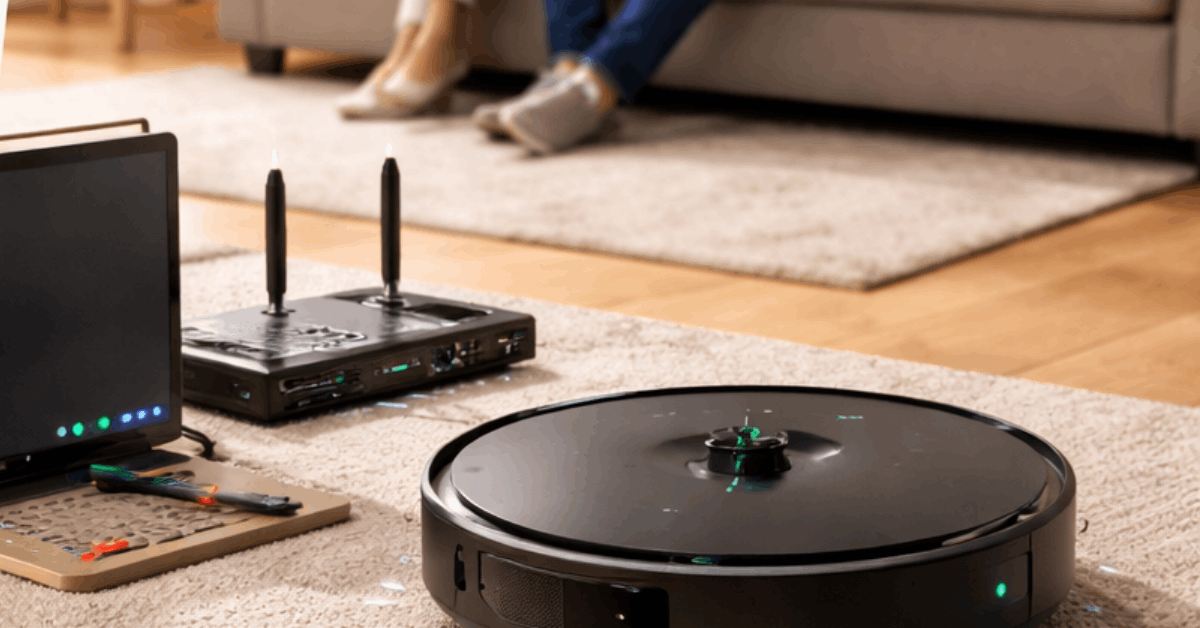
Roomba models are faster to set up and begin cleaning immediately. You’ll spend less time configuring, but more time adapting it to specific tasks.
For compatibility, both need stable Wi-Fi, but Roborock may struggle with mesh systems or low-bandwidth networks. Roomba is more forgiving and often works better out of the box in older homes. If setup ease matters, Roomba is more plug-and-play.
Known Limitations and Trade-Offs
Roomba vacuums are generally louder and take longer to map large homes. Some users also note limited app customization and missing features on lower-tier models.
Roborock, while quieter, sometimes struggles with narrow passages or raised thresholds. Its app can feel overwhelming, and updates may introduce bugs.
Mopping on Roborock is useful but not a replacement for manual mopping. Roomba’s models that include mopping (like the Combo series) cost significantly more. Choose based on what features you’ll use weekly, not what looks good in marketing.
Best Choice Based on Your Needs
You now know how each robot vacuum performs in real-world conditions. The last step is choosing based on usage patterns.
If you want ease, proven service, and no learning curve, Roomba is better for you. It works reliably, offers strong support, and handles carpets and pets well.
If you care about advanced mapping, mopping, and more control, Roborock gives you more per dollar. It’s ideal for smart home users or large homes with multiple zones.
Final Verdict: Which One Deserves a Spot in Your Home?
You came here wondering Which Product Is Worth Buying between the iRobot Roomba and the Roborock.
Now you have a clear picture of their strengths, weaknesses, and long-term performance. For simplicity and support, Roomba is a safe investment.
For features and control, Roborock delivers exceptional value. Choose based on what you’ll use regularly, not what sounds impressive on paper.