A cleaner can look impressive in a product video and still become irritating during a normal week. Everyday cleaning performance means handling crumbs, pet hair, muddy marks, and small spills when they happen.
This guide compares Dyson, Shark, iRobot, and Bissell through real household routines, not a universal winner’s list. The useful choice depends on floors, storage, schedule, pets, and the upkeep you will realistically do.
Start With the Mess That Repeats
Before comparing brands, notice the job that repeatedly steals your time. A small hard-floor apartment needs something different from a home with stairs, carpet, children, and shedding animals.
That pattern identifies the main cleaning task and prevents an expensive extra from sitting unused. Start with the job you most want to make easier.
Quick Pickups Need Speed and Easy Storage
For crumbs, sofa hair, and entryway dirt, a cordless stick model may work because it can be grabbed, used, and put away quickly.
Check dock placement, bin size, and whether it reaches beneath furniture. The useful option offers fast access and enough usable runtime for your normal route, not simply the biggest figure on the box.
Carpets, Pets, and Spills Need Different Solutions
A dry vacuum removes loose debris, while a wet-dry machine may suit fresh spills on compatible hard floors. Neither replaces every other method. Thick rugs, delicate floors, sticky messes, upholstery, and stairs can need different tools.
Match the cleaner to surface conditions and the mess type, rather than expecting one device to cover every task.
Dyson and Shark Fit Different Manual-Cleaning Habits
Dyson and Shark are often compared, but their best fit depends on the model and the home. One buyer may value a light cordless machine for touch-ups; another may need an upright for longer sessions.
Compare the exact design and storage needs. Ask whether the cleaning format suits your routine and the maintenance work seems manageable.
Dyson May Suit Frequent Cordless Touch-Ups
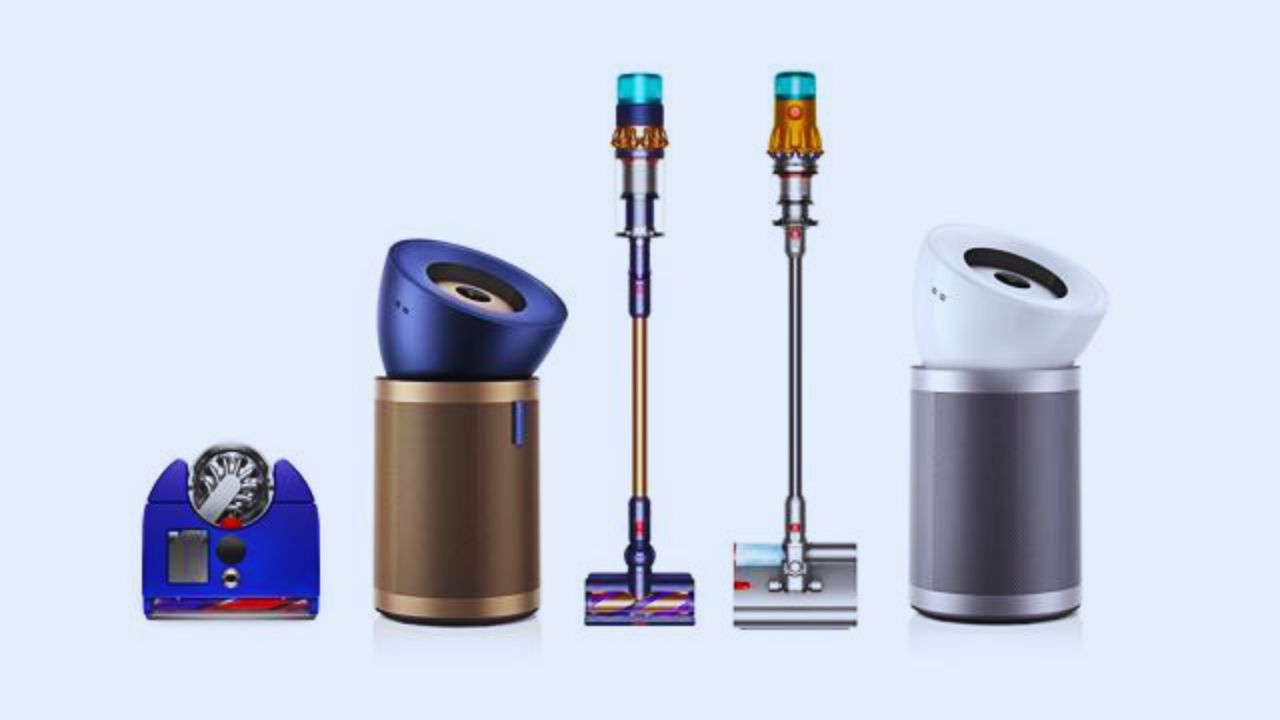
Dyson sells cordless, corded, robot, wet-and-dry, and specialist floorcare machines, so its name does not settle the choice. A cordless model may suit stairs, upholstery, cars, or kitchen debris when a full-size cleaner feels inconvenient.
Check bin capacity, attachments, charging space, and filters. Its appeal is easy reach during the day, not zero upkeep afterward.
Shark Can Fit Longer Manual Sessions
Shark offers upright and cordless vacuums for different floor types, hair pickup, and cleaning styles. A corded or upright option may suit a larger space where uninterrupted cleaning matters more than a light handle.
Check weight, cord reach, storage height, brush-roll access, and included tools. This puts whole-home coverage beside handling effort, instead of treating a lower price as automatic value.
Robot Vacuums Work Best as Routine Maintenance
A robot vacuum may reduce daily dust, crumbs, and loose pet hair between deeper cleans. It cannot handle stairs, upholstery, careful edge work, wet spills, or every post-weekend mess.
Clear pathways, dock space, and brush care still matter. Treat automation as background support, not a hands-free solution for every task.
iRobot Can Work in Open, Predictable Rooms
iRobot sells Roomba robot vacuums and mops with different navigation, dock, and cleaning features. A Roomba may suit open rooms, reliable Wi-Fi, a regular schedule, and space near an outlet.
Consider cords, toys, chair legs, thresholds, and brush checks. Value comes from repeat schedules and clear floor paths, not leaving the room untouched.
Do Not Buy a Robot for Problems It Cannot Reach
Robots are less helpful where floors stay cluttered, rugs are thick, rooms have levels, or spills need immediate care. They can still collect daily dust, but another tool is needed for furniture, stairs, corners, and detail work.
Check mapping and obstacle features against your layout. This protects your automation budget and prevents unrealistic expectations about what a robot can finish alone.
Wet-Dry Cleaning Saves Passes but Adds Aftercare
Bissell CrossWave-style machines vacuum and wash compatible surfaces in one pass.
That can help with sealed hard floors, pets, or recurring food spills, but tanks, brush rolls, formula, and drying space become part of ownership.
Fewer passes during cleaning may not mean less work later. Weigh the wet-cleaning benefit against the after-use routine before choosing.
Check Floor Rules Before Adding Water
Read the manual for your exact floor type and model before using a wet-dry cleaner.
Sealed hard floors and some area rugs may be compatible, while unsealed wood, delicate finishes, or certain carpets need another approach.
Check tank size, power setup, and edge access. This links safe floor care with sensible expectations, rather than risking moisture damage.
Rinsing and Drying Are Part of the Session
A wet cleaner becomes inconvenient when a dirty tank remains full after a quick kitchen pass. Empty it, rinse the necessary parts, and allow components to dry as instructed.
When that routine will not happen reliably, a vacuum and mop may be easier. Real convenience depends on post-clean upkeep and available drying space, not merely on combined functions.
Compare Ownership Work, Not Only the Price Tag
A sale price does not cover filters, bags, brush rolls, formula, batteries, docks, or replacement tools. It also excludes time spent washing parts, detangling hair, and clearing blockages.
Find the common parts most likely to wear and check local availability before buying. That turns a headline discount into an honest ownership picture.
Also Read: Top Products Ranked by Overall Value
Keep the Final Check Brief and Personal
Limit the shortlist to two or three machines that solve the same main problem.
Then compare details that will shape the first month, not just the sale page. Keep it tied to home limits and your cleaning frequency:
- Floor type, pet hair, spills, rugs, stairs, and layout.
- Storage, charging, noise, weight, and maintenance time.
- Filters, bags, brush rolls, batteries, and formula costs.
Choose the Tool You Will Still Use on a Tired Evening
The right cleaner is not always the strongest, quietest, or most automated model. It is the machine you can reach, run, empty, clean, and store when time is short.
Picture where it will live and what follows when its bin, tank, brush, or battery needs attention. Buying around ordinary home habits creates more lasting usefulness than buying around dramatic claims.
That picture reveals whether convenience will survive the first busy month or fade quickly once the new machine becomes familiar.