In daily use, core specs decide comfort, stability, and convenience. This snapshot focuses on ANC behavior, real battery endurance, codec support, and durability ratings.
Platform extras like iCloud switching, Find My, LDAC, and multipoint show where each pair fits best. Treat this as a fast filter so you focus on the right features.
Core Specs and Ecosystem Fit
A short overview clarifies what matters daily, without drowning in brochure copy. This side-by-side highlights noise cancelling, battery claims, codec support, ruggedness, and platform extras that actually change your experience.
Treat this as the quick filter before going deeper on sound, comfort, and controls.
| Key Area | AirPods Pro 2 | Sony WF-1000XM5 |
| ANC & Transparency | H2-powered ANC, Adaptive Audio, Conversation Awareness, very effective Transparency | Dual-processor ANC, excellent isolation, strong ambient controls |
| Battery (buds/case) | About 6 hours per charge, roughly 30 hours total with case | About 8 hours per charge, roughly 24 hours total with case |
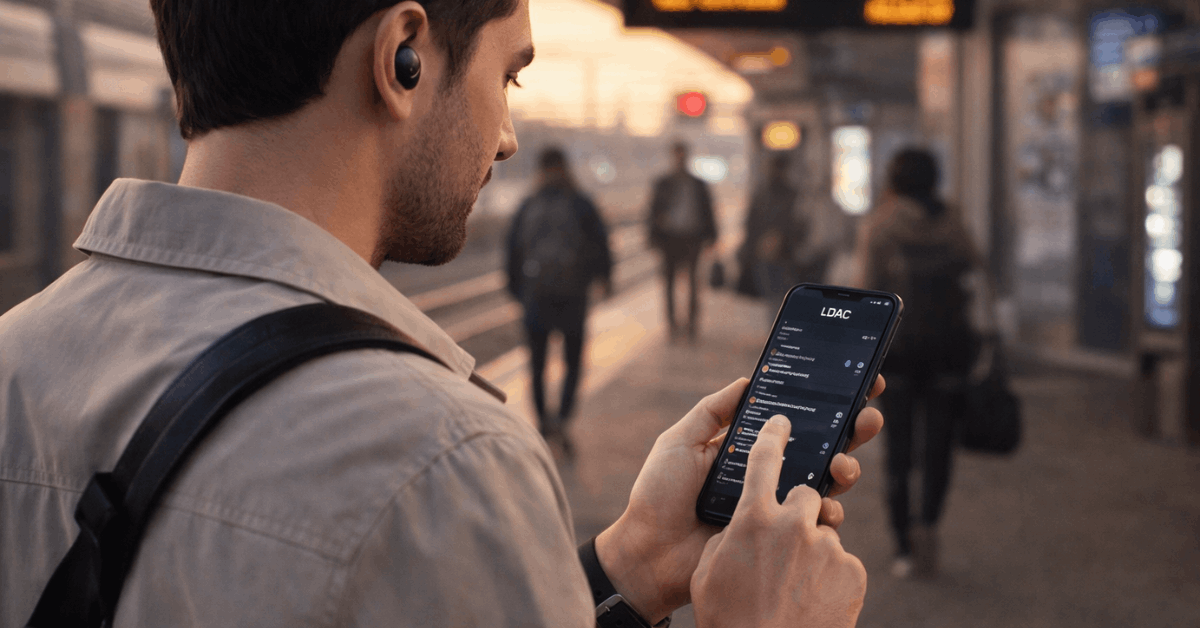
| Codecs | AAC over Bluetooth, no LDAC or aptX; special lossless mode only when paired to Apple Vision Pro | SBC, AAC, LDAC over Classic; LC3 over LE Audio where supported |
| Water/Dust Rating | IP54 for buds and USB-C case | IPX4 for buds |
| Ecosystem Perks | Seamless iOS pairing, iCloud switching, Find My case features | Robust Android support, multipoint, app EQ and 360 Reality Audio |
Sound and Tuning
Real differences appear in tonal balance and midrange presence. Short listening sessions can disguise these shifts, while commutes and desk hours expose them consistently.
Expect safe, mainstream tunings from both, then decide whether a more forward midrange or a slightly fuller low end better fits your library.
Bass
In modern pop, hip-hop, and electronic playlists, both models hit clean sub-bass without drowning the mix. AirPods keep bass punch tidy so mids breathe, which helps vocal-centric tracks maintain articulation at commuter volumes.
Sony adds a touch more weight at the low end when the midrange dips, creating a warmer, bottom-leaning balance that many listeners enjoy with streaming masters that have bright top ends.
EQ tools in Sony’s app can nudge emphasis tighter if the factory curve feels too plush.
Midrange
Clarity lives here, and AirPods Pro 2 earn their reputation for consistent, natural mids that let vocals, strings, and brass sit correctly in the scene.
Sony WF-1000XM5 remains enjoyable yet slightly recessed through the mids in stock tuning, which pushes some singers a step back compared to Apple’s more present approach. Sensitive ears notice this in acoustic and indie tracks most, where intimacy matters.
Highs
Treble behavior is restrained on both, which avoids glare and sibilance in harsh recordings. AirPods add a bit of sparkle that helps solo instruments lift above dense arrangements without fatigue.
Sony maintains smoothness and avoids shout, pairing well with LDAC on Android when streams or local files carry richer top-end detail.
Noise Cancelling and Transparency
In aircraft cabins and buses, both mutely low-frequency rumble convincingly. AirPods Pro 2 layer Adaptive Audio and Conversation Awareness on top of the base ANC and Transparency stack, which automatically lowers volume and opens mics when voices nearby trigger the feature.
Sony’s dual-processor ANC and memory-foam tips deliver excellent raw attenuation, and Ambient Sound modes remain flexible for walking and office use.
Comfort, Fit, and Controls
Long sessions highlight fit more than quick demos. AirPods Pro 2 use soft silicone tips across multiple sizes and a low-nozzle angle that seats comfortably for many ear shapes, aided by in-ear pressure relief.
Sony’s memory-foam tips isolate well and stabilize the earbuds, though some ears experience gradual pressure buildup during 90-minute listening blocks, prompting some owners to switch to third-party silicone tips.
On-stem and touch controls are responsive on both, and AirPods add precise volume swipe controls that become second nature after a week.
Battery and Charging
Weekend errands and long commutes benefit from honest battery estimates more than theoretical maximums. AirPods Pro 2 typically reach about six hours per charge, then stretch to roughly thirty hours including the USB-C case, which aligns closely with independent testing and Apple’s published figures.
Sony WF-1000XM5 regularly posts around eight hours per charge and about twenty-four hours total with the case, trading a bit of case stamina for longer single-session endurance.
Wireless charging support and fast top-ups are available on both families. This section quietly favors the Sony WF-1000XM5 battery life if daily use involves extended, continuous playback.
Connectivity and Codecs
Codec support influences ceiling quality on Android and shapes future-proofing. Sony WF-1000XM5 LDAC support enables higher-bitrate Bluetooth streams on compatible devices, and LC3 arrives where LE Audio is enabled. Multipoint lets two devices stay connected at once, which is handy for laptop-phone workflows.
AirPods Pro 2 emphasize platform intelligence rather than codec variety, using AAC over Bluetooth and skipping aptX and LDAC entirely, while unlocking a special 20-bit, 48 kHz lossless mode only when paired to Apple Vision Pro.
For Android owners, AirPods Pro 2 Android use remains basic Bluetooth with media and calls, without Spatial personalization or automatic switching. AirPods Pro 2 Spatial Audio still works best inside Apple’s ecosystem, especially for TV and Apple Music Dolby Atmos content.
Calls and Mic Performance
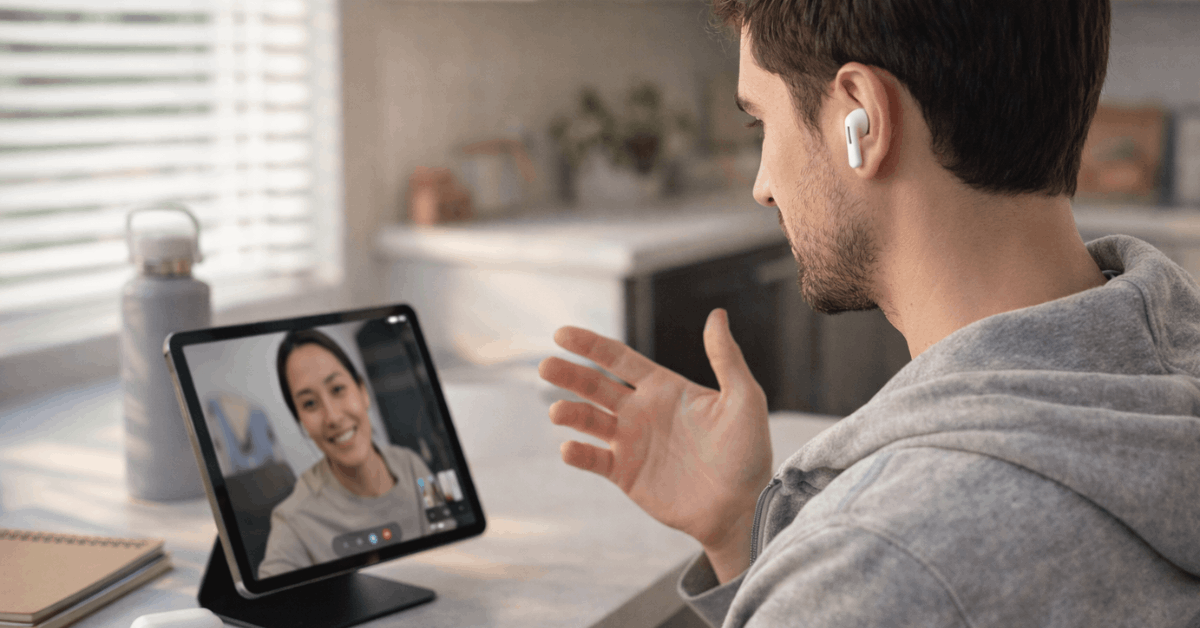
Office call blocks and windy sidewalks reveal mic priorities. AirPods Pro 2 typically present voices clearly in mixed environments, aided by consistent beamforming and noise control that favors speech intelligibility.
Sony WF-1000XM5 handle indoor calls well and suppress low rumbles effectively outdoors, though certain reviewers note that foam tips and deep insertion can slightly color your own voice monitoring compared to Apple’s airier seal.
Either way, both deliver professional results for everyday calls and video meetings when placement and tip fit are dialed properly.
Value and Alternatives
Sale pricing swings week to week, which is why value depends more on platform fit than sticker numbers. Galaxy Buds3 Pro provide a lively, engaging tuning and deep Android integration, while Sennheiser Momentum True Wireless 4 cater to listeners who want energetic bass and detailed highs with app control depth.
Bowers & Wilkins Pi8 bring premium build, refined sound, and strong connectivity for buyers leaning upscale, landing as a credible alternative to both Apple and Sony in sound quality and finish.
Shortlists should start with ecosystem alignment, then move to sound profile and tip comfort rather than chasing every firmware feature.
Pick One In 30 Seconds
A quick, situational guide helps finalize the decision without second-guessing. Each line reflects the balance of tuning, features, and platform behavior verified across official specs and long-term tests.
- Choose AirPods Pro 2 if midrange clarity, Adaptive Audio tricks, and seamless iOS switching matter most in daily routines.
- Choose Sony WF-1000XM5 if longer single-charge stamina, LDAC playback on Android, and app EQ flexibility outrank ecosystem automation.
- Choose AirPods Pro 2 if Transparency quality and conversation-friendly behavior must feel natural during office and travel use.
- Choose Sony WF-1000XM5 if memory-foam isolation and stronger bass warmth better match commuting noise and preferred genres.
- Choose either if top-tier ANC is the non-negotiable requirement, then let platform and sound taste break the tie.
Last Thoughts
Daily comfort, clear mids, and iOS magic tilt the overall recommendation toward AirPods Pro 2 for most iPhone owners.
Android users who value higher-bitrate Bluetooth and longer single-session battery life will be delighted with Sony WF-1000XM5, especially after tip fitting and a few minutes of EQ refinement.
Treat both as excellent, then prioritize midrange presence versus codec flexibility to keep the choice simple and durable beyond the first month.