
In many homes, the kitchen still hosts everyday life while quietly gaining serious tech. The Kitchen Appliance Catalog for Smart Planning organizes choices that actually improve cooking flow, air quality, cleaning time, and energy use.
Focus leans toward uniform specs, clear price tiers, and configuration tips that reduce costly layout mistakes. After scanning the tables and checklists, finalize candidates using the filters and planning notes that match real habits.
Energy-efficient designs and safer surfaces reduce operating costs and stress during busy evenings. For most households, the right set pairs a dependable smart oven, a compatible hob, and a quiet, effective range hood.
How Smart Kitchens Work
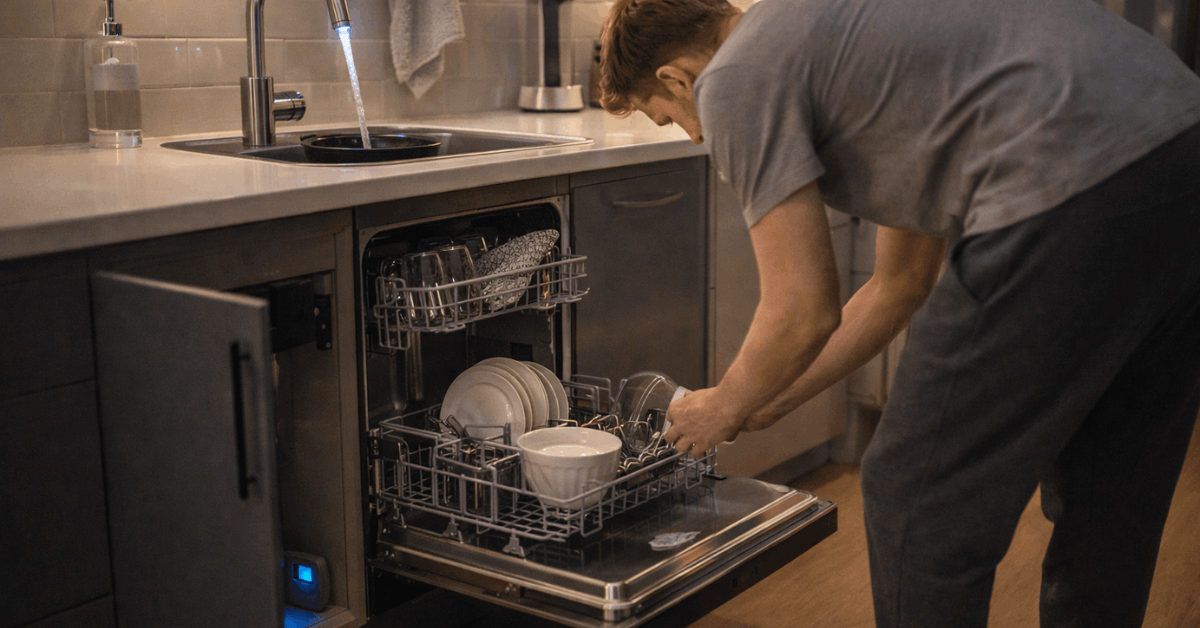
Smart appliances combine local sensors and wireless connectivity to cut manual steps during prep and cleanup. Voice commands and app controls trigger preheats, ventilation, and wash cycles without reaching for knobs.
Internal cameras, microphones, and lighted displays support helpful prompts, timers, and visual checks. Energy monitoring and maintenance reminders keep systems efficient while flagging issues early.
Connectivity typically uses Wi-Fi for away-from-home control and Bluetooth for short-range device coordination. Common examples include a hood that starts automatically when the hob reaches a set temperature or humidity threshold, and a dishwasher that schedules silent cycles overnight.
Catalog Schema and Filters
Short guidance here helps narrow the list quickly, then the tables standardize specs for fast comparison.
Fast Filters For Confident Shortlists:
- Prioritize displays and controls that remain readable and usable with wet hands.
- Check update cadence, cloud account requirements, and local control options for Wi Fi kitchen appliances.
- Confirm ventilation needs early using a sensible range hood airflow calculator and room volume.
- Select Energy Star kitchen appliances where available to control operating costs over time.
- Plan electrical circuits for high-draw devices, including induction surfaces and fast-heat ovens.
Ovens Catalog
Smart ovens center on even heat, accurate sensors, and cleaning programs that actually get used. Strong picks balance convection or steam with credible temperature stability, quiet fans, and door insulation that preserves comfort in small kitchens.
Connectivity should add real value, such as remote preheat, cooking program sync, and service diagnostics.
| Type | Capacity | Heating Methods | Connectivity | Cleaning | Notable Features | Price Tier |
| Single Built-In Smart Convection Oven | 65–75 L | True convection, grill, rapid preheat | App control, voice prompts, remote preheat | Pyrolytic or catalytic liners | Multi-level temp probes, guided recipes, child lock | Mid |
| Steam Combi Oven | 45–50 L | Steam, convection, sous-vide programs | App control, cooking library sync | Easy-clean enamel | Precise humidity control, nutrient-friendly steaming | Premium |
| Double Oven Tower | 100–115 L total | Independent zones, fan assist | App scheduling, notifications | Pyrolytic main, steam clean top | Holiday capacity, parallel cooking | Premium |
| Compact 45-cm Oven | 40–50 L | Convection, grill | App control, remote timers | Steam clean | Space saver for small households | Mid |
| Built-In Smart Oven, Home Connect compatible ovens | 60–72 L | Convection, grill, specialty modes | Program transfer, voice assistants | Pyrolytic | Accessory recognition where supported | Premium |
Set the preferred rack position into user profiles, enable lockout to prevent accidental starts, and keep remote preheat geo-fencing on for safety. For careful bakers, a smart oven buying guide should emphasize temperature validation with an independent oven thermometer during the first week.
Hobs Catalog
Choice depends on speed, control, cookware, and cleanup routine. Induction excels for rapid boils and precise low heat, gas still wins for open-flame control and universal pot compatibility, while modern radiant electric offers smooth glass surfaces that wipe fast.
Safety features such as residual heat lights and auto shut-off should be non-negotiable in busy homes.
| Type | Zones or Burners | Power & Boost | Surface & Cleaning | Safety | Best For |
| Induction Hob | 3–5 zones, bridging on select models | Fast boil, fine low simmer | Smooth glass, minimal spill bake-on | Pan detection, auto cut-off | Speed, control, cooler surfaces |
| Gas Hob | 4–6 burners, wok option | Strong flame control | Enameled supports, dishwasher-safe grates | Flame failure device | Round-bottom pans, visible heat |
| Radiant Electric Hob | 4 zones | Consistent moderate power | Smooth ceramic glass | Residual heat lights | Easy cleaning, rental upgrades |
| Induction Flex Zone | 2 large flexible areas | Pan-position sensing | Seamless top, quick wipe | Child lock, timer per zone | Griddles, odd-shaped cookware |
| Domino Modules | Mix of gas, induction, teppan | Varies by module | Individual sections | Individual safety features | Custom layouts, narrow spaces |
Those asking about induction hob vs gas usually care about cookware and speed first. For easy cleaning, prioritize continuous surfaces and confirm that pan supports on gas variants are actually dishwasher safe.
Range Hoods Catalog
Effective ventilation protects indoor air, cabinetry, and comfort. Selection starts with the mount type, then airflow sizing and acoustic performance. Island spaces often prefer ceiling or island hoods, while wall or under-cabinet units suit most galley layouts.
Ducted extraction removes contaminants outdoors, recirculation filters, and returns air when ducting is impractical. Strong planning assumes replacement of room air close to ten times per hour, scaled to the actual kitchen volume.
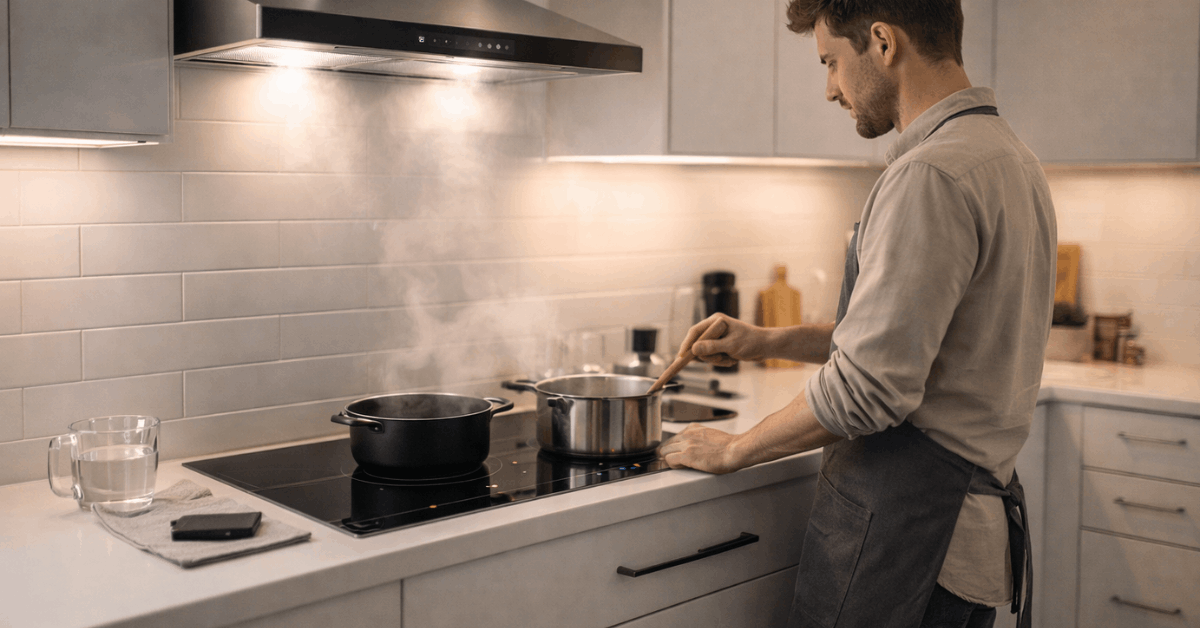
Quiet operation matters in open-plan spaces, so compare decibel ratings at typical rather than maximum speed. Automatic Bluetooth triggers coordinate start and stop with hob heat, and clean-filter reminders prevent weak capture over time.
Microwave, Dishwasher, and Sink Upgrades
Smart microwaves add scan-to-cook databases, humidity sensors, and reliable defrost routines that respect food texture. Over-the-range versions combine task lighting and ventilation, while countertop units free builders from cabinet modifications. Voice prompts that set time and power help during messy prep when hands stay occupied.
Dishwashers benefit most from quiet motors, adjustable racks, soil sensors, and leak protection trays with shutoff valves. App scheduling lets families run cycles during off-peak hours or while rooms stay quiet. Shoppers in narrow flats should confirm compact dishwasher dimensions for 45-cm and drawer-style units, including door swing and kick space.
Smart faucets assist cooks who juggle ingredients and knives. Touch and touchless triggers reduce cross-contamination, measured dispensing improves baking accuracy, and voice-assisted presets set pot and bottle volumes. Leak detectors under sinks and behind appliances send alerts early, avoiding swollen cabinets and buckled floors.
Refrigeration and Food Storage
Connected refrigerators range from simple cameras that show shelf contents to full smart hubs that run calendars, lists, and video calls. Families that shop once weekly benefit from door-in-door access for most-used items, which limits full-door openings and keeps temperatures stable.
Barcode tracking and manual entry both help manage expiry dates, snack counts, and bulk purchases. Seals, compressor efficiency, and lighting matter daily, particularly in warm climates and busy households.
Selecting Energy Star kitchen appliances that are eligible controls electricity spend while maintaining strong cooling. Interior layout should fit real food habits, so place high-use items at eye level and zone drawers for meat, produce, and dairy.
Smart Home Extras For Kitchens
Safety devices belong in every plan. Smart smoke and carbon monoxide detectors push alerts to phones and allow quick silence once hazards resolve. Room-level leak sensors watch sinks, dishwashers, fridge lines, and RO systems, then trigger water shutoff valves where supported.
Lighting that adapts brightness and color temperature improves prep clarity and evening relaxation without rewiring, since many bulbs retrofit standard sockets.
Cooking scenes can start task lights, set hood speed, and preheat the oven, while cleanup scenes start the dishwasher and dim lights on a timer. Presence detection keeps lights and screens off when rooms stay empty, which saves energy and reduces glare.
Planning Guidelines and Clearances
Short, practical steps here prevent the most common layout issues across new builds and remodeled spaces.
- Measure appliance doors, handles, and aisle widths to prevent collisions during simultaneous use.
- Keep hood clearances consistent with manufacturer manuals, then align hood width and depth accordingly.
- Reserve dedicated circuits for high-draw ovens and induction surfaces, including allowance for future upgrades.
- Place dishwashers near sinks to simplify plumbing, then test full-open clearances against adjacent drawers.
- Verify ventilation routes early to avoid long, restrictive duct runs that raise noise and lower capture.
Price Tiers and Typical Fits
Entry appliances cover basic needs at the lowest cost, often skipping advanced sensors and top-speed programs. Mid-tier choices add stronger cleaning, faster heat, and more durable finishes.
Premium lines layer in guided cooking, better acoustics, and longer warranties. Foldable concepts do not apply here, so the highest kitchen tier focuses on stainless steel builds, robust motors, and the most complete smart feature sets.
Budget planning works best when total electrical, ducting, and cabinetry changes are included alongside appliance tags. For many projects, spending a little more on a quieter hood and a safer hob returns daily comfort greater than cosmetic upgrades.
Conclusion
In the end, a clear plan beats impulse upgrades every single time. Start with the schema, apply the fast filters, then confirm ventilation, power, and clearances before committing.
Smart features should serve daily habits, not complicate them, so prioritize readable controls and reliable updates on one network.
Energy-efficient models, quieter hoods, and safer hobs return comfort every day while keeping bills predictable. After shortlisting, revisit layout notes once more and order the set that fits how your kitchen actually runs.