
This comparison guide is designed to help first-time buyers make clear and confident purchasing decisions.
You see how products compare using simple criteria such as price, features, usability, and long-term value.
Use this guide to avoid common mistakes and choose the option that fits your needs without overcomplicating the process.
What First-Time Buyers Should Focus On
First-time buyers need clarity, not complexity. You should focus on factors that reduce risk and make everyday use easier.
These points help you choose confidently without overbuying.
- Budget and price range — Set a clear spending limit and avoid stretching your budget for features you may not use.
- Ease of use — Choose products that are simple to set up and operate from day one.
- Essential features only — Focus on core functions instead of advanced extras that add confusion.
- Quality and reliability — Look for solid build quality and consistent performance over time.
- Support and warranty — Make sure help is available if something goes wrong.
- User feedback from beginners — Pay attention to reviews written by other first-time buyers.
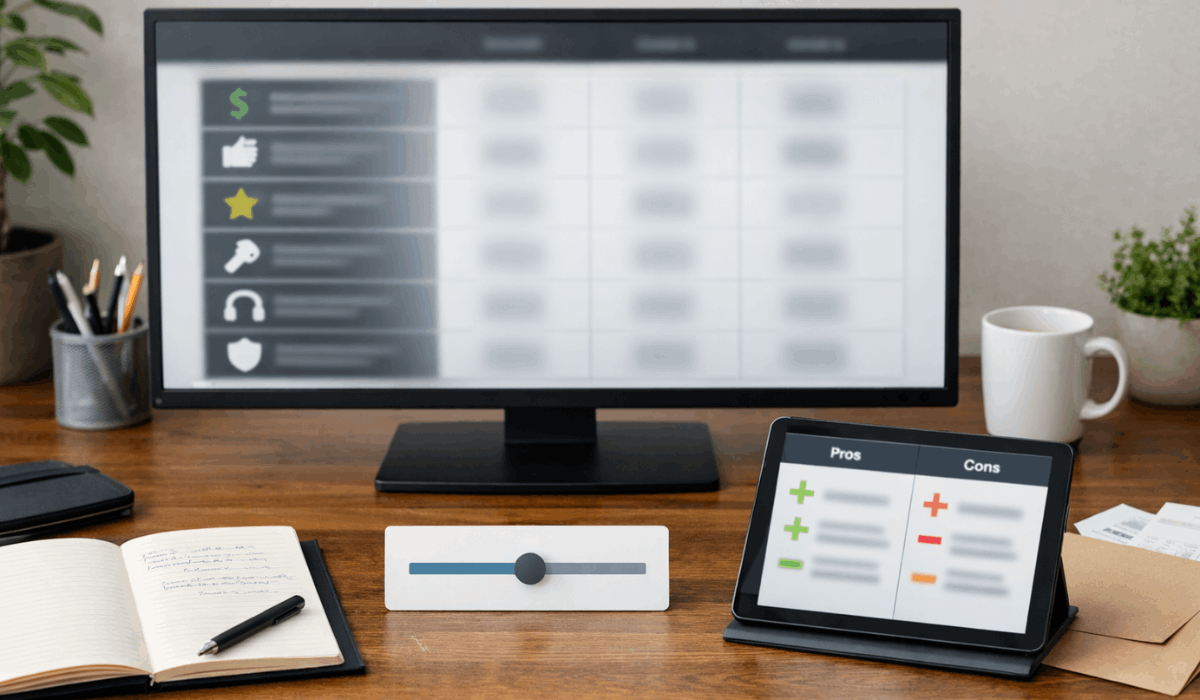
Key Comparison Criteria Used in This Guide
This guide compares products using clear and consistent standards. You can see differences that matter without technical confusion.
Each criterion focuses on real use and buying value.
- Price vs value — Compare the cost with what you actually get in everyday use.
- Ease of use — Evaluate how quickly you can start using the product without help.
- Core features — Focus on essential functions instead of optional extras.
- Quality and durability — Consider materials, build, and expected lifespan.
- Customer support — Check availability of help, guides, and service channels.
- Warranty and coverage — Review the protection length and what is included.
Side-by-Side Comparison Overview
A quick scan makes comparisons easier and reduces second-guessing. You can check key differences in one place and make a decision faster.
Options are grouped by budget and experience level.
- Starter pick — Basic performance for essential needs and lower budgets.
- Mid-range pick — Balanced mix of cost, usability, and useful features.
- Higher-value pick — More upfront cost with stronger long-term use.
- What changes between options — Clear differences in features and included extras.
- Cost gap — How prices increase and what you get for them.
- Best match — Which option fits your situation and usage style?
Pros and Cons Breakdown
Pros and cons help you compare options without getting stuck in the details. You can spot what helps you now and what may limit you later.
Each line starts with the main word, followed by a short description.
Advantages for First-Time Buyers
- Simplicity — Easy setup and clear daily use.
- Support — Help channels and beginner guides are easier to find.
- Accessibility — Designs feel straightforward and less technical.
- Value — Core features work without paying for extras.
- Confidence — Lower-risk choice that reduces regret.
- Learnability — You pick up the basics faster.
Common Limitations to Expect
- Limits — Fewer advanced features or settings.
- Performance — May struggle with heavy or frequent use.
- Upgrades — You might outgrow it sooner than expected.
- Durability — Entry tiers can use lighter materials.
- Coverage — Warranty terms can be shorter or narrower.
- Add-ons — Accessories may cost extra.

Understanding Total Cost of Ownership
The price you see is not the full cost. Ongoing expenses affect long-term value. You should factor these in before buying.
Maintenance and Replacement Costs
- Maintenance — Regular upkeep is needed to keep it working well.
- Repairs — Potential fixes outside warranty coverage.
- Replacement parts — Items that wear out over time.
- Service fees — Costs for professional support or servicing.
Accessories and Add-Ons
- Required extras — Items needed for full use.
- Optional add-ons — Extras that improve use but raise cost.
- Compatibility costs — Accessories that only work with specific models.
- Upgrade expenses — Add-ons needed as your usage grows.
Comparing Brands vs Generic Alternatives
Brand names are not always the best choice. You should compare based on function and support. Value depends on use, not labels.
When Brand Names Matter
- Reliability — More consistent performance over time.
- Support — Easier access to help and service.
- Quality control — Fewer defects and better consistency.
- Warranty — Clearer and longer coverage terms.
When Generic Options Are Enough
- Basic use — Simple tasks with no heavy demands.
- Lower cost — Reduced upfront spending.
- Short-term needs — Temporary or occasional use.
- Comparable features — Core functions match branded options.
When to Buy Now and When to Wait
Timing affects value and availability. You can save money or gain features by waiting. The right choice depends on urgency.
Buying During Sales or Promotions
- Lower prices — Immediate savings on standard models.
- Limited stock — Fewer options available.
- Older versions — Discounts often apply to past models.
- Short windows — Less time to compare carefully.
Waiting for Updated Models
- Improved features — Small upgrades that fix common issues.
- Better efficiency — Newer versions may perform better.
- Price drops — Older models often become cheaper.
- Longer relevance — New releases stay current longer.
Common Mistakes First-Time Buyers Make
First-time buyers often make avoidable mistakes that lead to frustration or wasted money.
You can reduce risk by knowing these issues early. Use this list as a quick check before buying.
- Price-only decisions — Choosing the cheapest option without checking quality or fit.
- Feature overload — Paying for tools or functions you do not need.
- Ignoring requirements — Missing compatibility, size, or usage limits.
- Skipping reviews — Not learning from other beginner experiences.
- No future planning — Overlooking how needs may change soon.
- Rushed purchases — Buying without comparing similar options.
How to Choose the Right Option for Your Situation
Choosing the right option depends on your actual needs, not marketing claims. You get better results when you match the product to how you will use it.
This approach keeps your purchase practical and cost-effective.
- Use case — Identify what you need the product to do day to day.
- Budget limit — Decide what you can spend without pressure.
- Skill level — Choose an option that matches your experience.
- Usage frequency — Consider how often you will use it.
- Growth needs — Check if the option can support light upgrades later.
- Support access — Make sure help is available when needed.
Quick Decision Guide for First-Time Buyers
Clear paths help you decide faster. You can match your priority to a recommendation. Use this section as a final filter.
Best for Tight Budgets
- Entry-level picks — Lowest-cost options still cover basic needs.
- Essential features — Extra add-ons are not included in the price.
- Lower risk — A safer starting point reduces regret.
Best for Simplicity
- Easy setup — Minimal steps get everything running.
- Clear controls — A low learning curve keeps usage straightforward.
- Minimal maintenance — Less upkeep is needed over time.
Best for Long-Term Value
- Balanced pricing — A slightly higher price improves durability.
- Upgrade potential — More room to grow as needs change.
- Extended support — Longer usefulness comes with better coverage.
Final Section: Making Your First Purchase With Confidence
This comparison guide brings structure and clarity to the buying process for first-time buyers.
Clear criteria, realistic trade-offs, and practical groupings help reduce uncertainty and prevent common mistakes.
Use this guide as a final checkpoint, review the options that match your situation, and move forward with confidence toward the right purchase.