Cheap items are not bargains when they leak, fray, or need replacing quickly.
Budget products ranked for daily needs should be judged around familiar tasks: packing lunch, charging a phone, cleaning a spill, or leaving for work.
This guide covers repeat-use essentials for home, study, and work without treating price as the only measure of value. It is for shoppers who expect basic reliability.
Start With the Item That Creates the Same Problem Every Week
Begin with the annoyance that keeps returning: a food container without a lid, a cable that charges at one angle, or pens that fail during a meeting.
Naming the recurring inconvenience gives the purchase a purpose and reveals the real limit to solve: time, space, durability, or comfort.
Buy for the Task, Not the Attractive Multipack
Large bundles look economical, but they become waste when items do not fit your cupboard, bag, skin, or devices.
Containers help only when sizes suit lunches and leftovers; cables help only when connectors suit your electronics.
Put daily fit before bulk savings and compare cost per usable item, not the total.
Think About Refills, Cleaning, and Storage First
A lower-priced product can create costs through cartridges, filters, replacement heads, batteries, or special cleaners.
It can be hard to keep when a small home lacks drying space. Picture the item after three uses.
That keeps ongoing upkeep visible and reduces the chance of an inconvenient bargain filling a shelf.
Household Basics Earn Their Place Through Repetition
For household goods, reliability often means a straightforward design that works without delicate parts.
A cloth should wash well, a bin should fit, and a cleaning tool should rinse. The useful low-cost option supports small routine resets without creating extra maintenance during a busy day.
Cleaning Supplies Should Be Easy to Reach and Reuse
Microfiber cloths, a sturdy brush, a spray bottle, and a compact dustpan cover quick jobs when kept where messes happen. Check that cloths dry, parts can be replaced, and handles feel secure.
Value comes from repeat access, not a dramatic label claim. Prioritise washable materials and sensible storage over decorative packaging.
Storage Works Only When It Fits the Actual Space
Before buying drawers, baskets, hooks, or boxes, measure shelf depth, doorway clearance, and what needs a home. Clear containers may suit cables or pantry supplies; soft bins may work for laundry or toys.
IKEA provides modular-storage examples, but dimensions and weight limits matter most. Aim for easy retrieval and visible limits so storage does not hide clutter.
Kitchen Purchases Should Match the Meals You Repeat
A useful kitchen item supports meals you make when tired, hurried, or feeding several people. A pan, kettle, lunch container, rice cooker, or measuring set need not be expensive, but it should clean easily and suit normal portions.
Start with meal patterns, not recipe trends. That avoids single-purpose gadgets that occupy cabinets after one weekend.
Containers and Cookware Need Simple Care Rules
Check lids, handles, care rules, and cooktop compatibility before buying. Containers work better when sizes stack and seals remain easy to open; pans last longer with suitable utensils and heat levels.
Consider everyday cleanup early because it influences tomorrow’s use. A low-cost item with clear care instructions can be safer than an unknown coating.
Choose Small Appliances by Frequency, Not Features
A compact kettle or rice cooker may suit a home that uses it several times weekly, while a large appliance may not suit occasional tasks.
Check capacity, cord length, local voltage, parts, and steam space. The useful model matches normal serving sizes and your counter space, rather than carrying functions you will never use.
Personal-Care Products Need Comfort and Reliable Replacements
Daily care products should fit your skin, teeth, hair, and budget without complicated routines. Choose cleanser, moisturiser, toothbrush, razor, or trimmer based on use frequency and what you can replace locally.
When irritation, pain, or persistent skin concerns arise, shopping is not the whole answer. Put personal tolerance before trends and check replacement availability before choosing a system.
Do Not Treat Every New Product as an Upgrade
A toothbrush timer may help one person brush consistently, while a manual brush may suit travel or shared bathrooms.
A fragrance-free moisturiser can be useful for sensitive skin, but no formula suits everyone.
Read labels and stop using products that cause problems. This keeps daily comfort central and avoids unnecessary switching between unsuitable products.
Tech Accessories Should Remove Small, Recurring Frustrations
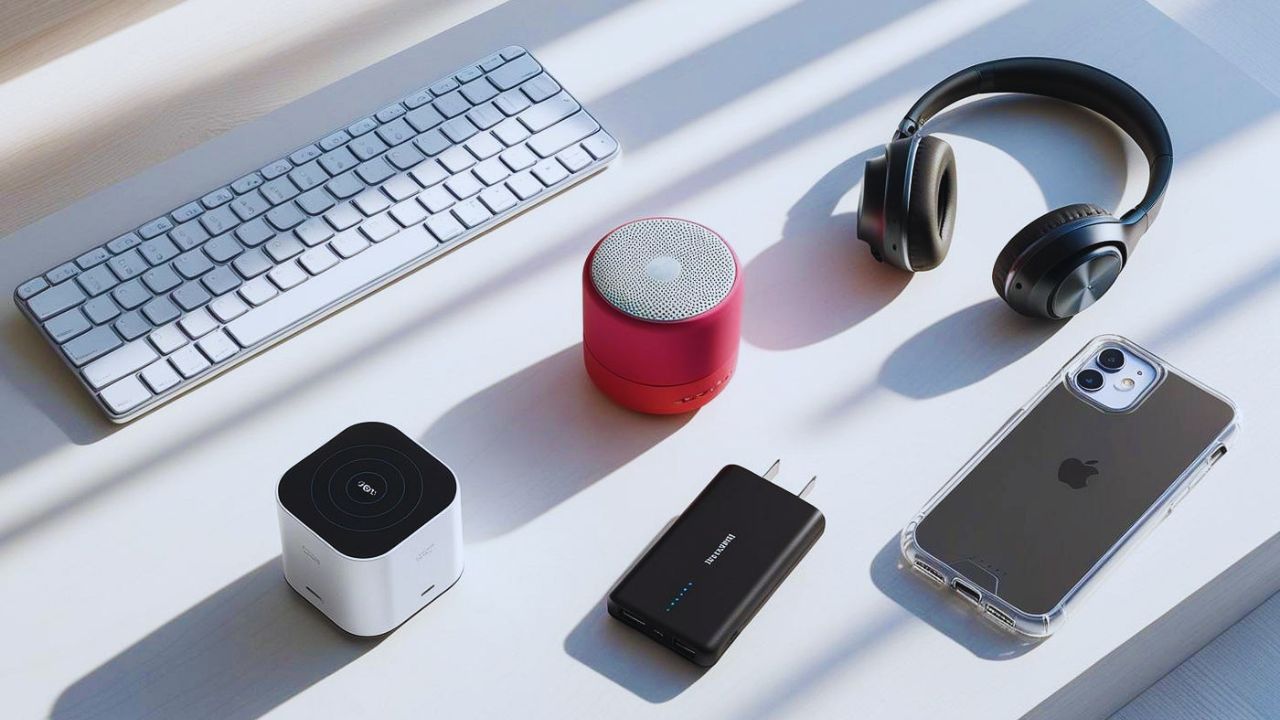
Cables, chargers, power banks, stands, and earbuds are easy to buy impulsively because they seem cheap. Their value appears later, when a plug fits, a device charges, or a stand improves screen height.
Compare connectors, power needs, and warranty. The goal is dependable compatibility, not a pile of cheap backups that fail differently.
Check Charger and Cable Specifications Carefully
A cable can look identical to another one but support different charging speeds, data transfer, or devices. Review manufacturer details before expecting it to power your devices.
Anker is one official site for comparing accessory categories and compatibility. Focus on device requirements first, then compare cable durability and local support.
Small Desk Tools Can Improve a Workday
A laptop stand, mouse pad, notebook, desk lamp, or cable clip helps when it removes a repeated physical irritation.
Choose a fitting stand, a glare-free lamp, and clips that work on your desk. These items should support better work flow without adding visual clutter to a limited workspace.
Also Read: Top-Rated Products That Actually Perform Well
Use a Short Check Before a Budget Purchase
Keep the final decision tied to the problem that caused you to shop. This review protects limited spending from checkout pressure and keeps ordinary use in view:
- Will it solve a task you handle at least twice most weeks?
- Can you store, clean, charge, or refill it without extra hassle?
- Are return terms and replacement parts realistic where you live?
Build a Budget Around Fewer, Better-Fitting Essentials
Budget products do not need to impress on a shelf. They should fit your space, survive normal handling, and remain easy to replace or maintain after the first month.
Begin with one repeated frustration, compare only items designed to answer it, and check exact details before paying. When practical use guides the purchase, everyday value becomes more reliable over time than a low price alone.