
Kitchen purchases become expensive when drawers collect tools that solve the same task. A demand-led catalog begins with items people repeatedly use, then tests them against your cooking routine, storage limits, and household habits.
It helps households buy fewer gadgets, replace worn basics more carefully, and avoid repetitive specialty tools. The result is a working kitchen system built around real meals, not trends or aspirational shopping.
Start With Demand, Then Check Your Kitchen
Demand can reveal products that solve a repeated problem. Treat repeat interest as a lead, then apply personal limits before it earns a place. Popularity can reflect availability or promotion as well as genuine usefulness.
Look for Repeated Interest, Not a Viral Spike
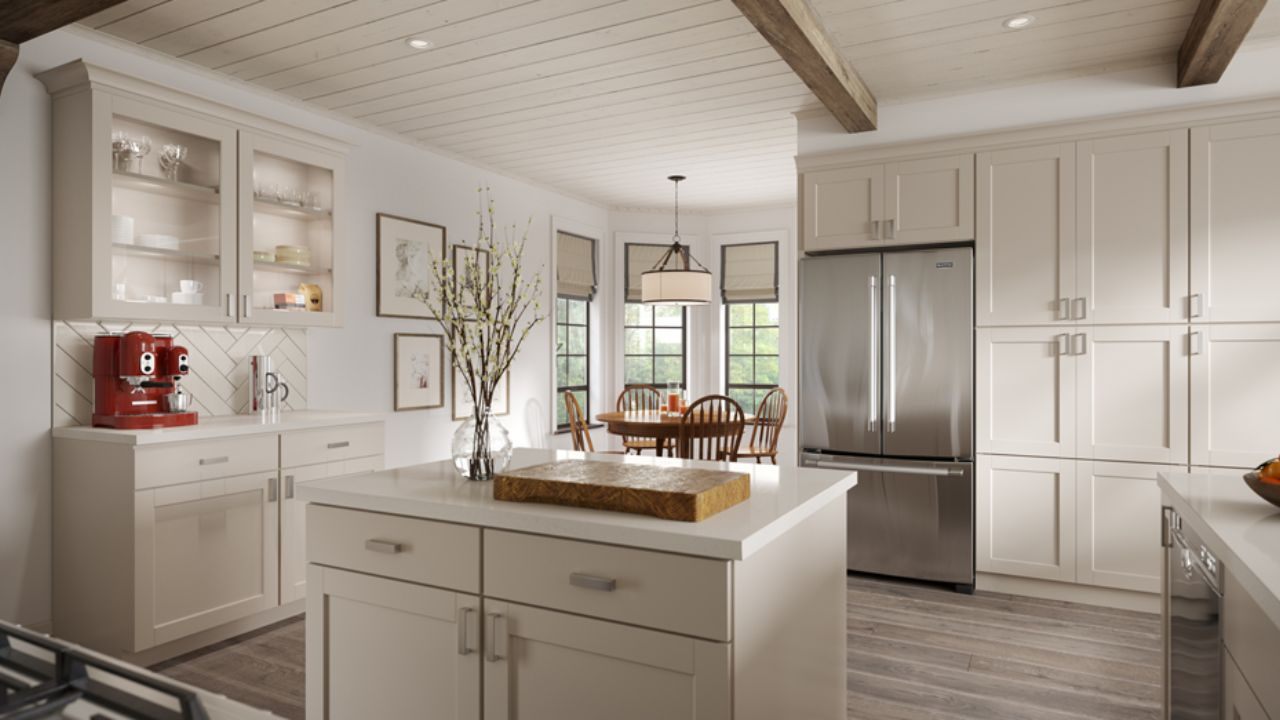
Check search interest, retailer categories, and review volume across several months and sellers. Stable attention suggests a repeat use case rather than a passing novelty.
Read recent feedback for quality changes after supplier or component revisions. Look for repeated satisfaction with the same task across cooking styles and households. Demand should start research, not send an item straight into your cart.
Test Demand Against Weekly Cooking
A popular appliance deserves points only when it removes work you already do. Think about weekly meals, batch cooking, leftovers, and ingredients you keep.
A large air fryer may not suit a household cooking soups, stews, or one-pan dinners. Record real frequency before rewarding presets or social-media visibility. This connects demand signals to your kitchen instead of someone else’s.
Organize Categories Around Kitchen Workflows
Organize the catalog around preparation, cooking, storage, serving, and cleanup. This exposes duplicate tools and missing basics before specialty items take over. It also keeps seasonal tools outside the core list for different meal schedules.
Put Cooking and Prep at the Center
Start with tools used in most meals: knife, board, pan, pot, tongs, and measures. Judge them for comfortable handling, cleaning, and recipe range.
A pan that sears, sautés, and enters the oven can replace several pieces. Keep small tools only when they reduce a repeated task without adding another cleanup step. Give daily utility more weight than matching sets.
Separate Storage From Cleanup
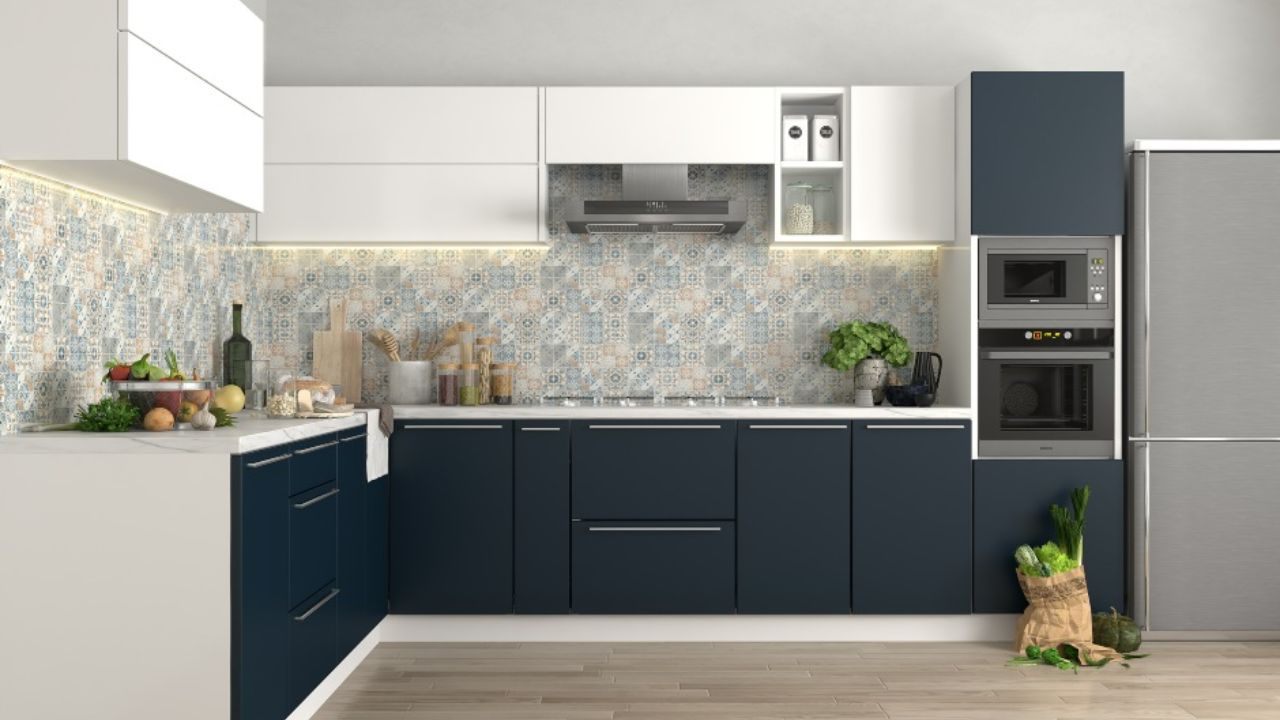
Storage becomes frustrating when lids mismatch and shelves become crowded. Keep containers, wraps, dish tools, and cleaning supplies in sections with capacity notes and lid compatibility.
Check refrigerator, freezer, lunch, and dishwasher use before buying sets for a family. Difficult-to-wash tools often become unused clutter. Separate sections reveal workflow problems before they fill cabinets.
Rank Items by Replacement Value
Demand alone cannot justify a permanent place. Ask what the item replaces, how often it works, and what ownership effort follows.
This keeps replacement value above novelty. It also makes the catalog easier to defend when a bundle appears under real household conditions.
Score the Friction That Appears Later
Give each candidate the same fields: weekly use, storage, cleaning, durability, and replacement cost. Add points when one tool handles repeat tasks across breakfast, dinner, and meal prep without weakening results.
Subtract points for food traps, delicate coatings, or easily lost pieces. Popularity cannot outweigh work that repeats every week in a crowded kitchen. This puts ownership reality ahead of long feature lists.
Keep Parts and Reordering Visible
The shelf price rarely covers a full year of use, especially during frequent meal prep. Note blades, filters, seals, batteries, liners, and other supplies.
Check whether parts use a proprietary system or have local availability. For consumables, record unit price and reorder frequency. This keeps ongoing cost visible before a bargain becomes expensive.
Also Read: Complete Catalog of Products by Category

Verify Finalists on Official Pages
Retail pages help compare price, but titles can merge bundles or older variations. Once only a few options remain, use official information to confirm exact ownership details. It is the best place to catch model differences and return conditions retailer summaries blur.
Check Blenders Against Your Actual Meals
Judge a blender by recipes, capacity, cleanup, storage, and safety guidance. Open the official high-performance blenders page to compare current lines and container options.
Then check batch size and cabinet space before assuming larger is better. Note special containers, blades, or care steps beside its score. Choose the model whose daily limits you clearly understand.
Check Storage Systems Before Buying Sets
A storage system can look neat online and still fail in your cabinets. Official pantry containers pages show available sizes, shapes, and components.
Measure shelf depth, cabinet height, and usual packages before treating stackability as useful. Record whether sizes share lids or accessories for replacement ease. Favor cabinet order that supports everyday cooking, not styled photographs.
Update the Catalog Without Constant Shopping
A useful catalog changes when evidence changes, not when packaging does. Set clear review triggers and keep brief ownership notes after ordinary use. That prevents new releases or new family needs from turning maintenance into constant browsing.
Refresh Only When Useful Facts Change
Review entries after recalls, price shifts, discontinued parts, warranty revisions, or repeated defect reports. Add a date and reason when an item moves.
Do not reshuffle rankings for new colors or celebrity endorsements. Archive older entries to compare actual improvements. This protects catalog history and your attention.
Let Real Use Change the Rankings
After several months, note what stays within reach and what remains untouched. Record products that create cleanup delays or require forgotten accessories.
A versatile item that never gets used should lose rank. Those observations reveal real habits and unnecessary duplicates. They make future purchases more accurate than brand descriptions.
Before adding a finalist, use these five quick checks and keep future costs visible:
- Name the weekly task
- Measure storage space
- Count cleaning steps
- Check parts availability
- Accept one tradeoff
Conclusion: Choose Fewer Tools With Better Evidence
A demand-led catalog should calm shopping, not turn every product into a need. Start with repeat demand, test it against daily cooking, and verify facts that could change the choice.
Keep the shortlist small and record each tradeoff before buying. Over time, it becomes a kitchen record that saves money, space, attention, and next month’s research.