Consumer demand is a useful signal because it shows what people repeatedly buy, replace, and search for across many stores and regions.
Consumer demand is useful when it reveals needs that survive a launch, discount, or viral post. This guide ranks product categories by repeat demand signals, then turns market interest into a smarter buying process.
It does not name a permanent winning brand because prices, service, and availability change by region. Instead, it identifies categories worth researching before you create a shortlist.
Define Demand Before You Rank
Demand is more than a product receiving attention for a week. It combines repeat buying, steady availability, and evidence that people keep replacing or using a category. Good rankings show their limits instead of pretending every country behaves alike.
Use More Than One Signal
Start with several indicators. Shipment reporting, retailer availability, search interest, and recent review activity each show part of the picture.
A category becomes stronger when signals agree over time. One bestseller page may reflect promotion or local stock. Use cross-source evidence and repeat patterns before calling demand durable.
Let Disagreement Lower Confidence
Demand changes by season, region, income, and replacement cycle. When sources disagree, lower the category or call it a watchlist.
Do not force incomplete information into a precise number. A ranking should begin research, not decide ownership. Keep regional variation and market uncertainty beside the order.
Eight Categories With Durable Demand
This is a practical framework, not a permanent global sales leaderboard. The categories combine everyday use, replacement cycles, and reported market activity.
Your priorities may change when compatibility, repair access, or budget matters more. It also prevents temporary promotions from distorting what counts as meaningful demand.
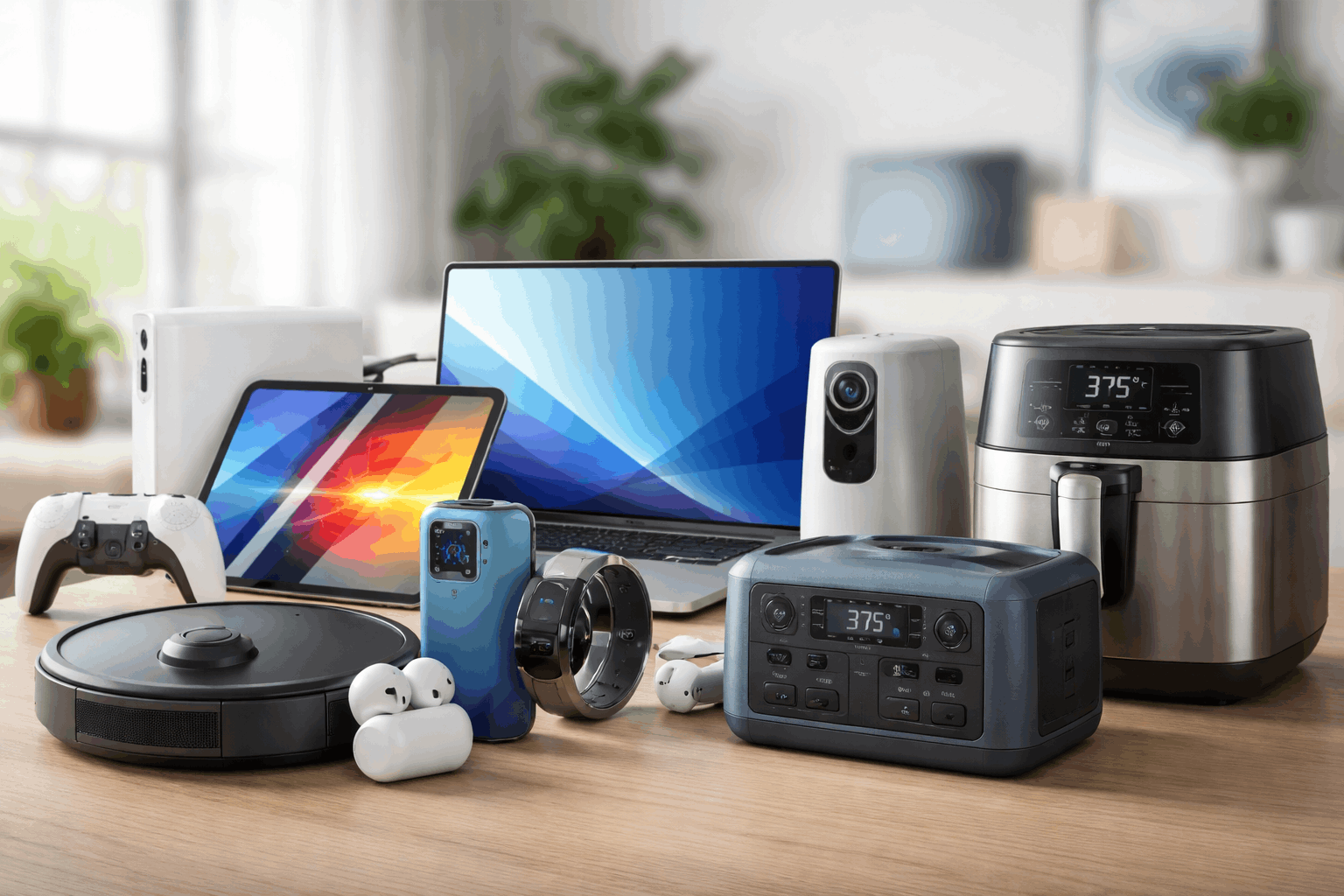
1. Smartphones
Smartphones lead because they support communication, payments, navigation, work, and cameras. Recent market trackers show continued large-scale shipment activity.
Check update support, storage, repair options, and battery condition. Low prices lose value when support ends early. Prioritize long-term updates and repair access over launch extras.
2. PCs and Laptops
PCs serve work, school, creativity, gaming, and upgrades from older systems. Recent reporting showed a strong 2025 refresh cycle.
Choose memory, storage, ports, keyboard comfort, and warranty for your tasks. Do not buy power you will never use. Put real workloads and service coverage before marketing labels.
Also Read: Product Catalog Based On User Demand: Kitchen Essentials That Buyers Actually Choose
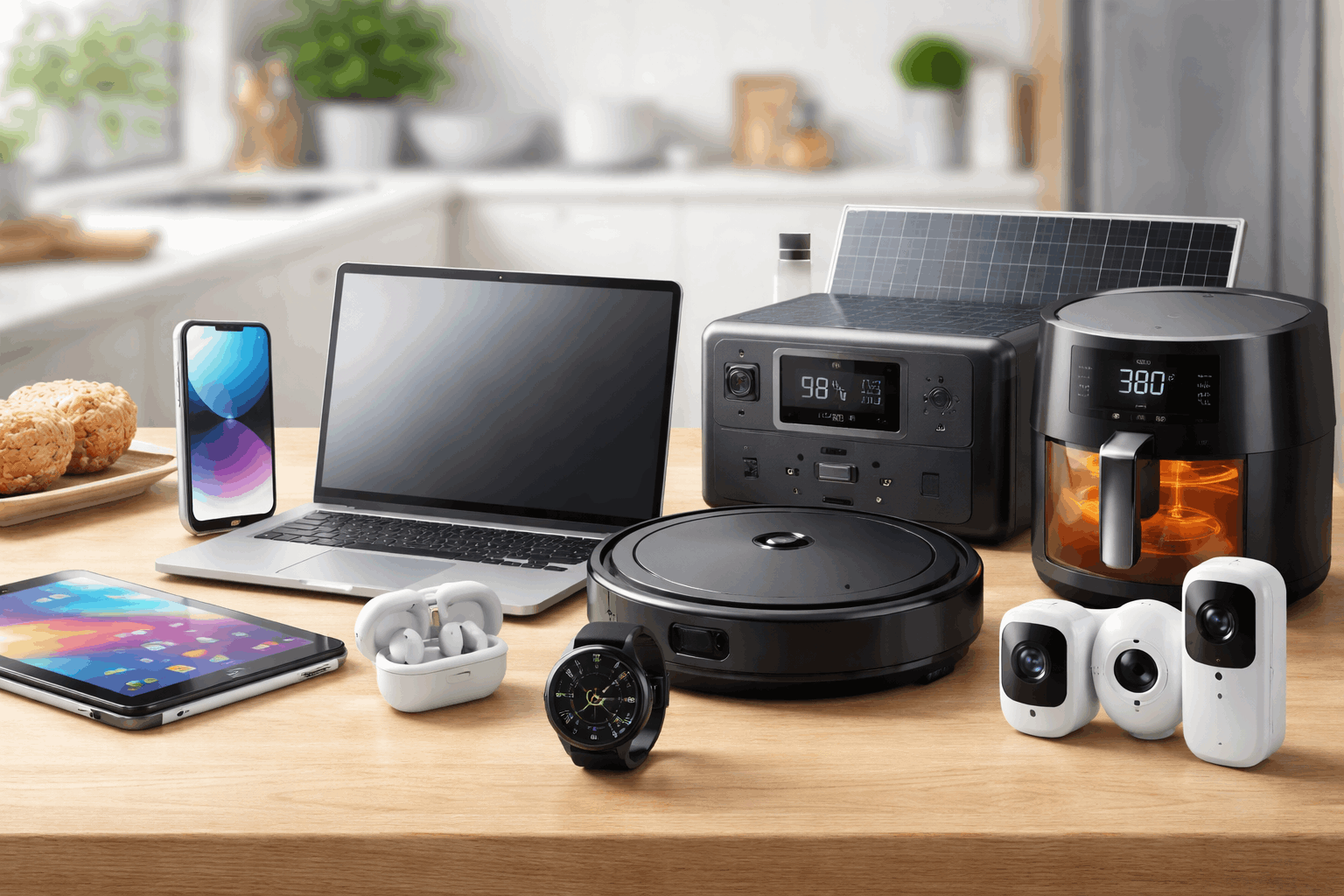
3. Tablets
Tablets support reading, entertainment, travel, education, and light productivity. They suit buyers needing a larger screen without a full computer.
Check storage, update policy, charging, and accessory support. A low price can hide mandatory keyboard or stylus costs. Match daily tasks with accessory costs before buying.
4. True Wireless Earbuds
Earbuds remain relevant because they are portable and regularly replaced. Comfort and microphone performance usually matter more than long specifications.
Check returns because fit cannot be judged from ratings. Compare true listening time and connection reliability. Give ear comfort and call quality more weight than collaborations.
5. Wrist-Worn Wearables
Wearables combine notifications, activity tracking, timekeeping, and daily reminders. Their worth depends on regular wear, not sensor count.
Confirm phone compatibility, charging routine, and subscription terms. Treat health readings as information, not a diagnosis. Compare phone compatibility and battery routine before advanced tracking.
6. Smart Vacuums and Cleaning Robots
Robot cleaners can reduce repeated floor care in busy homes. Their usefulness changes with floors, pets, thresholds, cables, and maintenance.
Check filter, brush, bag, and battery access first. Read support pages for mapping and troubleshooting limits. Rank floor compatibility and replacement parts above unused automation features.
7. Smart Home Security Devices
Connected cameras, doorbells, and locks support monitoring and access control. They also introduce privacy, Wi-Fi, storage, and subscription decisions. Verify local recording, remote access, and outage behavior. Check who sees footage and receives updates. Put privacy controls and total service cost before app styling.
8. Air Fryers
Air fryers remain useful for fast meals and reheating. Recent kitchen research showed high household use, though sales momentum varies.
Choose capacity for usual portions, not rare gatherings. Check basket cleaning, noise, counter space, and replacement pieces. Favor usable capacity and easy cleaning over unused presets.
Turn Demand Into a Good Purchase
A popular category can still produce a poor fit. Use demand to identify where to look, then use your routine to select. That stops category momentum from becoming an automatic recommendation.
Make Finalists Comparable
Keep two or three candidates after basic filters. Record exact version, price range, warranty, supplies, and one acceptable limitation.
Compare fields in the same order. Remove anything that fails a must-have. This creates visible trade-offs and an explainable shortlist.
Before checkout, use this five-point filter for every finalist:
- Confirm exact model number
- Measure storage and access
- Count required extra supplies
- Read local return terms
- Name one accepted compromise
Price Ownership, Not the Label
The listed price begins the calculation. Add accessories, repairs, batteries, filters, subscriptions, delivery, or installation.
Note whether costs appear monthly, yearly, or after failure. A higher upfront price can cost less when parts remain available. Keep total ownership and replacement access beside price.
Avoid Popularity Traps
High-demand categories attract crowded listings and rushed decisions. Use a simple process to protect attention and money when every option looks urgent. You need not find perfection, only a choice with understood risks.
Ignore Discount Noise and Review Inflation
A limited-time label does not prove value. Compare the exact model and bundle, not the headline percentage. Read recent comments for repeated faults.
Separate shipping damage from product problems. Treat sale language and review totals as prompts, not proof.
Check Revisions, Terms, and Support
Products can change internally without a new name. Confirm model numbers, package contents, warranty, updates, and ongoing fees.
Smart devices may charge for essential storage or alerts. Traditional products can become costly when parts disappear. Protect future usability and support clarity before choosing.
Conclusion: Let Demand Narrow the First Step
Consumer demand can reduce research because it highlights categories people keep using. Keep market evidence as a signal, not a promise.
The strongest purchase fits your task, total budget, and access to support. Use demand to shortlist, then let daily reality decide.