
An organized product catalog helps when routine shopping creates repeat problems. It records the items people replace, not everything stored at home.
People in homes, shared apartments, studios, and small businesses can prevent duplicate purchases and rushed errands.
This guide shows how to create a working reference without a complicated inventory project or unnecessary admin work.

Begin With the Problems That Interrupt Your Week
Start with inconvenient shopping moments, not retailer categories or polished templates.
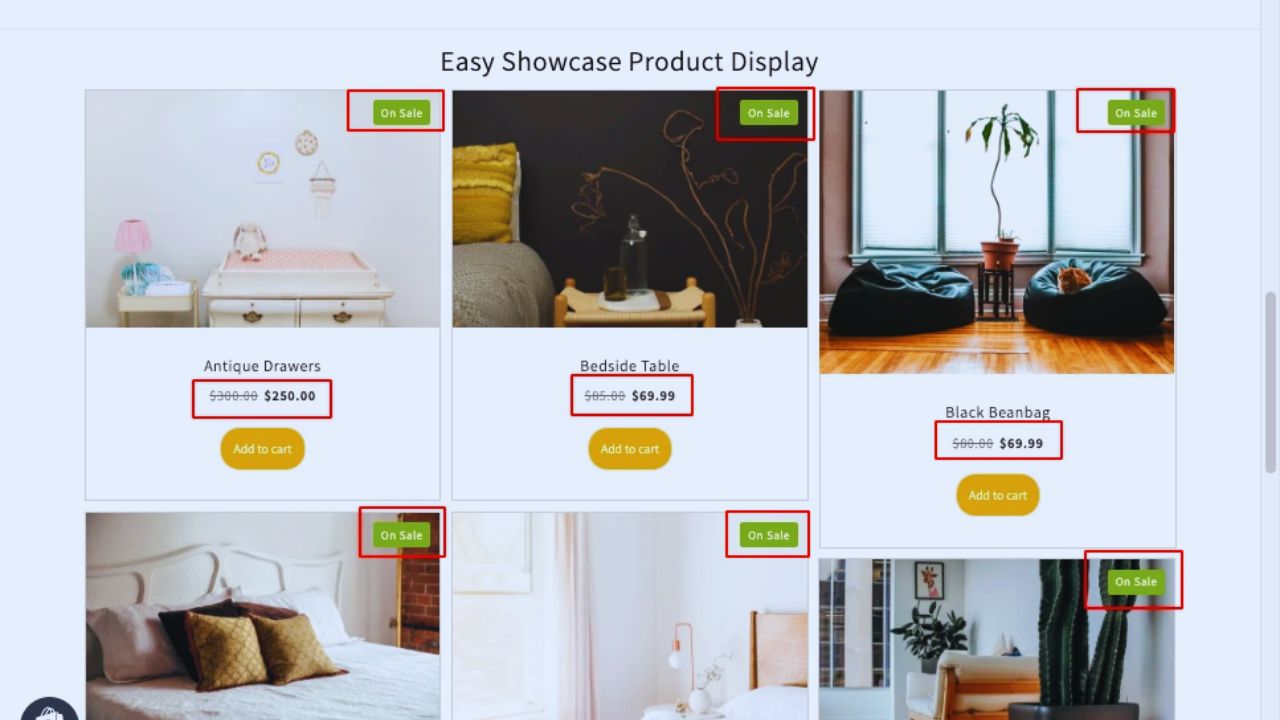
Missed staples, unsuitable refills, and unopened duplicates reveal where daily decisions need support. Those patterns keep the catalog tied to your actual routine.
Notice What Creates Unplanned Purchases
For one week, note products that cause an extra store visit, delivery, or message asking what to buy.
Include small essentials like dish soap, coffee filters, batteries, pet food, and lunchbox snacks; cheap items still disrupt a day.
Record how quickly each product is used, where it is kept, and whether someone else may have replaced it. These observations create practical evidence, rather than a list built on guesswork.
Separate Regular Supplies From Rare Buys
Keep weekly groceries, cleaning supplies, and personal-care staples apart from décor, hobbies, parties, and repair parts.
A first-aid refill matters, but should not compete with toothpaste or rice during a quick shop.
This makes urgent needs easier to see and curbs unrelated spending. It also stops the restock list becoming a record of everything you own.
Make Each Product Entry Useful at the Store
A product name alone does not answer store-aisle questions.
Add the decision details that prevent unsuitable replacements, wasteful bulk orders, or searches through old receipts.
Keep notes brief, but make them reflect real preferences and limits.
Record Details You Will Check Later
For food staples, add package size, price range, usual use, and an expiry note. For cleaners, note surfaces to avoid, glove needs, or whether a refill pack truly saves space.
Personal-care products may need a scent, shade, ingredient, or sensitive-skin note, because similar packages can vary significantly.
Cables, cartridges, and replacement parts should include a model number or fitting type to avoid an unusable purchase.
Flag Products That Need a Pause Before Reordering
Do not treat every previous purchase as an automatic reorder. A child may need another size, formulas may change, or bulk products may expire.
Add a review before buying note, such as “check allergy label” or “measure drawer first.” This pause limits habit-driven spending and keeps the catalog accurate as circumstances change.
Use Three Status Labels Instead of Several Lists
Separate lists for low stock, future buys, and uncertain products can create extra work. A few labels are enough when each leads to a clear action before shopping. Use familiar wording so anyone immediately understands the next step.
- Buy soon: likely to run out before the next planned shop.
- Check stock: another shopper may have brought it home.
- Review first: the price, size, formula, or need may have changed.
Check Labels Before You Fill the Cart
Open the catalog before browsing online or entering a store. Check products marked buy soon, then confirm uncertain entries before adding them.
Starting with a known need reduces promotional distractions and purchases of supplies already in a cupboard. It also gives shoppers a clear starting point when time is limited.
Also Read: Product Catalog Based on Function and Purpose
Use Language Everyone Can Understand
Avoid a status system that only its creator can decode. “Buy soon,” “check stock,” and “review first” tell another person what to do, while “important” creates unnecessary questions.
Rewrite notes people repeatedly misunderstand instead of expecting private shortcuts to be remembered. Clear wording protects the shared routine when one shopper is busy, ill, or away.
Pick a Format That Fits How You Shop
The most feature-rich tool is not always the most useful. A notebook may suit one person, while a shared file helps families, roommates, or teams.
Choose a format that supports quick updates wherever purchases happen, keeping information current.
Google Sheets Works Well for Straightforward Shared Lists
A shared Google Sheets file can hold product names, quantities, price notes, purchase dates, and reminders. Limit columns so the list remains readable on a phone during deliveries or in an aisle.
One tab for frequent supplies and another for occasional purchases creates a clear household view without extra clicking. Its strength is low friction, not complex formulas nobody maintains.
Airtable Can Help When Notes Need More Structure
Airtable may suit a catalog that needs images, supplier notes, filters, or separate views.
A café, salon, studio, or content creator could sort products by source, stock condition, brand, and purchase priority while keeping a simple shopping view.
Start with one table; add fields only when a recurring problem appears. The platform should support your everyday workflow, not turn normal restocking into a database project.
Review Prices, Storage, and Preferences Regularly
Catalogs become misleading when old habits are treated as permanent facts. Prices shift, children outgrow products, suppliers stop carrying items, and formulas may no longer work.
A short review prevents stale information from shaping purchases and reveals whether a bargain suits your current needs.
Check Bulk Orders Before Committing
A low unit price does not make a large pack sensible. Check storage, expiry dates, weekly use, and suitability before ordering.
This matters for specialty foods, skincare, pet supplies, and cleaning concentrates that occupy valuable space for months. A quick check can prevent wasteful savings, where a low price creates unused or expired products.
Write Notes Another Shopper Can Follow
Replace “the good one” with the correct battery size, preferred unscented version, or refill that fits a dispenser. Add its cupboard, shelf, or drawer, especially for supplies easily overlooked.
These details reduce duplicate buying and help everyone maintain the same standard without memorizing preferences. They make the catalog a shared reference instead of a private list only one person understands.
A Catalog That Works in Real Life
A useful catalog should reflect real routines, not an ideal version of them. Start with products that create repeat errands, adding details only when they prevent a costly mistake or save time.
Review it after a larger shop, disappointing purchase, or change in household needs. When it stays simple, current, and easy to maintain during busy weeks, the catalog becomes a reliable everyday tool rather than another document to maintain.