Product rankings influence what people buy, compare, or avoid. A trustworthy list can help you make fast and informed choices.
But many rankings online are biased, outdated, or vague. Here’s how to spot the difference and make better decisions.
What Makes a Product Ranking Trustworthy?
Every ranking should explain how the products were tested. You need to see what made one item better than the rest.

Clear Criteria
When a ranking uses clear criteria, you know what was measured and why it matters.
Look for lists that explain whether they judged durability, ease of use, value for money, or other factors. Vague terms like “great pick” or “worth it” are not enough.
You want specific evaluation points such as “battery lasted 9 hours” or “resists scratches after 30 uses.” If no criteria are shown, skip the list. Without details, it’s just an opinion.
Real Testing and Use
Trustworthy rankings are based on hands-on experience. This includes drop tests, stress tests, comparison runs, or field use.
Writers who touch and use the products give more useful insights. Look for language that shows what they did, not what they guessed.
Photos of the testing process can also add credibility. Claims without any proof are less reliable.
Updated Regularly
Old rankings won’t help if newer models are already better. Tech, tools, and appliances change fast, so a 2023 list is outdated by early 2024 in many categories.
Check the publication date or last update of the article. Trusted sites usually refresh their lists often. If it’s more than a year old, treat it as reference only. Updated info builds trust.
Who Ranks the Products Matters?
The author or organization behind a ranking affects its accuracy. Not all reviews are written with buyer interests in mind.
Independent Reviewers vs Sponsored Posts
Sponsored content often promotes what it’s paid to promote. If a brand appears too often or is always rated highest, you may be looking at paid placement.
Trust rankings that disclose whether they use affiliate links or partnerships. Independent reviewers usually explain how they avoid bias. Sponsored lists rarely compare weaknesses honestly.
Credentials and Testing Methods
Check if the reviewers have a background in testing or reviewing. Some websites use lab equipment, standardized checklists, or industry benchmarks.
That adds more weight than personal opinion or quick demos. Credentials don’t guarantee perfection, but they show effort and structure.
If a ranking mentions “blind tests” or “third-party validation,” that’s a good sign. Depth and transparency make rankings better.
How Rankings Are Built?
Understanding how lists are made helps you trust them more. You want rankings that are based on real comparison, not hype.
Scoring Systems
Some rankings assign scores to each product based on features, usability, and other criteria.
A weighted score means some factors count more—like durability might count more than packaging. Good rankings explain how the total score was calculated.
If everything is scored equally, it might miss what matters most to real users. Scoring without explanation can be misleading. Weighting gives structure.
Data Sources Used
Rankings often combine expert reviews, user feedback, and product specs. Sites may also use long-term test logs, surveys, or return rates.
The more sources included, the better the ranking reflects real use. Purely spec-based rankings miss out on hands-on issues like comfort, bugs, or noise.
When sources are listed, it shows transparency. Diverse input makes stronger lists.
Comparison vs Single Picks
Some articles list a top-10 while others name just one best product. A ranked list gives you more options and a range of prices or features.
A single pick is faster but may not fit every reader. Both formats work, but only if backed by strong methods. Choose based on how much detail you need before buying. Fit matters more than rank.
Red Flags: Rankings You Shouldn’t Trust
Not every ranking is worth your time. Watch out for these signs that a list might be misleading or lazy.
No Source or Testing Mentioned
If the article never says how products were tested or selected, that’s a red flag. You need to know what kind of data or experience the ranking is based on.
If it sounds generic, it probably is. Trustworthy rankings show their process clearly. Otherwise, it could just be copied from other sites. Details prove work.
Biased Language or Hype
Watch out for overused praise like “life-changing,” “must-have,” or “the ultimate.” Objective rankings describe pros and cons. Hype without balance usually hides something.
Words like “editor’s pick” without explanation are not enough. Reliable content keeps the tone focused and honest. Clarity wins over hype.
Always Promoting the Same Brands
Some sites repeat the same brands over and over, regardless of the category. This could be because of affiliate commissions or marketing deals.
Real rankings show variety and balance across products. If one brand dominates every time, check for a conflict of interest. True comparisons show both strengths and weaknesses. Bias limits value.
Why Transparency Builds Trust?
Readers are more likely to trust a list when they see how the rankings were made. Showing the process matters as much as the result.
Showing the Testing Process
Detailed breakdowns, photos of tests, or video clips improve credibility. A simple sentence like “we ran each fan for 12 hours” adds trust.
The more you see behind the scenes, the more you can trust the result. Transparency keeps bias low. It also helps readers copy the same tests if needed. Tests that show are stronger than words.
Disclosing Affiliates or Paid Content
Trusted rankings always disclose if links are monetized. That means if you click and buy, the site may earn a small fee. This isn’t bad—but hiding it is.
Look for notes like “We may earn from qualifying purchases.” Full disclosure shows respect for the reader. Honesty earns trust.
How to Use Rankings in Real Decisions?
You don’t have to pick the top product every time. Use rankings to narrow your options, then match the choice to your needs.
Match Rankings to Your Needs
The top pick might not be right for you. A tool that’s great for professionals may be overkill for beginners.
Focus on what fits your use, not just what ranks #1. Rankings should guide, not dictate. Use your own budget and context as a filter. Fit is more important than flash.
Compare Multiple Lists
Don’t rely on a single website. Read two or three trusted sources and compare their picks. Overlap between them builds confidence.
If one product shows up on every list, it’s likely a good choice. Disagreements show where preferences vary. Compare to confirm.
Look at Ranking Date
Always check when the ranking was made or updated. Some products age fast, especially tech and gear. Rankings older than a year may miss newer models or price changes.
A fresh update date is one of the first things you should verify. Stale data weakens the list’s value. Recency matters.
Bonus Tools That Make Rankings More Useful
Some features make it easier to explore rankings and make decisions faster. These are helpful for comparing options quickly.
Interactive Filters
Some websites let you filter by price, rating, or features. This helps narrow the list to your exact needs. Filters make rankings personal and practical.
Instead of scanning the full list, you focus on what matters to you. This saves time and reduces overload. Filters improve clarity.
Summary Tables
Tables let you compare specs, features, and prices at a glance. They often include highlights, like battery life or warranty. You see differences fast and avoid switching tabs constantly.
Visual comparison is easier than reading paragraphs. Tables speed up your research. Layout helps clarity.
User Review Aggregates
Sites that pull reviews from Amazon, Best Buy, or direct surveys add value. They show what real buyers say after using the product. High review volume adds confidence if scores are consistent.
If patterns emerge—like broken parts or bad support—you’ll spot them early. User data helps balance expert tests. Feedback builds trust.
Examples of Reliable Ranking Categories
Some product areas benefit more from rankings than others. Focus on categories where testing makes a big difference.
Tech Gadgets
Smartphones, laptops, earbuds, and cameras are fast-moving categories. Specs change every year and new models always replace old ones.
Rankings help compare speed, battery, display, and price all at once. These tools need clear testing to cut through the marketing. Reviews save time and money. Tech shifts quickly.
Home Appliances
Products like vacuums, blenders, coffee machines, or air purifiers need hands-on testing. Efficiency, noise level, and ease of cleaning aren’t always in the specs.
Rankings show what daily use really feels like. This helps buyers avoid frustration. Real photos and use tests matter here. Usability counts.
Health and Fitness
Wearables, supplements, and home fitness gear need serious vetting. Accuracy and safety are key concerns. Rankings with expert reviews help avoid risky or low-quality picks.
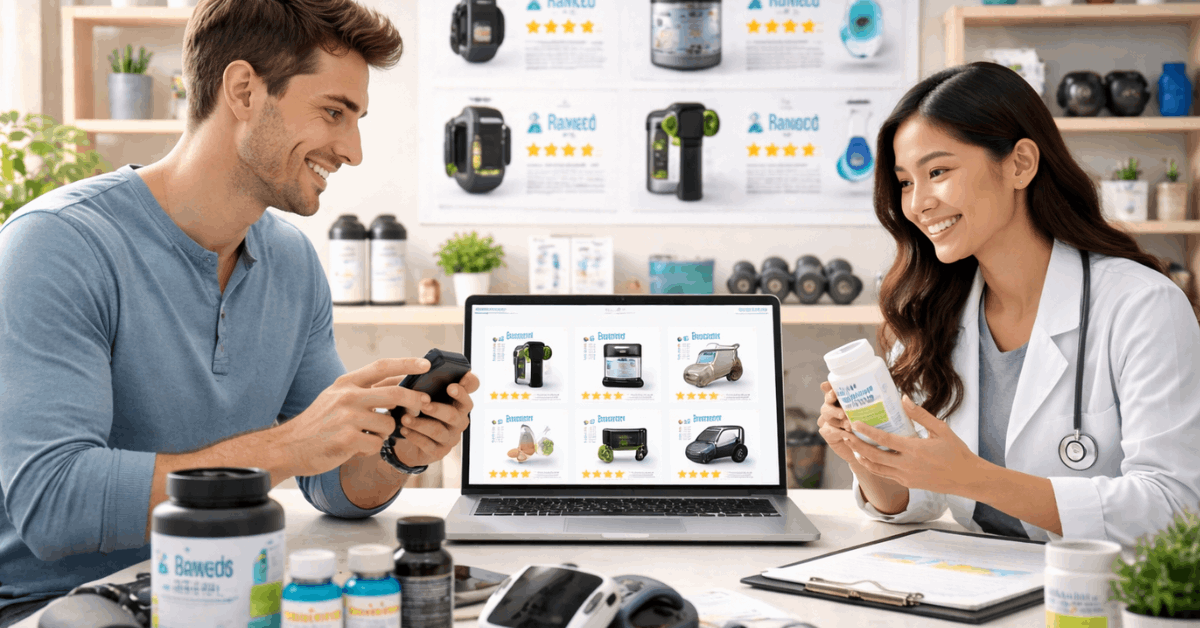
This area also changes fast, so updated lists are crucial. Medical reviewers or certified testers add value. Trust depends on precision.
Choose Rankings That Respect Your Trust
Product Rankings You Can Trust rely on real testing, clear methods, and honest comparisons. They avoid hype and explain how each decision was made.
Always check the source and update date before relying on any list. Make sure the ranking aligns with your needs and budget.