Product Rankings Based on Quality and Price help you focus on real performance and cost. They show which products give you solid value without overpaying.
Many buyers waste money by relying only on brand or discount tags. These rankings give you facts, not hype.
Why Quality and Price Must Be Balanced?
Products can be cheap and still work well—or expensive and still disappoint. You need to understand how both quality and price shape the true worth of an item.

High-quality items are made with better materials, last longer, and perform more consistently. But if they’re overpriced, the value drops.
On the other hand, low-priced items that fall apart fast don’t save you anything. Real rankings look at both sides and find where value lives.
What Makes a Product High Quality?
Many buyers don’t know what defines quality. It’s more than just how something looks on the shelf or in photos.
Build and Materials Matter First
Products made with better components last longer. Look for sturdy plastics, metals, or premium fabrics.
Flimsy builds usually mean shorter product life. If a product looks good but feels hollow, it won’t last.
Good Design Improves Function
Quality products are easy to use and built with smart layouts. Buttons, handles, and screens should be intuitive.
Complex items should be labeled clearly or designed to avoid mistakes. If a product confuses you from the start, it’s likely not well-designed.
Reputation Helps Confirm Consistency
Brands that consistently make good products earn trust. A new item from a proven company is more likely to perform well.
Researching a brand’s track record helps you avoid risks. Reliability isn’t luck—it’s based on consistent build quality and support.
What Makes a Product Worth the Price?
A high price should give you more than just branding. You need to know what you’re paying for and what you get back.
Long-Term Use Lowers True Cost
Products that last longer save you money in the long run. If you avoid replacements for years, the upfront cost pays off.
Look at repair rates, breakage complaints, and lifespan reports. Short-lived items are always more expensive over time.
Support and Warranty Add Value
Good customer support means faster fixes and fewer headaches. Warranties show the manufacturer’s confidence.
If something breaks, a strong return policy can save you. Without these, even a cheap item can become a bad deal.
Usefulness Boosts Price Justification
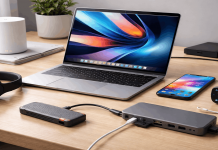
A product that solves multiple problems is often worth a higher cost. Think of a device that charges, stores, and protects—if it saves you from buying three things, it’s worth more.
Versatile items pay off quickly. Always check how well the item fits your real-world use.
How We Score and Rank Products?
Transparent rankings give you confidence to trust the list. Knowing how scores are built shows the process is fair and objective.
We score products using weighted criteria. Quality, durability, and performance get the most weight.
Price balance and value follow. Each product’s total score shows how it performs overall, not just in one area.
Trusted Tools Used in Evaluating Rankings
Not all data sources are reliable. We focus on verifiable reviews, test data, and independent trials.
Aggregated Review Sites
Sites like Consumer Reports and Wirecutter run deep product tests. They check performance, materials, and failure rates.
Their methods are structured and unbiased. Rankings that cite them are grounded in real evidence.
Buyer Feedback Shows Real Use
Reviews from verified buyers highlight real-world problems and wins. You’ll find mentions of durability, ease of use, and hidden flaws.
These are especially useful for long-term feedback. Mass trends in buyer sentiment can’t be faked.
Side-by-Side Testing Gives Proof
Head-to-head tests reveal how products stack up directly. Testing two headphones in the same room gives clearer comparisons than specs alone.
This method strips away marketing noise. You see the performance under the same conditions.
Sample Rankings: Value Beats Hype
These examples show how rankings based on quality and price reveal unexpected winners.
Budget Smartphones That Deliver
Phones under $300 like the Pixel 6a and Samsung A14 offer strong cameras and reliable updates. They match or beat pricier models in many tasks.
Cheap doesn’t mean bad—if performance is tight, it wins. These phones show that rankings aren’t just for premium buyers.
Blenders That Outrank Higher-Priced Models
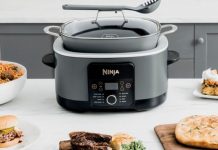
A $150 blender from Ninja may outperform a $300 model from a luxury brand. Why? Fewer parts fail, and blending power stays consistent.
These wins come from engineering, not just price. Quality-focused rankings catch these differences.
Headphones with Real Performance
Many sub-$100 headphones outperform mid-range ones. Sound quality, battery life, and comfort often rank higher.

When quality is tested directly, name and price stop mattering. Rankings based on usage reveal real value.
Red Flags in Rankings You Should Avoid
Some rankings may look helpful but are actually biased or misleading. Watch for these warning signs before trusting any product list:
- Sponsored rankings with no disclosure often promote products for profit, not performance.
- Affiliate links without transparency may bias the ranking to earn commissions.
- Unexplained top spots signal that scoring criteria may be missing or manipulated.
- No testing or data sources usually means the ranking is opinion-based, not factual.
- Influencer blogs or vague posts may prioritize hype or aesthetics over real use.
- Identical review language across multiple products could suggest copy-pasted or fake content.
Using Rankings in Your Own Decision Process
You need a system to read and apply rankings to your specific needs. Here’s how to use the list well.
First, define your needs: is this for travel, daily use, or backup? Next, compare top products based on the ranking’s score breakdown.
Check user reviews to validate key claims. Then choose the product that meets your needs without overpaying.
Top Product Categories Where Rankings Matter Most
Some product types show the biggest differences in value. These are the categories where trusted rankings really help:
- Tech and gadgets — So many similar models exist that only rankings reveal true performance vs price.
- Kitchen appliances — Power, build quality, and lifespan vary even between items that look alike.
- Clothing and gear — Material, stitching, and comfort often shift drastically across price points.
- School and office tools — Simple items like pens, bags, or chairs can differ in durability and function.
- Home cleaning tools — Rankings help spot the models that actually last and clean efficiently.
- Headphones and audio gear — Sound quality and battery life can exceed expectations at mid-range prices.
- Budget smartphones — Some phones under $300 rank high on performance and software updates.
Price Isn’t Always Quality
People often assume expensive means better. That’s not always true. Many high-priced products underperform in real tests.
Sometimes, branding inflates cost without adding value. Rankings expose these mismatches clearly. Buying blindly by price leads to waste.
Why We Update Our Rankings Regularly?
Rankings change as products evolve. We keep them current for better buying outcomes.
New products replace older models every quarter. Price drops can make previous losers worth buying.
User reviews uncover hidden flaws that weren’t obvious at launch. Updated rankings help you stay informed.
Smarter Shopping Starts with Balanced Rankings
Product Rankings Based on Quality and Price help you choose smart without overspending. You don’t need to buy the most expensive option to get solid performance.
Focus on what fits your needs and offers lasting value. Use these rankings to guide every purchase with confidence.