Similar products often look the same but perform differently once you use them.
This guide breaks down the key differences so you can compare options based on price, features, and real-world use.
You get clear criteria to help you choose the product that actually fits your needs.
What “Similar Products” Really Means
Similar products are items that serve the same main purpose and target the same buyer type.
They often share features and price ranges, but differ in performance, durability, and overall value.
Core Criteria Used for Comparison
You compare similar products using consistent, practical criteria to avoid bias and confusion.
These factors focus on how products differ in cost, usability, and long-term value.
- Price and Overall Cost – What you pay upfront and over time.
- Key Features – Functions that affect real use, not extras.
- Ease of Use – How simple the product is to set up and operate.
- Build Quality and Durability – How well it holds up with regular use.
- Performance in Real Scenarios – How it works in everyday conditions.
- Maintenance and Upkeep – Time, effort, and cost to keep it working.
- Warranty and Support – Protection and help after purchase.
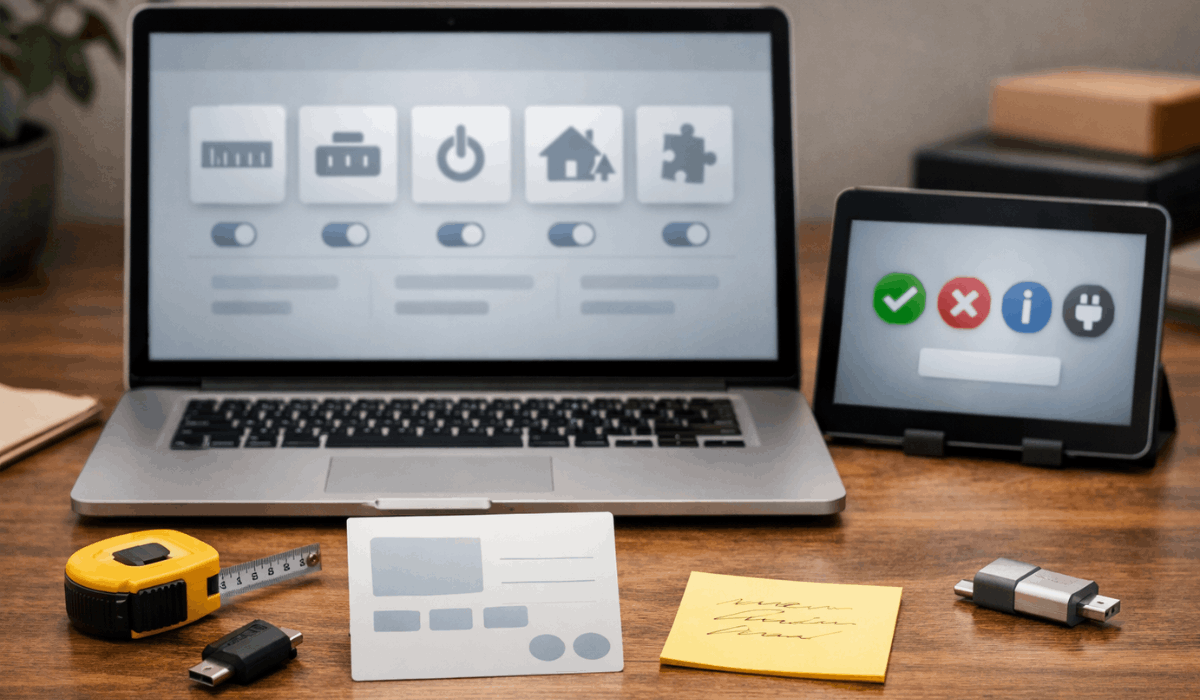
Compatibility and Fit Considerations
You need to confirm that a product works with your existing setup and environment.
Ignoring compatibility often leads to returns, extra costs, or limited functionality.
- Size and Dimensions – Whether the product fits your available space.
- System or Device Compatibility – Support for your hardware, software, or platform.
- Power or Connection Requirements – Plugs, voltage, ports, or wireless standards.
- Environmental Fit – Suitability for indoor, outdoor, or specific conditions.
- Accessory and Add-On Support – Ability to use existing or future add-ons.
Maintenance, Upkeep, and Ongoing Effort
You should consider how much time, effort, and cost a product requires after purchase.
Lower maintenance often means fewer problems and better long-term value.
- Routine Maintenance Needs – Cleaning, updates, or basic servicing are required to keep it working.
- Time and Effort Involved – How often you need to check, adjust, or maintain the product.
- Replacement Parts and Consumables – Availability and cost of parts you must replace over time.
- Service and Repair Access – Ease of getting repairs or professional support if issues occur.
- Long-Term Ownership Effort – How manageable the product remains with regular use.
Warranty, Support, and After-Purchase Experience
You should evaluate what protection and assistance you receive after buying the product.
Strong support reduces risk and makes long-term ownership easier.
- Warranty Length and Coverage – How long you are protected and what issues are included.
- Claim Process Simplicity – How easy it is to file a warranty claim or request service.
- Customer Support Availability – Access to help through phone, chat, or email.
- Repair or Replacement Handling – Speed and reliability of fixes or exchanges.
- Return and Refund Policies – Flexibility if the product does not meet expectations.

User Experience and Daily Interaction
You should consider how the product feels during regular use. Small usability differences affect satisfaction over time.
- Interface Simplicity – How intuitive controls and navigation are.
- Comfort and Ergonomics – Ease of handling during extended use.
- Speed of Access – How quickly you can start or complete tasks.
- Learning Time – How long it takes to feel confident using it.
- Error Tolerance – How forgiving the product is when mistakes happen.
Energy Efficiency and Resource Use
You should evaluate how efficiently the product uses power or resources. Lower consumption often reduces long-term costs.
- Power or Energy Consumption – Amount used during normal operation.
- Standby or Idle Usage – Ongoing consumption when the device is not active.
- Efficiency Ratings or Standards – Indicators of responsible usage.
- Cost Impact Over Time – Effect on utility or operating expenses.
- Environmental Considerations – Waste, emissions, or material impact.
Upgrade Potential and Scalability
You should check whether the product can grow with your needs. Limited scalability can shorten its useful lifespan.
- Upgrade Options – Ability to add features or components later.
- Compatibility With New Versions – Support for future updates.
- Expansion Limits – Clear boundaries on what can be improved.
- Cost of Upgrades – Affordability of expanding functionality.
- Longevity of the Platform – Likelihood of continued support.
Availability and Purchase Convenience
You should factor in how easy it is to buy and replace the product. Limited availability can cause delays or higher costs.
- Stock Consistency – How often the product is available.
- Regional Availability – Whether it’s sold in your location.
- Shipping and Delivery Time – How long does it take to receive?
- Replacement Access – Ease of buying the same model again.
- Purchase Channels – Online, in-store, or direct availability.
Safety, Compliance, and Risk Factors
You should understand potential risks before choosing a product. Safety differences matter even between similar items.
- Safety Features – Built-in protections or safeguards.
- Compliance With Standards – Alignment with industry regulations.
- Known Issues or Recalls – History of defects or warnings.
- Usage Restrictions – Limits on how or where it can be used.
- Risk in Misuse – Consequences of incorrect handling.
Side-by-Side Comparison Breakdown
You compare products using the same evaluation standards to keep the comparison fair and clear.
This method shows how differences affect cost, usability, and long-term ownership.
- Cost and Value Comparison – Upfront price, ongoing costs, and overall value over time.
- Feature and Performance Differences – Which features impact real use, and how each product performs daily.
- Usability and User Experience – Ease of setup, learning curve, comfort, and interaction quality.
- Fit, Compatibility, and Scalability – How well each product works with your setup and future needs.
- Ownership Experience – Maintenance effort, warranty coverage, support quality, and long-term reliability.
Who Should Choose Each Product
You should choose based on how the product fits your needs, not on which one looks better on paper.
Different priorities lead to different best choices.
- Choose Product A If – You want simplicity, lower cost, or basic features that cover everyday use.
- Choose Product B If – You need better performance, added features, or higher durability.
- Choose Based on Usage Frequency – Occasional use favors simpler options, heavy use favors stronger builds.
- Choose Based on Budget Flexibility – Limited budgets prioritize essentials, higher budgets allow upgrades.
- Choose Based on Long-Term Plans – Short-term needs differ from long-term ownership goals.
Common Buyer Mistakes When Comparing Similar Products
You can avoid poor buying decisions by recognizing common comparison errors early.
These mistakes often lead to overspending or choosing the wrong product.
- Focusing Only on Price – Ignoring quality, durability, or long-term cost.
- Paying for Unused Features – Choosing extras that do not match your needs.
- Ignoring Compatibility Issues – Overlooking size, system, or setup requirements.
- Relying on Brand Names Alone – Assuming brand reputation equals better value.
- Skipping After-Purchase Considerations – Forgetting about warranty, support, and maintenance.
How to Make Your Final Decision
You make better choices when you focus on how you will actually use the product.
A structured review of your priorities helps you avoid regret.
- Define Your Primary Need – Be clear about what the product must do for you.
- Match Features to Usage – Choose features that support your routine, not extras.
- Compare Long-Term Value – Look beyond the upfront price.
- Consider Practical Limits – Check space, compatibility, and upkeep effort.
- Decide Timing – Buy now if it meets your needs, or wait if trade-offs are too high.
Final Takeaway
Similar products may look alike, but the differences become clear when you compare them using consistent criteria.
By focusing on cost, usability, compatibility, and long-term ownership, you can make confident choices and avoid common mistakes.
Use this comparison guide to review your options carefully and make a buying decision that fits your needs.