
You can buy with more confidence when your research stays consistent. An organized catalog of reliable products helps you compare items using the same rules. It turns scattered opinions into documented checks you can repeat.
You focus on durability, support, and real ownership cost. Confidence comes from a consistent process, not from perfect information. This guide shows how to build and maintain that catalog.
How To Define Reliability Before You Build Your Catalog
Reliability becomes easier to judge when you define it clearly. You start by choosing proof you can verify, not claims you hope are true.

Your catalog should include safety status, warranty clarity, repair access, and the cost to keep using it.
A clear reliability definition keeps your rankings stable across categories. Once your rules are written, your catalog updates more quickly. You spend less time rethinking the same decisions.
Reliability Signals You Can Verify Quickly
Start with what you can confirm in minutes, not what sounds reassuring. Check for model-specific certification, clear labeling, and official documentation. When details are missing, mark them unknown and do not fill gaps with assumptions.
Quick verification signals reduce the chance that you shortlist lookalike products with weak testing. Use official product pages as your primary reference point. If the model name is unclear, do not score it yet.
Reliability Costs You Need To Track Beyond The Price
A reliable product can still be expensive to keep running. Track consumables, maintenance cycles, energy use, and required accessories. When a product needs frequent replacements, note the schedule and the estimated annual cost.
Put hidden ownership costs near the top of the entry so value stays honest. Use your local utility guidance or product energy labels when available. If cost inputs are unclear, your catalog should show that uncertainty.
How Warranty Terms Reveal Brand Confidence
Warranty length matters, but the details matter more. Record what parts are covered, whether labor is included, and how claims work. Add a short note on exclusions that commonly surprise buyers, like wear items or shipping fees.
Warranty clarity is a reliability signal because it reflects accountability. If the policy is vague, lower the reliability score for that entry. Only treat warranty promises as real when the terms are specific.
Repairability And Parts Access As Reliability Filters
Repair access often separates long-life products from disposable ones. Capture whether common parts are listed by model and whether service instructions exist. If a product has sealed construction or proprietary consumables, note it as a long-term risk.
Put repairability filters directly into your scoring so they shape rankings early. When parts are easy to source, reliability tends to improve over time. You do not need perfection; you need serviceable ownership.
Organized Catalog of Reliable Products for Home Essentials
Home essentials are where reliability saves the most time. Small failures add up when you rely on an item daily.

Your catalog should group home picks by function and record the same fields each time. Focus on durability, maintenance, and parts access, then compare within similar price bands.
Home reliability basics should be simple to evaluate and easy to maintain. Once your template is set, you can expand categories without changing your rules. This is how your catalog stays useful for years.
Kitchen Staples That Hold Up Under Repeated Use
Kitchen reliability improves when materials and mechanics are straightforward. For cookware, examples like Lodge cast-iron pans tend to last with basic care.
Your catalog should record material type, handle stability, and whether parts or accessories are replaceable.
Put durable kitchen picks into tiers based on maintenance effort and failure risk. Avoid scoring based on looks or trendy features. If care requirements are strict, note that clearly as a tradeoff.
Cleaning Tools That Stay Useful After The First Month
Cleaning tools fail when refills are expensive or hard to find. A reliable catalog entry can be a simple system where replacement heads are widely available.
For example, a basic refill-based mop line from OXO can be easier to maintain than complex systems.
Keep refill availability and replacement cost visible in the entry. Record the likely failure points, like joints, pedals, or clips. Reliability here is about continuing use, not a strong first impression.
Water And Air Products With Supply Stability
Water and air products are only reliable if filters remain available. Your catalog should list filter model numbers, typical replacement intervals, and where you can buy them locally.
If a model changes often, note the risk of discontinued consumables. Filter supply stability is a practical reliability rule because it prevents forced replacements.
You can include one example, like an Austin Air purifier, if filters are consistently stocked. If supply is uncertain, do not rank the item highly.
Lighting And Power Basics That Reduce Repeat Replacements
Lighting reliability is about fewer failures and predictable performance. Record base type, rated life, and warranty terms in the same order for every bulb entry.
If flicker or early failure appears repeatedly in buyer feedback, note it as a risk theme. Low-failure lighting saves money by reducing frequent swaps and wasted time.
You can use a common baseline like Sylvania LEDs for standard fixtures if availability is stable. Keep the entry focused on what affects daily use, not marketing claims.
Organized Catalog of Reliable Products for Tech and Connectivity
Tech reliability depends on support, updates, and compatibility. A device can be excellent today and frustrating later if updates stop or standards change.
Your catalog should track firmware policy, expected support window, and accessory standards. Tech reliability rules should prioritize stability over peak specs.
Compare within the same generation and confirm model revisions carefully. Keep notes short but specific so you can reuse them later. This structure prevents you from buying into dead platforms.
Home Networking Gear With Long-Term Update Support
Networking reliability is uptime plus ongoing firmware updates. Your catalog should record Wi-Fi standard, security update history, and the ease of management.
If you need advanced controls, note whether they require subscriptions or extra hardware. Update support matters more than headline speed for long-term reliability.
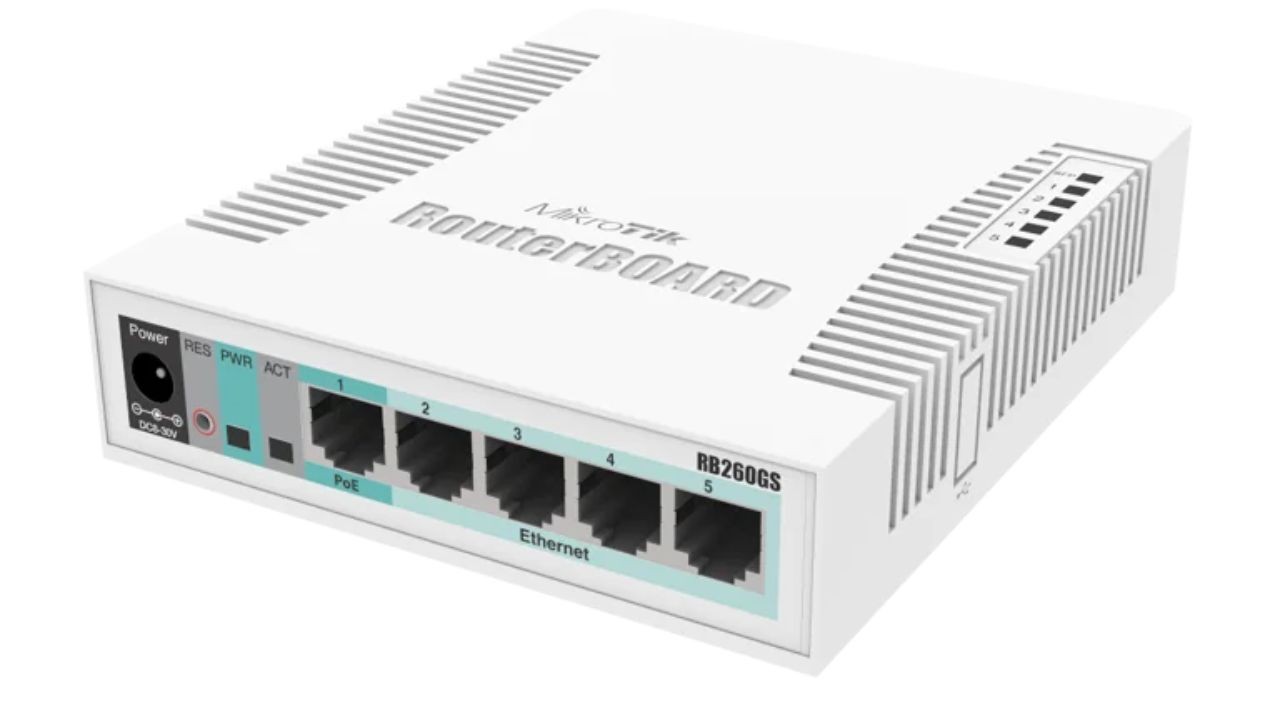
One practical example is a MikroTik router if you are comfortable with configuration. If the setup is complex, document that as the tradeoff so your ranking stays honest.
Storage And Backup Products That Protect Data Over Time
Storage reliability is about data safety, not only speed. Separate daily transfer drives from true backup solutions in your catalog. Record warranty, encryption options, and cable standards, then add a reminder about redundancy.
Backup discipline improves reliability because one device is never a full plan. A practical example for portable use is the Kingston XS2000 if it meets your capacity and warranty needs. Your catalog should also note that backups should exist in at least two locations.
Chargers And Cables That Reduce Compatibility Failures
Charging reliability improves when standards are clear, and heat is controlled. Your catalog should capture supported wattage, charging standards, and port behavior under load.
Avoid scoring based on the number of ports if power delivery is inconsistent. Standards-first charging prevents failures that feel random, like slow charging or overheating.
One practical example is a Baseus USB-C PD charger if it clearly states per-port output. If compatibility details are missing, do not promote it to a top tier.
Everyday Tech Basics That Lower Replacement Frequency
Small tech items fail often, so they belong in a reliability catalog. Record failure risks like connector strain, battery aging, and fragile housings.
Focus on items you replace repeatedly, like rechargeable batteries, keyboards, or mouse switches. Repeat-purchase prevention is the goal because it saves money quietly over time.
If you need rechargeable batteries, an example is Energizer Recharge if cycle life and availability fit your needs. Your catalog should always include the expected lifespan and the likely weak points.
How To Maintain A Reliable Catalog Without Restarting
A catalog becomes valuable when you maintain it with simple rules. Reliability changes when models refresh, parts disappear, or policies change.

Instead of rewriting everything, you update only when specific triggers occur. Maintenance triggers keep the catalog current without constant browsing. Archive older picks so you preserve decision history and learn from outcomes.
Add dates to every entry so you can see what is stale. This makes your catalog a living system, not a one-time list.
Update Triggers That Matter More Than Trends
Triggers should be measurable and tied to real risk. Examples include recalls, discontinued parts, major warranty changes, or a long gap in firmware updates. Add a date when you last checked each trigger category.
Risk-based updates prevent you from reacting to hype and keep your catalog aligned with real-world changes. You do not need daily monitoring; you need a clear schedule and rules. When a trigger fires, you update the entry and record the change.
How To Log Failure Patterns Without Overreacting
You should log patterns, not isolated stories. Create a simple issues field and write themes like “overheats under load” or “hinge cracks after months.” Only elevate a theme when you see repetition across many owners and contexts.
Pattern logging helps you spot weak designs without letting one review control your ranking. Keep the note short and actionable so you can use it later. When a pattern becomes clear, adjust tier placement rather than rewriting the whole entry.
When To Replace A Pick With A New Model
Replace a pick only when the new model improves a reliability factor you track. Improvements can include longer warranty, better repair access, stronger supply stability, or confirmed efficiency gains.
Add a one-line reason for the change and archive the previous pick. Meaningful replacement rules prevent constant churn and keep rankings stable.
If the only change is a new color or minor feature, keep your current pick. Your catalog should reward real durability improvements, not novelty.
How To Keep Your Catalog Organized And Easy To Update
Your catalog should live in a tool you will actually maintain. Use a simple table with fields for tier, proof links, last checked date, and a short change note.
Keep categories consistent and avoid adding fields you never use. Reusable catalog structure makes updates fast because you know exactly where information belongs.
Store proof links once per entry so you do not re-search. When you can update quickly, you will keep the catalog accurate.
Conclusion
Reliable buying is not about guessing better; it is about organizing evidence better. An organized catalog of reliable products gives you repeatable fields and clear tiers. You track safety signals, ownership costs, warranty clarity, and repair access without drifting.