A product can look premium, collect glowing reviews, and still disappoint after a few ordinary weeks.
Product rankings based on quality and price should account for materials, daily performance, upkeep, and money spent after checkout.
This guide explains how to judge practical value without assuming the cheapest item is poor or the most expensive one is better. It is for buyers comparing household goods, technology, appliances, and work tools.
Begin With the Actual Job
A useful ranking starts with the task, not the brand name. A laptop for online classes faces different demands from one used for video editing, just as a blender for occasional smoothies differs from one used for family meals.
Identify the repeated task and surrounding conditions: noise, storage, travel, cleaning, power, or shared use. That gives the comparison purpose and stops “best overall” from doing all the thinking.
Define Value Before Price
Price only makes sense beside what the item saves, improves, or avoids. A sturdy backpack may cost more at first but be better value if it carries a laptop comfortably and does not need replacing after one season.
Meanwhile, a basic lamp may be enough when it provides reliable light and fits the desk. Compare expected lifespan with daily usefulness, then decide whether the higher amount pays for something you will notice.
Compare Similar Products
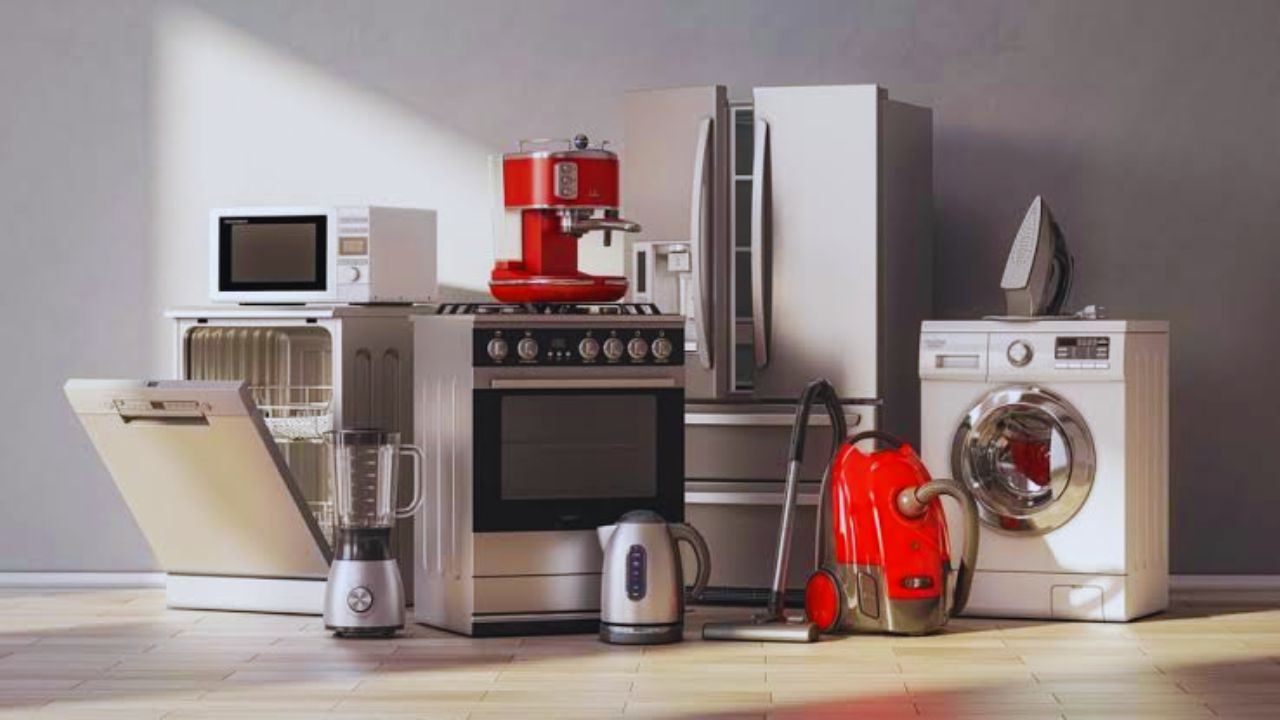
Do not compare a compact appliance with a large household machine simply because both perform a similar task. Capacity, energy use, storage needs, and service costs can differ sharply.
Put two or three products in the same practical group, then check the ownership details. This keeps like-for-like choices beside real-world limits, rather than rewarding the longest feature list.
Quality Appears in Daily Use
A polished surface or famous logo can suggest quality, but repeated handling exposes more useful clues. Look at hinges, seams, buttons, handles, charging ports, lids, and moving parts because they receive the most stress.
A product that feels solid but has no replacement parts can still be poor value. Good rankings consider construction details and repair options together, especially for items used several times weekly.
Materials Should Earn Their Cost
Better materials are not always necessary, but they matter when they affect comfort, safety, cleaning, or wear.
A pan needs a surface that suits your utensils and cooktop; a bottle needs a seal that stays secure in a bag; a chair needs fabric and foam that handle long sessions.
Check care instructions and likely wear points. This reveals practical durability before visual appeal makes the decision.
Good Design Reduces Friction
Quality also appears when you are tired or in a hurry. Clear controls, a stable base, a comfortable grip, and parts that come apart for cleaning can matter more than extra modes.
A product should not require a manual for its basic task. Give credit to easy handling and sensible layout, since these details often decide whether something stays in use or goes to the back of a cupboard.
Count Costs Beyond the Label
The sale price is only the first number. Filters, refills, replacement heads, batteries, subscriptions, cleaning products, repairs, and delivery can change the total cost of ownership.
A lower-priced item may still be sensible, but only when later needs are manageable. Rankings should place ongoing expenses next to the upfront cost so a discount does not hide an expensive pattern.
Support and Parts Change Value
Before buying, check warranty length, local repair access, manuals, and availability of common parts. A worn battery, brush roll, cracked lid, or damaged cable should not force you to replace the whole product.
That matters for tools used every day. An official page from Samsung can help confirm device support and accessories, while service details may show whether local support and replacement parts are realistic where you live.
A Brand Name Is Not a Model Check
A trusted company can still sell weak configurations, and a lesser-known brand can make one strong product. Check the exact model number, included accessories, materials, warranty terms, and version before relying on reputation.
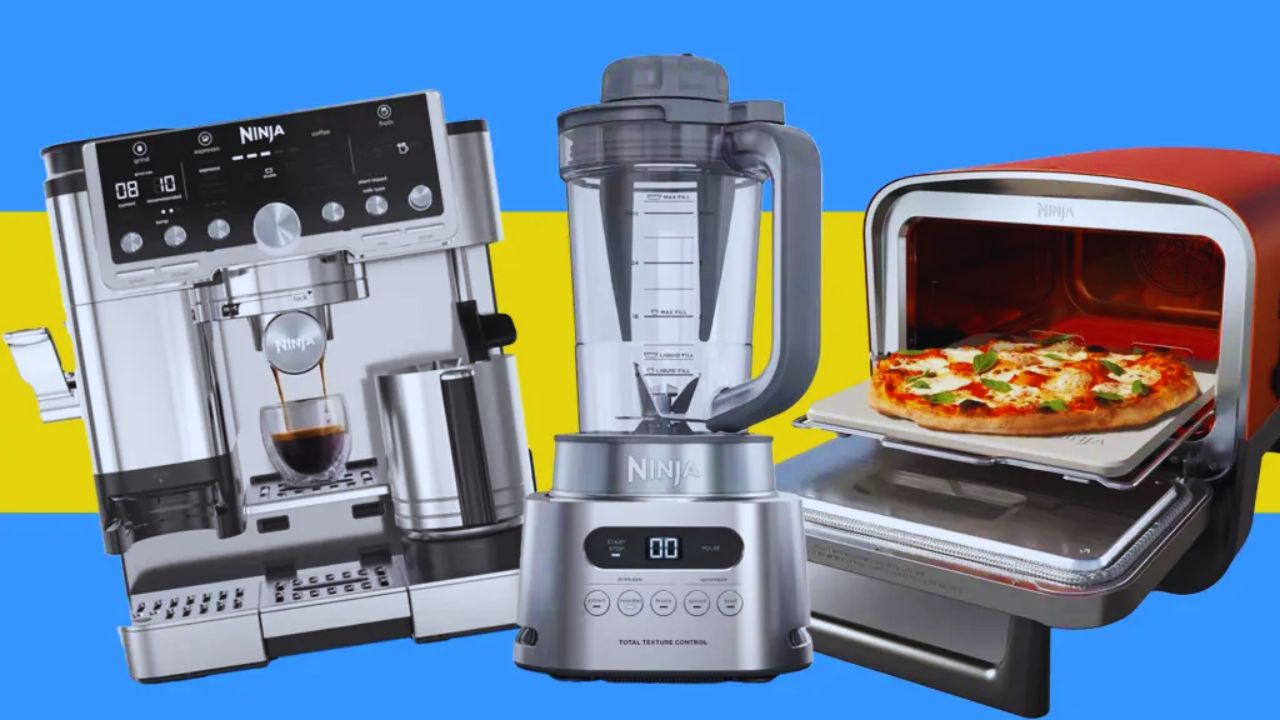
For kitchen appliances, Ninja is one official source for product categories and care information, but the useful choice still depends on capacity, storage, and cleaning. Put model-specific facts ahead of brand assumptions each time.
Use Evidence That Explains the Result
A ranking should show how its conclusions were reached. “Excellent quality” or “great value” mean little without a reason tied to testing, ownership, or cost.
Strong comparisons name what was checked and what trade-off remains. This makes ranking criteria visible and keeps personal preference from being presented as a universal result.
Find Patterns in Owner Feedback
A single bad review may describe shipping damage or an unusual fault, while enthusiastic feedback may come straight after delivery. Read enough comments to find patterns around battery decline, breakage, leaks, sound, service, or confusing setup.
Focus on reviews written after several months. That gives long-term feedback more weight than first impressions, which are easiest to collect.
Also Read: Best Products Ranked for Long-Term Use
Tests Need Context
Independent tests can be useful when they explain setup, criteria, and limitations.
A headphone test should describe noise and fit; a vacuum test should state surfaces and debris; a laptop test should mention brightness and workload.
Results matter more when the test resembles your routine. Look for clear methods and relevant conditions, not a score without explanation.
Make the Final Check Short
Once you have two or three options, stop adding products and compare the details that affect your life.
The aim is not a flawless item; it is one whose limits you can live with. Use this check to keep buying pressure from replacing practical judgment:
- Does it solve a task you handle often?
- Can you clean, charge, store, or maintain it easily?
- Are returns, parts, and warranty support available locally?
Choose Value You Can Keep
The best-quality product is not always the most expensive, and the lowest price is not automatically wasteful. A strong choice fits the task, survives ordinary use, and has costs you understand before paying.
Start with your routine, verify exact product details, and read enough evidence to see benefits and limits. It makes returns, repairs, and later replacements less likely to catch you unprepared during one busy month.
When daily ownership guides the decision, lasting value becomes easier to recognise without hype.