Bathroom cleaners can look interchangeable, yet their daily effort differs. It compares gel, tablets, and shower foam through real routines, not advertising claims.
It suits households wanting less work without fresh mess or unsafe shortcuts. The answer depends on bathroom surface, buildup, ventilation, and work you are willing to repeat.
Ease Starts With the Whole Cleaning Routine
Cleaning power is only part of a workable routine. The easier product balances application control, waiting, rinsing, and storage without extra work later. The same cleaner can feel simple in one bathroom and irritating in another.
Look at Application, Dwell Time, and Finish
Start with its path from cupboard to surface. Gel goes into the bowl, a tablet into the tank, and foam onto walls or tubs. Each changes contact with grime and overspray risk.
Count brushing, waiting, rinsing, and ventilation before calling anything easy. Slippery residue or strong fumes can make an effective product unpleasant in a poorly aired bathroom.
Read Labels Before Mixing Products
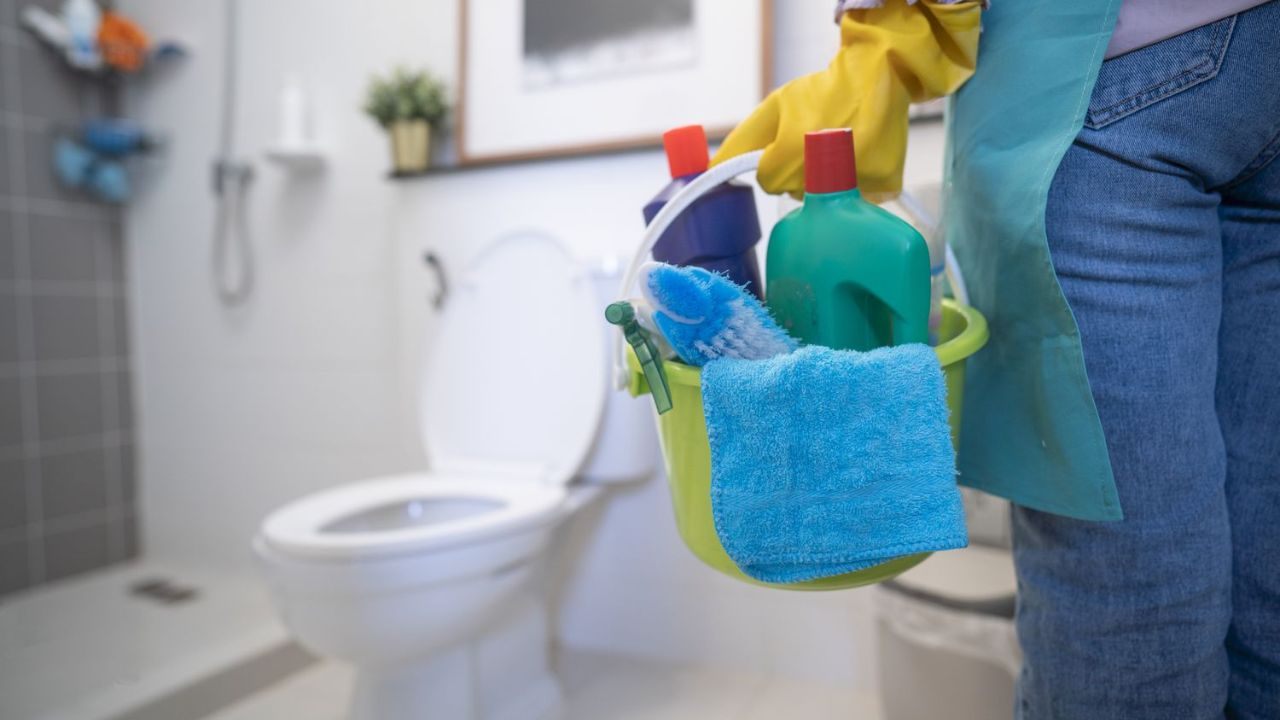
Ease should never outweigh label safety. Do not mix cleaners, especially products containing bleach or ammonia.
Follow directions for surface fit, contact time, and ventilation, especially around children, pets, and sensitive skin.
Use the label for the exact formula rather than assuming every cleaner from the same brand works identically. This one-minute check prevents chemical mistakes and protects finishes that may be damaged by an unsuitable formula.
Where Each Product Is Actually Easiest
These products are not direct substitutes, even though all belong in a bathroom-cleaning aisle.
Their best use cases depend on whether your regular problem is a toilet ring, between-cleaning freshness, or soap scum on large surfaces. Choosing the wrong format creates avoidable effort.
Lysol Gel Is Direct for Bowl Stains
The under-rim gel is easiest when the bowl itself needs visible attention. You can place it close to the stain, let it sit as directed, brush, and flush.
Its targeted coverage makes it more controlled than a spray, especially for people who do a quick weekly clean.
It does not remove the need for a brush when mineral rings or stubborn deposits are present. The tradeoff is hands-on work, so it is less appealing for anyone hoping to avoid bowl cleaning entirely.
Clorox Tablets Reduce Handling, Not Deep Cleaning
Automatic tablets are easiest for people who want background maintenance between scheduled cleanings. Once placed as directed, they can reduce the frequency of hands-on bowl treatment; they do not erase the need to inspect buildup.
Their usefulness depends on regular flushing, proper placement, and safe storage away from moisture and children.
They are less helpful where hard-water deposits form quickly or when the bowl already has visible staining. Think of them as a maintenance layer, not a replacement for cleaning.
Scrubbing Bubbles Foamer Speeds Shower Cleaning
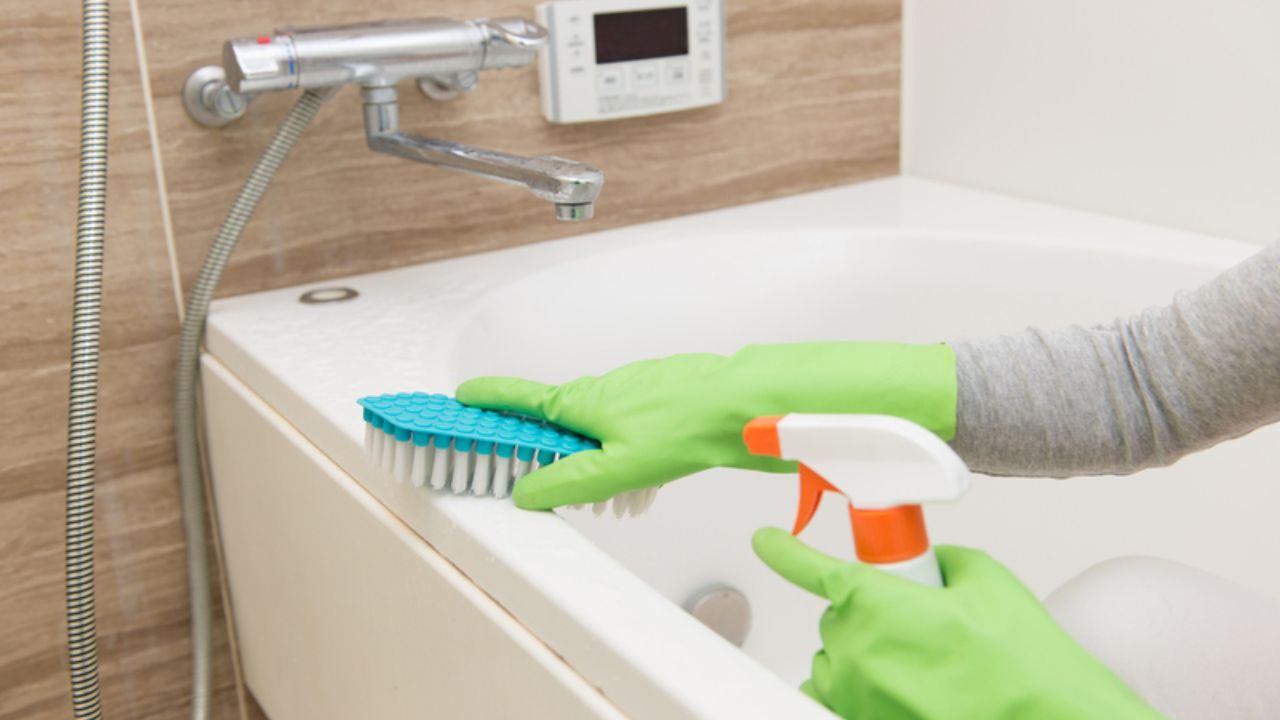
Foam spray is typically the easiest format for tubs, walls, and larger shower areas where a narrow nozzle would be slow. It puts visible coverage over a broad surface, making missed corners easier to see.
Yet the broad application can also reach floors, fixtures, or textiles, so aim carefully and follow the rinse directions.
This option is most convenient for light or routine soap scum, not for every heavy buildup. Its main compromise is follow-up rinsing, which can feel slower in a shower with weak water pressure.
Also Read: Best Products Ranked for Consistent Performance
Choose for the Job You Clean Most Often
Instead of asking which cleaner is best, ask which action appears most often in your week. A busy shared household may need regular maintenance and a dedicated bowl cleaner, while a renter may care most about a fast move-out refresh. That difference should shape the decision.
A Simple Routine Can Use More Than One Format
Most homes do not need a shelf full of similar formulas. A tablet can maintain the toilet between proper cleans, while a gel handles bowl stains and a foam product handles shower surfaces.
The goal is task matching, not buying every product in the aisle. Keep products in their original containers, note where each one can be used, and avoid combining them. That setup creates less confusion during a busy cleaning day.
Plan Around Your Bathroom’s Constraints
Ventilation, water hardness, storage, and the number of users all change the answer. A product with strong fragrance may be uncomfortable in a windowless bathroom, while a tablet can be inconvenient if you dislike opening the tank.
A shower foamer is useful only if you can rinse it away without leaving slippery residue. Where hard water is persistent, include extra brushing or a specific descaling step in your cleaning plan. The practical winner is the option that fits those conditions instead of fighting them.
Use a Five-Step Check Before You Buy
Before adding a product to your cart, make a small decision based on the cleaning job, not the label’s promises.
This five-point screen keeps the comparison practical and prevents an appealing format from becoming an unused bottle.
- Name your dirtiest surface
- Check dwell time first
- Confirm safe surface use
- Allow for ventilation needs
- Read storage directions first
Test the Routine Before Committing
If possible, test the cleaner during a normal weekly clean rather than on the dirtiest day of the year. Notice the time it takes to apply, wait, brush, rinse, and put away.
Check how your hands feel, whether the scent lingers, and whether you need a second product to finish.
A routine that feels acceptable once may be irritating when repeated every weekend. Give more weight to repeatable comfort than a dramatic first result.
Conclusion: The Easiest Cleaner Has Fewer Surprises
A toilet gel, automatic tablet, and shower foamer answer different cleaning problems, so none wins every bathroom.
Choose targeted gel for bowl stains, tablets for low-touch maintenance, and foam for quicker coverage on shower surfaces.
Read the label, follow safety directions, and make sure your pick suits the surfaces, ventilation, and cleanup you can manage. That small match between product and routine is what makes a bathroom cleaner feel easier over time.