
Shopping becomes calmer when every purchase has a place in a plan. An organized essential-product catalog compares daily reliability, storage, and replacement costs before buying.
It is not a list of fashionable upgrades or a reason to replace working items. It is a reusable record for basics that keep every room functional weekly.
Define What Deserves a Place
An essential item supports a recurring task, has a predictable place, and is worth maintaining. Start with routine needs before products that promise an occasional convenience. Use this five-point screen before an item enters the catalog:
- Name the repeated task
- Set a firm ceiling
- Measure the available space
- Check replacement supply access
- Record one accepted limit
Separate Core Items From Nice Extras
Think in terms of what fails when an item is missing. Core products make meals, laundry, hygiene, work, or basic safety harder when they disappear.
Nice extras may be enjoyable, but they should not compete with repeat-use basics for space or money.
Write a one-line job statement for every entry, such as “stores weekday leftovers” or “charges a work phone.” That clear purpose prevents duplicate tools with slightly different designs from filling the same drawer.
Set a Replacement Rule for Each Basic
Some essentials only matter after they are worn, empty, or obsolete. Record a replacement trigger instead of buying backups without a reason.
Examples include a damaged pan surface, a towel that no longer dries well, or a cable with unreliable charging.
Add expected replacement supplies, warranty terms, and the usual storage location. That replacement rule gives future purchases a practical starting point.
Make Kitchen Choices Around Real Meals
The kitchen often creates the most duplicate purchases because tools seem inexpensive one at a time. Organize it by meal workflow: preparation, cooking, storage, and cleanup. This makes counter space and cabinet capacity part of every choice.
Choose Cooking Tools for Repeated Tasks
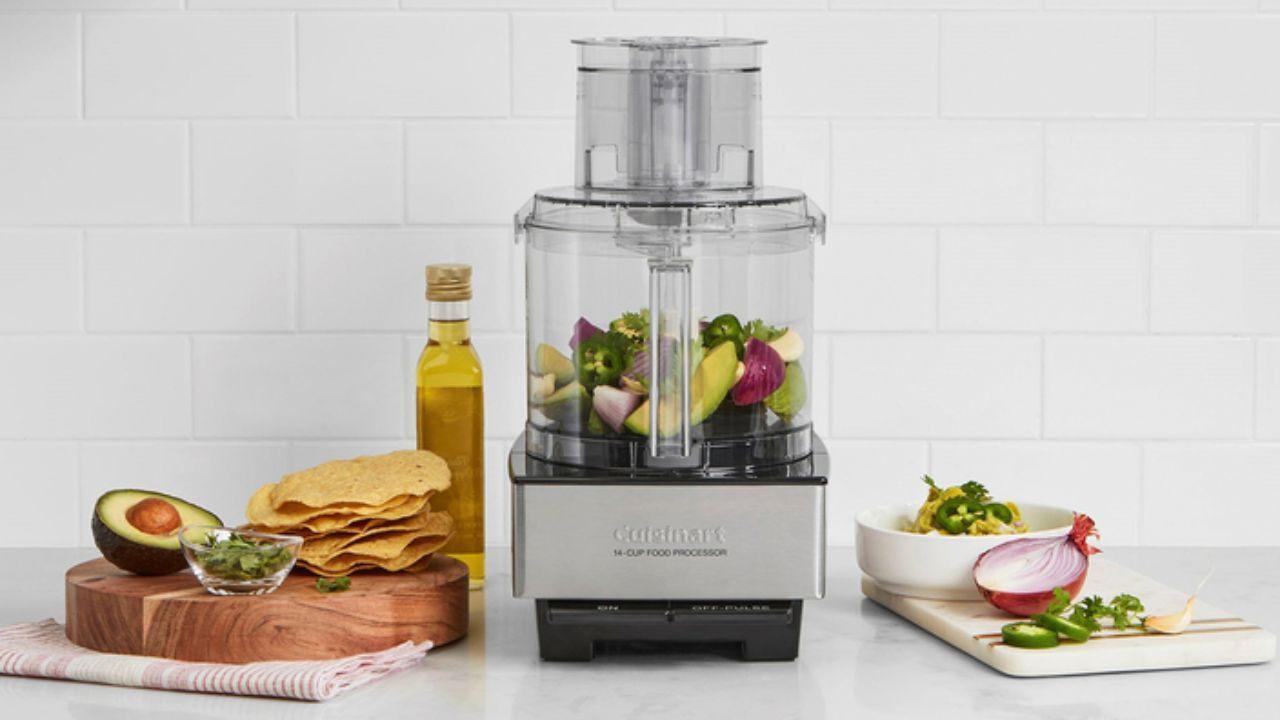
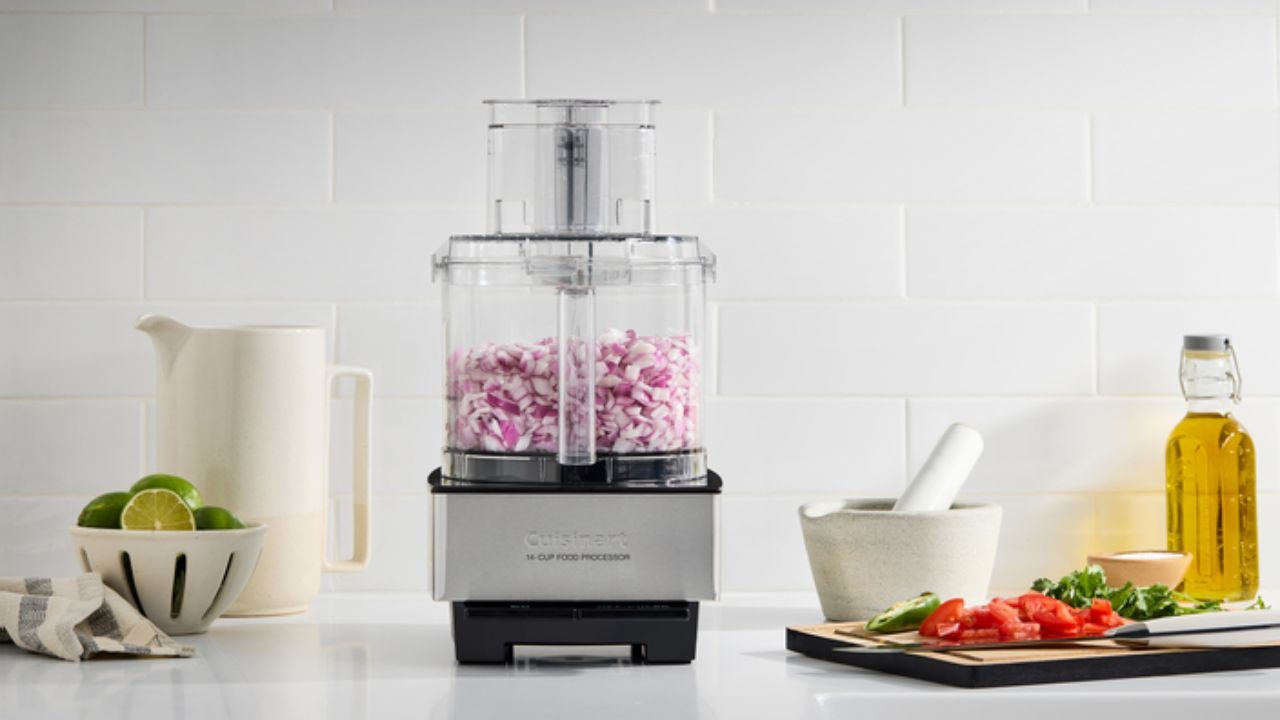
Begin with the pan, pot, knife, cutting board, tongs, and measures you reach for weekly. Check that each works with your heat source, recipes, grip strength, and cleaning routine. A specialty gadget needs a clear task it performs better than the core set.
For example, a blender is useful when smoothies, sauces, or soup preparation happen often, not only on a hopeful schedule. Prioritize versatile tools with simple cleanup before buying matching sets or novelty shapes.
Standardize Storage Before Adding More Containers
Storage decisions affect waste because mismatched lids and crowded shelves make leftovers hard to use. Choose one or two container families whose sizes work in your refrigerator, freezer, lunch routine, and dishwasher.
Record which lids fit which bases and where replacement pieces can be found. Keep pantry containers only for foods you buy frequently enough to refill. This standard storage system reduces duplicate buying and makes meal preparation easier.
Make Bedroom and Laundry Systems Easier to Keep
Personal-space essentials should improve comfort without creating complicated care. Focus on washable fabrics, easy storage, and items that protect the clothes and bedding you already own. A smaller system is usually easier to replenish and maintain.
Choose Bedding for Your Actual Care Routine
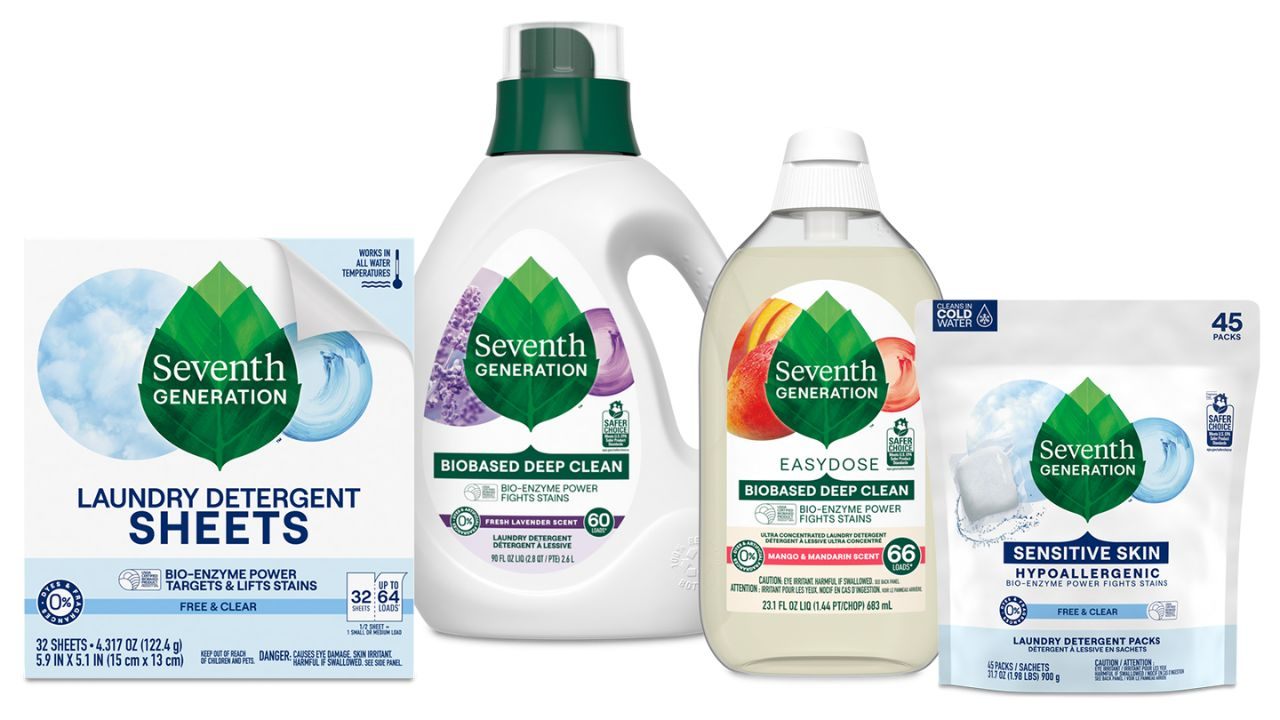
Start with the mattress, pillow, sheets, blanket, and laundry routine you already use. Before adding another set, check climate, wash frequency, drying time, and storage room.
A more expensive fabric is not automatically practical when care instructions do not fit your schedule. Keep a note on size, material preference, and the date each item entered regular use. That care history helps you replace worn textiles before comfort falls.
Keep Bathroom and Health Basics Visible
Bathroom, health, and cleaning basics should be visible, easy to restock, and stored safely. Build this section around hygiene routines and short cleaning tasks, not a crowded collection of specialized bottles. Keep sensitive products away from heat, moisture, and children where applicable.
Build a Basic Preparedness and First-Aid Section
First-aid, cleaning, and home-health supplies should be easy to find before they are urgently needed. Keep a simple, labeled kit and replace used or expired contents according to their packaging.
Check the official recalls and safety warnings page before keeping a newly purchased household product in regular use.
Do not treat a catalog as medical advice, and contact an appropriate professional for health questions. This preparedness check supports safer routines without turning supplies into clutter.
Also Read: Complete Catalog of Products by Category
Cover Work, Repair, and Emergency Needs
Work, charging, repair, and emergency tools belong together because their absence causes costly interruptions.
List shared household gear separately from personal items so you can see what is truly missing. Keep records of model numbers, cables, and warranty details near the relevant entry.
Keep Work and Charging Gear Organized
A practical work section can include charging cables, a power strip, a backup battery, basic lighting, and a small household tool kit.
Add equipment only after confirming port types, capacity, and the task it must support. Store spare cables and adapters together, labeled by connection type rather than device brand.
Check surge-protection instructions and replace damaged cords promptly. This organized access reduces panic purchases when work or home equipment fails.
Plan Emergency Supplies for Your Household
Emergency items should be stored in one accessible place and reviewed for the risks most relevant to your location.
The emergency kit guidance from Ready.gov is a useful starting point for adapting supplies to a household plan. Include only items you know how to use and can maintain.
Record expiration dates, battery checks, and the location of important documents outside the kit. A maintained emergency section provides calm preparation, not a reason to accumulate random gear.
Conclusion: Let the Catalog Evolve
An essentials catalog works when it is short enough to review and specific enough to guide a purchase. Keep daily use, replacement cost, and storage limits visible as you update it.
Add products slowly, remove entries that do not earn their place, and keep old notes when they explain a better decision. Over time, the catalog becomes a household reference that reduces waste, repeat research, and rushed household shopping.