
A comparison catalog should narrow a decision, not create a wall of winners. Separate products by the job they perform and explain the trade-offs after delivery.
This turns a curated shortlist into something readers can use with their budget, devices, and daily habits. Because prices and releases change, verify availability before buying.
Treat the Catalog as a Shortlist
A useful catalog groups products that solve different problems instead of forcing them into one ranking. Phones, watches, laptops, earbuds, robot vacuums, and televisions need different standards.
Give each pick a role in a real routine and name a condition that could limit the final choice. This makes the page useful without suggesting one item works for everyone.
Start With the Job, Not the Winner
Name the problem first: dependable travel photos, work away from a desk, quieter commutes, or easier floor upkeep. Then compare only categories that can address it.
Write down two non-negotiable needs and one acceptable compromise. This stops a popular model from distracting you from the task behind your search.
Keep Three Checks Beside Each Pick
Every recommendation needs a reminder that ownership is more than a launch price. Put these checks beside the budget limit and the daily routine:
- Confirm local price, warranty, and return terms.
- Check compatibility with devices and accessories.
- Compare size, charging, storage, and ongoing costs.
Separate Mobile Choices by Ecosystem
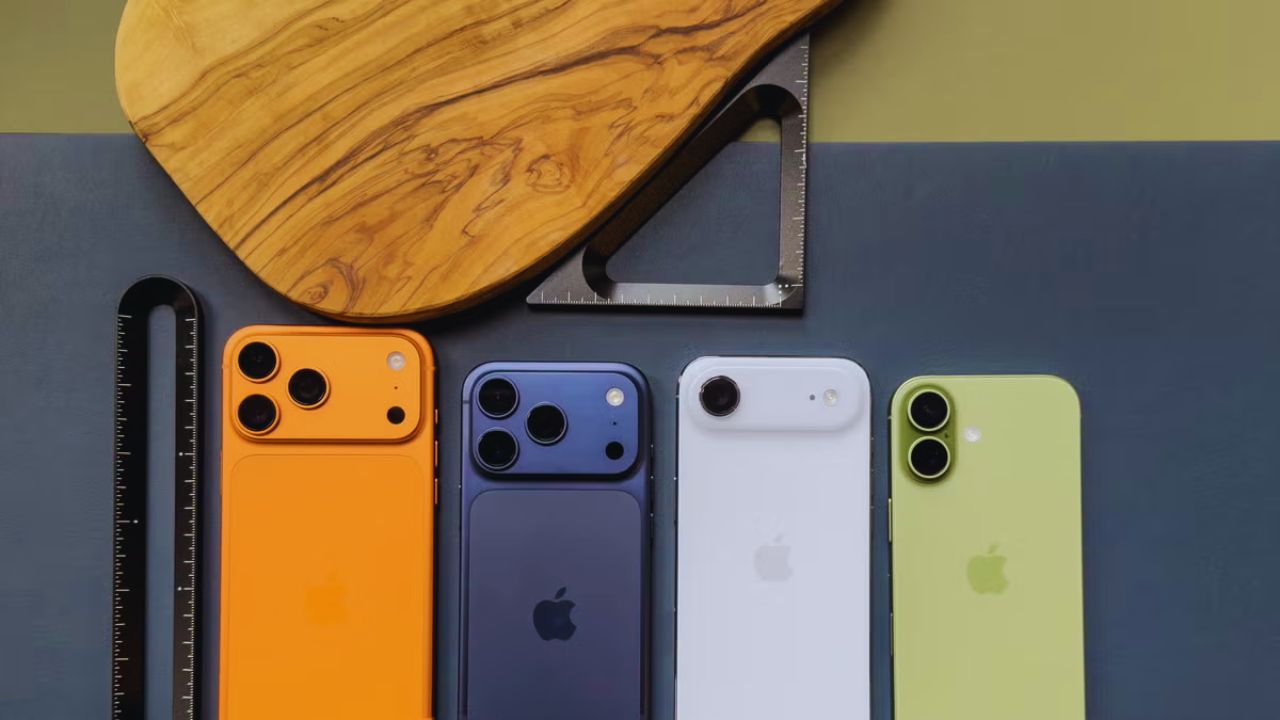
Mobile products depend on the devices, subscriptions, and services someone already uses. A phone comparison is clearer when Android, iPhone, and smartwatch options follow separate paths.
This prevents an ecosystem mismatch from becoming a daily annoyance after checkout. It also makes camera or design comparisons more meaningful.
Compare Google Pixel and iPhone Paths
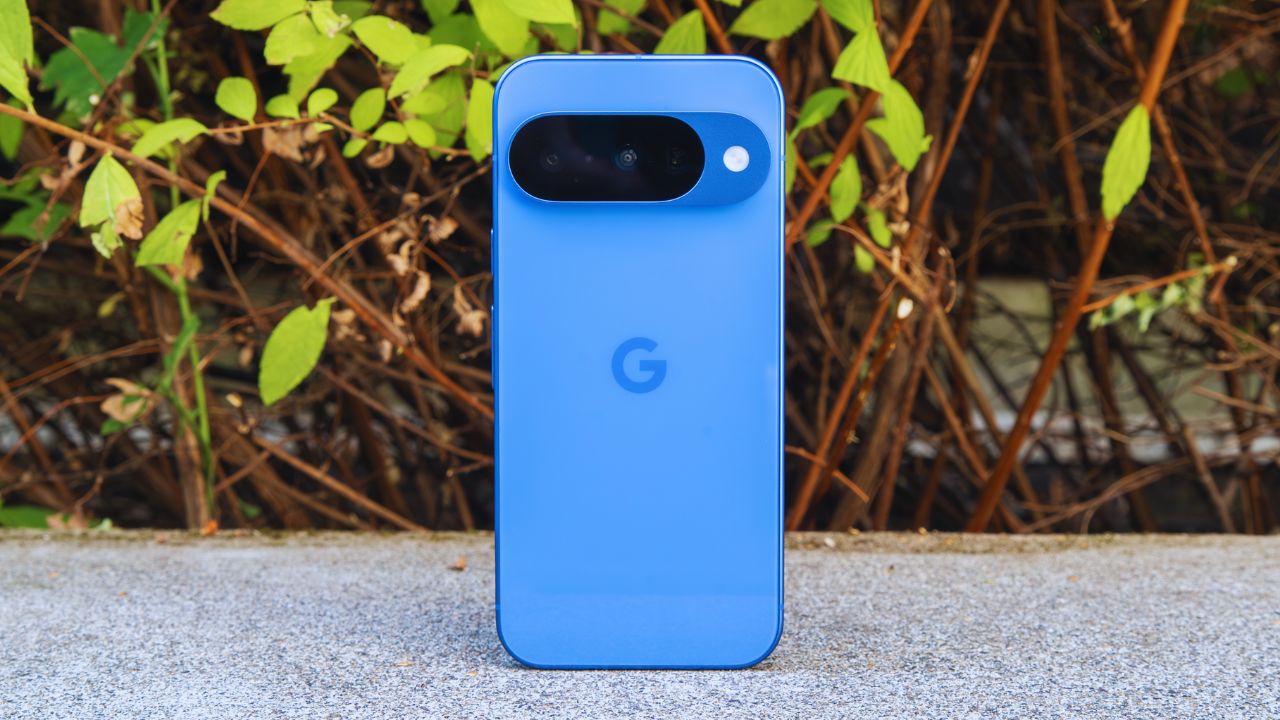
Place Google Pixel 10 Pro and iPhone 17 Pro in separate starting paths, not as universal rivals. Check Google and Apple for current families, storage versions, local availability, and purchase terms.
The better route depends on messages, shared devices, subscriptions, and apps. Prioritize ecosystem fit and your existing setup, not a headline ranking.
Give Smartwatches Their Own Job
A smartwatch belongs in the shortlist when it solves a recurring need: notifications, workouts, navigation, or safety. Apple Watch Series 11 makes sense with an iPhone, while Android users should compare watches separately.
Charging, size, comfort, health tools, and subscription requirements matter more than style. Describe it as a wrist tool with platform limits, not an automatic accessory.
Match Work Devices to the Workflow
Laptop and tablet lists weaken when they mix writing, coding, design, gaming, and travel under one “best” label.
MacBook Air M4 may suit productivity, while Dell 14 Premium may fit people who need Windows-only software.
Neither helps without the reader’s files and workflow. Begin with required software and portable comfort, then compare performance.
Prioritize Comfort Over Benchmark Numbers
Long sessions expose concerns a benchmark cannot: keyboard feel, screen brightness, ports, webcam quality, charging, and battery life.
For school or office work, explain what the device handles comfortably and what may require an adapter, external display, or charger.
This shows the daily work feel more clearly than small speed differences. It also exposes practical compromises before purchase.
Avoid Calling a Tablet a Laptop
An iPad Air can suit notes, travel, calls, and light creative work, but may not replace a laptop for every workflow. Check typing, file management, monitor support, software, and keyboard or stylus cost.
Say when it works as a second device or travel companion. That gives it an honest role and prevents replacement assumptions that create frustration.
Divide Audio by Listening Situation
Audio comparisons work better when earbuds and over-ear headphones sit in separate branches. Earbuds suit commuting, workouts, and small bags; headphones may be better for flights or long work blocks.
Sony WF-1000XM5 earbuds and Sony WH-1000XM6 headphones solve different listening problems, even in one catalog. Keep sound, calls, fit, and noise control tied to the listening situation.
Do Not Buy Duplicate Listening Gear
Strong reviews can make people buy earbuds and headphones, then leave one pair unused. Ask whether you need pocketable travel gear, all-day comfort for focused work, or both.
Show this trade-off beside the recommendation instead of treating each item as an upgrade. It protects the available budget and prevents duplicate purchases driven by excitement.
Keep Phone-Specific Benefits Separate
AirPods Pro 3 may appeal to iPhone users who want familiar pairing and device switching, while Pixel Buds may suit people using Google services.
Those benefits should not hide fit, microphone quality, replacement-tip costs, or battery aging. Explain which advantages depend on the phone and which work elsewhere.
This keeps the comparison specific to ownership and reduces feature confusion during rushed decisions.
Also Read: Product Rankings Based on Everyday Performance
Slow Down for Home Products
Home products need slower comparison because they occupy space, require upkeep, and outlast accessories. A robot vacuum, television, coffee maker, or blender should be judged by floors, light, serving size, cleaning, and household habits.
Roborock Saros 10R, Samsung S95F OLED, Technivorm Moccamaster, and Vitamix Explorian E310 are examples when the home use case is clear. Name limits at home, not just positives.
Compare Household Tasks, Not Labels
A robot vacuum may reduce routine sweeping but will not replace a deeper clean on every surface. A bright television may help in a sunny room, while another display may suit a darker space.
A coffee maker should match the cups you prepare, and a blender must fit storage and cleaning tolerance. Use specific household tasks rather than “home essential.” This prevents a list from becoming a personal recommendation.
Count the Work After Delivery
Every home product brings upkeep: robot vacuums need brush cleaning, bins, filters, and obstacle checks; televisions need wall space, cables, and viewing distance; coffee makers and blenders need washing.
State these demands beside the recommendation rather than hiding them below benefits. That lets readers weigh ongoing effort against weekly convenience before another appliance becomes a chore.
Turn a Shortlist Into a Final Choice
A practical catalog does not demand trust in a winner without context. It gives each recommendation a job, shows the conditions that shape the fit, and names a reason to step down, upgrade, or skip it.
Before buying, verify the current deal, included accessories, and return terms. That turns a shortlist into a choice that still makes sense after the excitement fades.